
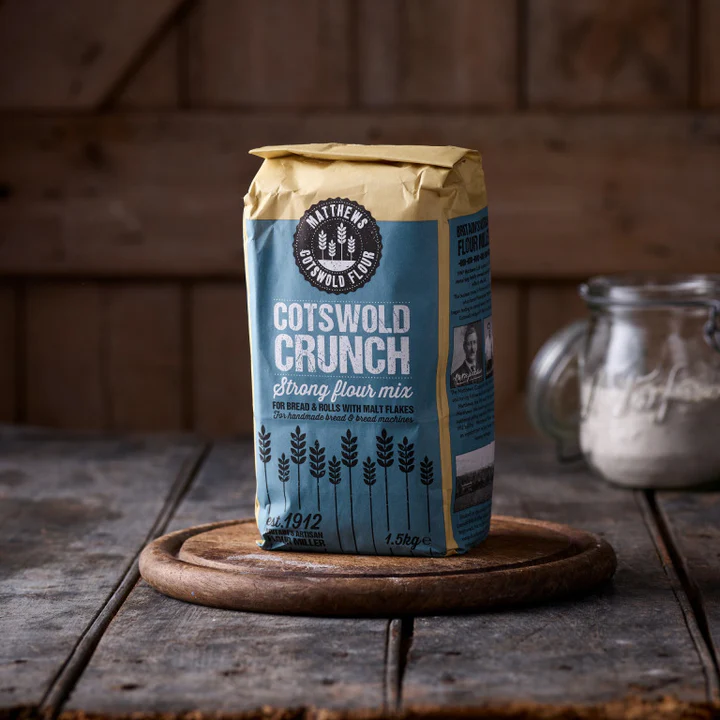
In the world of bread making, malt flour stands out as a unique ingredient with distinct properties that set it apart from regular flour. This type of flour is obtained through a physical and natural process that involves germination, drying, and grinding of grains. The resulting product contains enhanced enzymes, particularly alpha amylase and beta amylase, which are essential for improving yeast fermentation in baked goods.
What is Malt Flour?
Malt flour, also known as malted flour or malt diastatico, is a type of flour that has been treated with germination to increase its enzyme content. This process involves soaking the grains in water to activate enzymes, which then break down starches into fermentable sugars. The resulting product is a coarse, dark-colored flour with a rich flavor and aroma.
Why Use Malt Flour?
Malt flour is used to enhance the fermentation process in bread making, allowing for longer rising times and a more complex flavor profile. The enzymes present in malt flour break down starches into sugars, providing energy for yeast growth and activity. This results in a more flavorful and aromatic final product.
What is Malt Flour Made From?
Malt flour can be made from various grains, including barley, wheat, oats, rye, and others. However, the most common type of malt flour is derived from barley. The use of different grains can affect the nutritional content and flavor profile of the final product.
- Barley: The most commonly used grain for producing malt flour, barley contains a high concentration of enzymes that break down starches into sugars.
- Wheat: Wheat-based malt flour has a lighter color and milder flavor than barley-based malt flour.
- Oats: Oat-based malt flour is often used in gluten-free baking due to its lower gluten content.
Malting Process: A Closer Look
The malting process involves germinating the grain in a controlled environment, allowing it to sprout and develop enzymes. This process helps break down starches into fermentable sugars, which are then dried and ground into flour.
- Germination: The grains are soaked in water to activate enzymes, causing them to sprout and grow.
- Drying: The germinated grains are dried to stop the growth of the sprouts and preserve the enzymes.
- Grinding: The dried grains are ground into flour using a mill or grinder.
Enzymes: The Key to Malting
Enzymes play a crucial role in the malting process, particularly alpha amylase and beta amylase. These enzymes break down starches into simple sugars, providing energy for yeast fermentation. The activation of these enzymes is essential for producing malt flour with its characteristic properties.
- Alpha Amylase: This enzyme breaks down starches into longer-chain glucose molecules, which are then fermented by yeast.
- Beta Amylase: This enzyme breaks down starches into shorter-chain glucose molecules, which are then fermented by yeast.
Using Malt Flour: Tips and Tricks
When using malt flour, it’s essential to follow the recommended dosage. A general rule of thumb is to use 1-2% malt flour by weight of the total flour blend. This allows for optimal fermentation without overpowering other ingredients in the dough.
- Dosage Guidelines: Use 1-2% malt flour by weight of the total flour blend to achieve optimal fermentation.
- Balancing Malt Flour: Balance the amount of malt flour used with the total weight of the flour blend to avoid an unpleasant texture or flavor.
Potential Risks of Overusing Malt Flour
Overusing malt flour can result in a final product with an unpleasant texture, becoming too sticky or soggy. To avoid this, it’s crucial to balance the amount of malt flour used with the total weight of the flour blend.
- Texture Issues: Excessive use of malt flour can lead to a final product with an unpleasant texture.
- Flavor Imbalance: Overusing malt flour can also result in an unbalanced flavor profile.
Alternative Options for Substituting Malt Flour
While some may recommend using alternative sweeteners like sugar or honey to replace malt flour, this is not recommended for bread making, especially for long-fermenting products. The enzymes present in malt flour are essential for producing complex flavors and textures.
- Sugar: Refined sugar does not contain enzymes that break down starches into fermentable sugars.
- Honey: While honey contains some enzymes, it is not a suitable substitute for malt flour due to its lower enzyme content.
Where to Find Malt Flour
Malt flour can be found in specialty stores, bakeries, and online retailers. A high-quality kilogram of malt flour is available on Amazon for around €13.36 with free shipping. To ensure optimal quality and performance, it’s recommended to use this type of flour sparingly.
- Online Retailers: Online retailers like Amazon offer a wide selection of high-quality malt flours.
- Specialty Stores: Specialty stores that cater to bakers and pastry chefs often carry a variety of malt flours.
Balancing Malt Flour: Dosage Guidelines
To maintain a balanced flavor and texture, it’s essential to respect the proportions outlined in the previous section. Using excessive amounts of malt flour can compromise the final product’s quality, resulting in an unpleasant mouthfeel or aroma.
- Dosage Guidelines: Use 1-2% malt flour by weight of the total flour blend to achieve optimal fermentation.
- Balancing Malt Flour: Balance the amount of malt flour used with the total weight of the flour blend to avoid an unpleasant texture or flavor.
Conclusion
Malt flour is a versatile ingredient that plays a vital role in bread making, particularly for long-fermenting products. By understanding its properties and uses, bakers can create more complex flavors and textures. Remember to use malt flour sparingly and balance it with other ingredients to achieve optimal results.
FAQs
- What is the difference between malt flour and regular flour?
Malt flour has a higher enzyme content than regular flour, making it ideal for bread making and long-fermenting products. - Can I use malt flour in place of sugar in baking?
No, as malt flour contains enzymes that break down starches into fermentable sugars, not simple sugars like those found in refined sugar. - How do I store malt flour to maintain its quality?
Store malt flour in an airtight container in a cool, dry place to preserve its flavor and nutritional properties. - Can I use malt flour in cakes or pastries?
While malt flour can be used in some baked goods, it’s not ideal for delicate desserts like cakes or pastries due to its coarser texture and stronger flavor profile. - What is the recommended dosage of malt flour for bread making?
Use 1-2% malt flour by weight of the total flour blend to achieve optimal fermentation without overpowering other ingredients in the dough. - Can I substitute malt flour with other types of flour?
No, as malt flour has a unique enzyme profile that cannot be replicated by other types of flour. Substituting malt flour may result in an inferior product. - How do I determine if my yeast is active and healthy?
Check for signs of fermentation activity, such as bubbles or foam formation on the surface of the dough, to ensure your yeast is active and healthy. - Can I use malt flour in gluten-free baking?
Malt flour can be used in some gluten-free recipes, but it’s essential to note that the absence of gluten may affect the final product’s texture and structure.
Malt flour is a valuable ingredient for bread making and long-fermenting products. Its unique properties and uses make it an excellent choice for bakers looking to create complex flavors and textures in their final products.


