
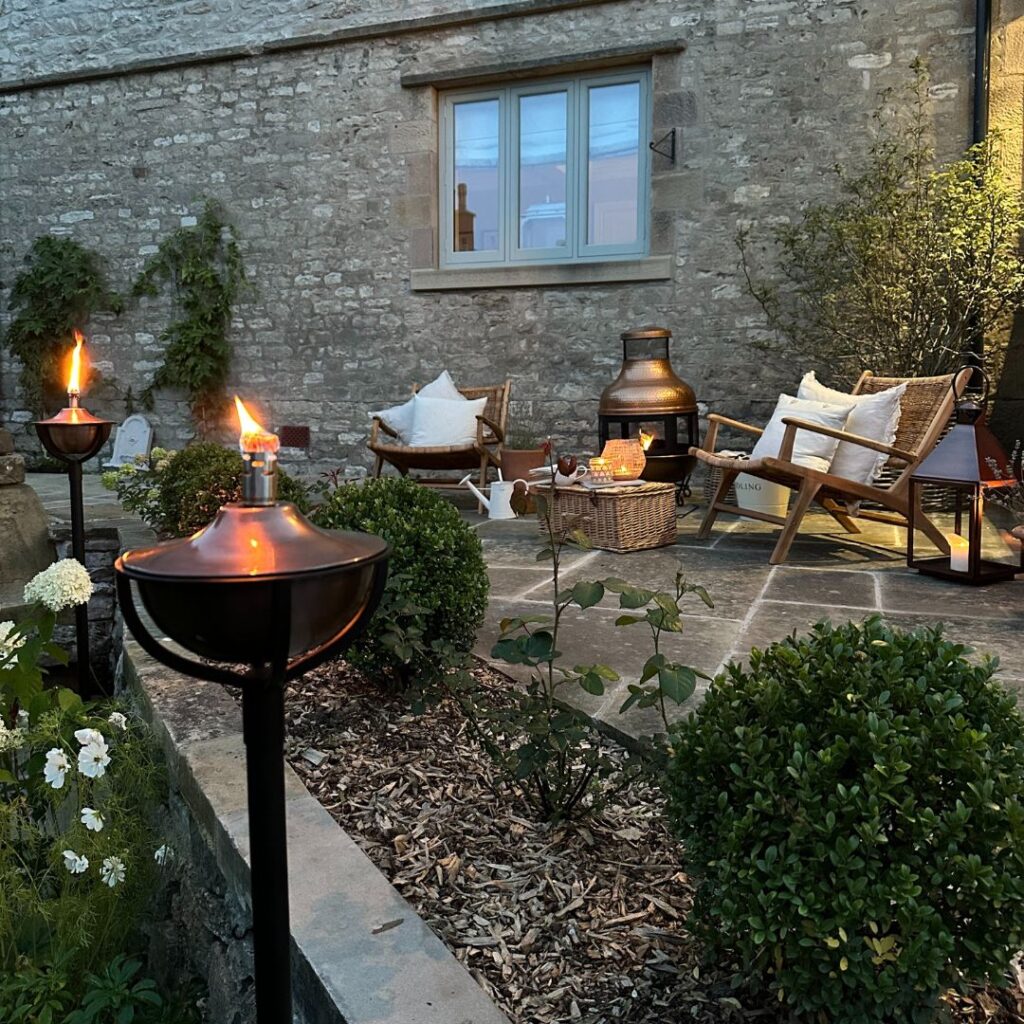
Are you tired of illuminating your garden with traditional outdoor lights that require an electrical connection? Do you want to create a beautiful and inviting space without the hassle of extending your electricity grid? Look no further than solar-powered lighting solutions. In this article, we will explore the world of solar lighting, discuss its benefits, and provide tips on how to choose the best option for your garden.
The Problem with Traditional Outdoor Lighting
Traditional outdoor lights rely on an electrical connection to operate, which can be a significant drawback if you don’t have access to electricity or want to avoid running cables through your garden. Moreover, installing traditional outdoor lights often requires digging holes and laying out cables, which can be time-consuming and expensive.
Solar Energy: The Solution
Solar energy is a game-changer for those who want to illuminate their gardens without relying on electricity. By harnessing the power of the sun, solar-powered lighting solutions offer a convenient, eco-friendly, and cost-effective alternative. Solar panels convert sunlight into electricity, which powers LED lights or other devices.
How Solar Lighting Works
Solar lighting systems typically consist of three main components:
- Solar Panels: These capture sunlight and convert it into electricity.
- Battery: The battery stores excess energy generated by the solar panels during the day for use at night or on cloudy days.
- LED Lights: LED lights are powered by the stored energy in the battery, providing light to your garden.
Benefits of Solar Lighting
Solar lighting offers several benefits, including:
- Energy Efficiency: Solar-powered lights use renewable energy and reduce your reliance on non-renewable sources.
- Cost Savings: While the initial investment may be higher, solar lighting can save you money in the long run by reducing electricity bills.
- Low Maintenance: Solar panels require minimal maintenance, as they are designed to withstand various weather conditions.
Choosing the Right Solar Lighting Solution
With so many options available, choosing the right solar lighting solution can be overwhelming. Here are some factors to consider:
- Power Output: Consider how much light you need and choose a system that provides sufficient power.
- Battery Size: Ensure the battery size is suitable for your needs, taking into account factors like climate, usage patterns, and desired runtime.
Popular Solar Lighting Options
Some popular solar lighting options include:
- Solar-Powered Pathway Lights: These lights are designed to illuminate pathways and walkways, providing a warm and inviting ambiance.
- Solar-Powered Spotlights: These lights are perfect for highlighting specific features in your garden, such as statues, waterfalls, or fire pits.
- Solar-Powered String Lights: These lights add a magical touch to your garden, creating a whimsical atmosphere that’s perfect for outdoor entertaining.
Considerations and Factors to Keep in Mind
Before making a final decision, consider the following factors:
- Climate: If you live in an area with frequent cloud cover or low sunlight, choose a solar lighting system that can handle these conditions.
- Usage Patterns: Consider how often you’ll be using your outdoor space and choose a system that meets your needs.
- Durability: Choose a high-quality solar panel and battery to ensure they last for years to come.
Tips for Installing Solar Lighting
Installing solar lighting is easier than ever, thanks to advancements in technology and design. Here are some tips to keep in mind:
- Measure Your Space: Measure your garden or outdoor space to determine the right size of solar panel and battery.
- Choose a Suitable Mounting System: Choose a mounting system that can withstand wind, rain, and snow.
- Consider Power Outages: Consider how you’ll handle power outages and choose a system with backup capabilities.
Common Solar Lighting Questions
Here are some common questions about solar lighting:
- How long does it take for solar panels to charge?
- It takes around 6-8 hours for solar panels to fully charge during peak sunlight hours (10am-4pm).
- Can I use solar-powered lights in areas with low sunlight?
- While solar-powered lights are designed to work with sunlight, they may not perform optimally in areas with low sunlight or frequent cloud cover.
- How long do solar batteries last?
- Solar battery lifespan varies depending on usage patterns, climate, and quality of the battery. On average, solar batteries can last for 5-10 years before needing replacement.
- Can I connect multiple solar-powered lights to a single solar panel?
- Yes, but ensure that each light is designed to work with a specific voltage rating and follow proper connection procedures to avoid damage or safety risks.
Solar Lighting in Different Environments
Solar lighting can be used in various environments, including:
- Residential Gardens: Solar-powered lights are perfect for residential gardens, providing a warm and inviting ambiance.
- Commercial Properties: Solar-powered lights can add value to commercial properties by creating a welcoming atmosphere.
- Outdoor Events: Solar-powered lights are ideal for outdoor events, such as weddings and parties.
Conclusion
Solar lighting is an excellent solution for those who want to illuminate their gardens without relying on electricity. With its many benefits and advantages, solar-powered lighting solutions are becoming increasingly popular. By understanding how solar lighting works, choosing the right system for your needs, and selecting from a variety of options, you can create a beautiful and inviting outdoor space that’s both functional and eco-friendly.
FAQs
- What is the average cost of a solar-powered pathway light?
- The average cost of a solar-powered pathway light ranges from $50 to $200, depending on the brand, quality, and features.
- How long does it take for solar panels to charge?
- It takes around 6-8 hours for solar panels to fully charge during peak sunlight hours (10am-4pm).
- Can I use solar-powered lights in areas with low sunlight?
- While solar-powered lights are designed to work with sunlight, they may not perform optimally in areas with low sunlight or frequent cloud cover.
- How long do solar batteries last?
- Solar battery lifespan varies depending on usage patterns, climate, and quality of the battery. On average, solar batteries can last for 5-10 years before needing replacement.
-
Can I connect multiple solar-powered lights to a single solar panel?
- Yes, but ensure that each light is designed to work with a specific voltage rating and follow proper connection procedures to avoid damage or safety risks.
-
How long does it take for solar panels to charge?
- It takes around 6-8 hours for solar panels to fully charge during peak sunlight hours (10am-4pm).
-
Can I use solar-powered lights in areas with low sunlight?
- While solar-powered lights are designed to work with sunlight, they may not perform optimally in areas with low sunlight or frequent cloud cover.
-
How long do solar batteries last?
- Solar battery lifespan varies depending on usage patterns, climate, and quality of the battery. On average, solar batteries can last for 5-10 years before needing replacement.
-
Can I connect multiple solar-powered lights to a single solar panel?
- Yes, but ensure that each light is designed to work with a specific voltage rating and follow proper connection procedures to avoid damage or safety risks.


