
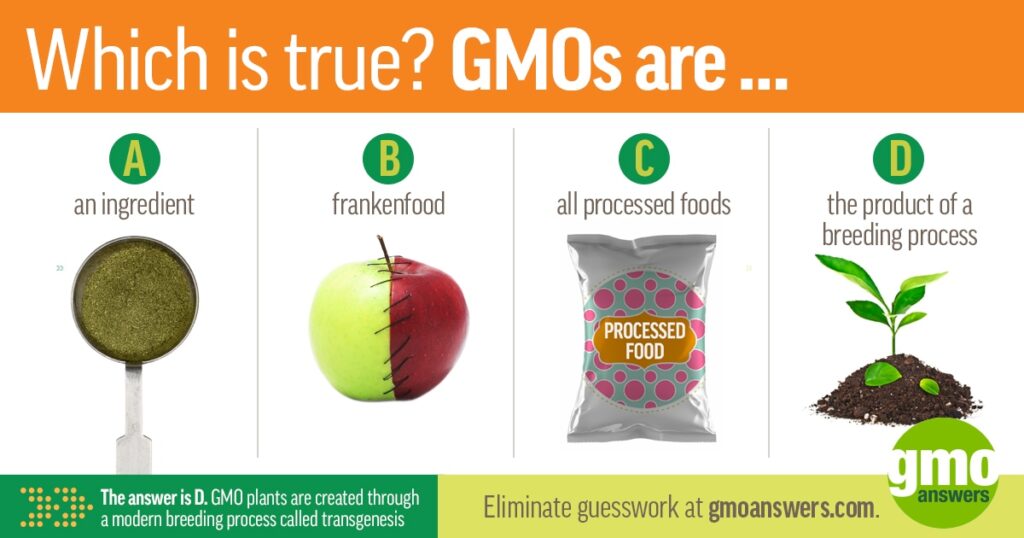
Introduction to the Controversy
The debate between genetically modified organisms (GMOs) and organic farming is a contentious issue that sparks intense discussions. It’s essential to acknowledge the complexity of this topic, as it involves weighing the benefits and drawbacks of both approaches. By exploring the historical context, scientific insights, and cultural nuances surrounding GMOs, we can gain a deeper understanding of this pressing concern.
The Need for Information
A crucial step in addressing the GMO debate is seeking information and avoiding misconceptions. Without a solid grasp of the facts, it’s easy to fall into pitfalls of misinformation or preconceived notions. The lack of knowledge can lead to flawed decision-making, making it challenging to navigate this complex issue.
Historical Context: Ancient Genetic Modification
Genetic modification has been practiced for over 10,000 years, with evidence suggesting that ancient civilizations intentionally altered plant species to enhance their nutritional value or disease resistance. For example, the domestication of wheat and maize in the Fertile Crescent around 9,000 years ago involved selective breeding to improve crop yields.
The Rise of Modern Agricultural Practices
With the advent of modern agricultural practices, including the use of pesticides, herbicides, and fertilizers, crop yields have increased significantly. This reliance on these chemicals has led to improved food production, but also poses environmental concerns such as soil degradation, water pollution, and loss of biodiversity.
The Emergence of GMOs
Genetic modification technology emerged in the 1990s, allowing scientists to introduce specific genes into crops to enhance their resistance to pests and diseases. The development of GMOs has led to improved crop yields, reduced pesticide use, and enhanced food security. However, this approach also raises concerns about the potential environmental impact and concentration of corporate power in the agricultural sector.
Expert Insights: Antonio Pascale
Antonio Pascale, an agronomist and TV personality, delivered a provocative yet insightful presentation at the “La Scienza in Campo” conclave. He posited that GMOs are not inherently sinister entities but rather a tool that has enabled humanity to improve crop yields and food security over the centuries.
“I believe we’ve been misinformed about the risks associated with GMOs,” Pascale said. “While there may be some concerns, these can be mitigated through careful regulation, oversight, and research.”
The Science Behind GMOs
GMOs work by introducing specific genes into crops to enhance their resistance to pests and diseases. This involves using biotechnology to modify the genetic code of an organism, creating a new crop variety that is more resilient and productive.
While some critics argue that GMOs are untested and pose unknown risks, many experts agree that the scientific consensus is clear: GMOs can improve crop yields, reduce pesticide use, and enhance food security.
The Role of Bt Corn
Bt corn is one of the most widely grown GMO crops globally. This variety contains a toxin produced by the bacterium Bacillus thuringiensis (Bt), which kills certain pests that damage crops. Bt corn has been shown to reduce pesticide use and improve crop yields, making it an attractive option for farmers.
However, some critics argue that Bt corn can harm beneficial insects, such as bees and butterflies, which are essential pollinators. While this concern is legitimate, many experts agree that the risks associated with Bt corn can be mitigated through careful regulation and monitoring.
Organic Farming: A Different Approach
Proponents of organic farming advocate for a more traditional approach that emphasizes natural methods and minimal intervention. Organic farming often relies on crop rotation, composting, and integrated pest management (IPM) techniques to promote soil health and biodiversity.
While this approach may offer certain benefits, such as improved soil fertility and reduced pesticide use, it also presents its own set of challenges, including reduced yields and increased labor requirements.
Criticisms and Concerns
Critics of GMOs often point to concerns about their potential environmental impact and the concentration of corporate power in the agricultural sector. These concerns are legitimate, but they must be balanced against the benefits of GMOs, such as improved crop yields and enhanced food security.
Some critics also argue that GMOs can lead to the creation of “superweeds” and “superpests,” which can become resistant to pesticides and other control measures. While this concern is real, many experts agree that these risks can be mitigated through careful regulation and research.
Conclusion: A Nuanced Approach
The biology vs GMO debate is complex and multifaceted, requiring a nuanced understanding of the various perspectives involved. By acknowledging the historical context, scientific insights, and cultural nuances surrounding GMOs, we can begin to develop a more informed and balanced approach to sustainable food production.
FAQs
- What are the primary concerns surrounding GMOs?
GMOs have been associated with environmental and health risks, although many experts argue that these concerns are overstated or unsubstantiated. - How do GMOs compare to organic farming in terms of yield and sustainability?
While GMOs may offer improved yields and reduced pesticide use, organic farming often relies on more labor-intensive methods that can be more environmentally friendly. - What is the role of corporate power in the agricultural sector?
Large corporations have significant influence over the development and distribution of GMOs, which can raise concerns about their impact on small-scale farmers and local communities. - How do we balance the benefits of GMOs with environmental concerns?
A balanced approach must consider both the potential risks and benefits of GMOs, taking into account factors such as crop selection, pest management, and ecosystem health. - What are some alternative approaches to GMOs that prioritize sustainability?
Approaches like agroecology, permaculture, and regenerative agriculture focus on building resilient ecosystems that promote biodiversity and reduce environmental degradation. - How can we ensure fair access to GMO-based technologies for small-scale farmers and developing communities?
Supporting initiatives that provide training, education, and resources for these groups is crucial in ensuring their participation and benefit from the adoption of GMOs. - What role do governments play in regulating GMOs?
Governments must strike a balance between allowing innovation and protecting public health and environmental concerns, often through careful regulation and oversight. - How can we promote more transparent and inclusive decision-making processes surrounding GMO development?
Encouraging open dialogue, stakeholder engagement, and participatory approaches to decision-making can help build trust and ensure that the needs of diverse groups are considered.


