
Migraines are a type of headache that can be debilitating, affecting over 300 types of headaches. While migraines can affect anyone, women are more likely to experience them, especially in the age range of 30-60 years. Migraines can last from a few hours to three days, impacting daily activities and quality of life.
Causes of Migraine
Migraines have multiple causes, which can be individual or influenced by factors such as behavior and lifestyle. Stress, anxiety, depression, and intense work schedules can trigger migraines. Poor posture and muscle tension in the neck and thoracic areas can also contribute to migraines. Furthermore, certain personality traits, like introversion, may make individuals more susceptible.
Lifestyle Changes
To alleviate migraines, it’s essential to address the underlying causes. Lifestyle changes such as improving posture, practicing stress-reducing techniques, and maintaining a balanced diet can help prevent migraines.
Exercise and Physical Activity
Regular exercise, especially yoga, can be an effective natural remedy for migraines. It helps reduce muscle tension, improves flexibility, and promotes relaxation.
Yoga is particularly beneficial for people with migraines as it combines physical postures, breathing techniques, and meditation to promote overall well-being and stress relief. Some specific yoga poses that may help alleviate migraine symptoms include:
- Child’s Pose: Stretches the back and neck muscles while promoting relaxation
- Cat-Cow Pose: Flexes and extends the spine, improving flexibility and reducing tension
- Downward-Facing Dog: Stretches the entire body, including the neck, shoulders, and back
Dietary Changes
A healthy diet is crucial in preventing migraines. Avoiding trigger foods such as salt, sugar, and processed meats can help alleviate symptoms. Additionally, managing food intolerances, especially to dairy products and gluten, can also contribute to migraine relief.
Some specific dietary changes that may help alleviate migraine symptoms include:
- Reducing caffeine intake: Caffeine can exacerbate migraines in some individuals
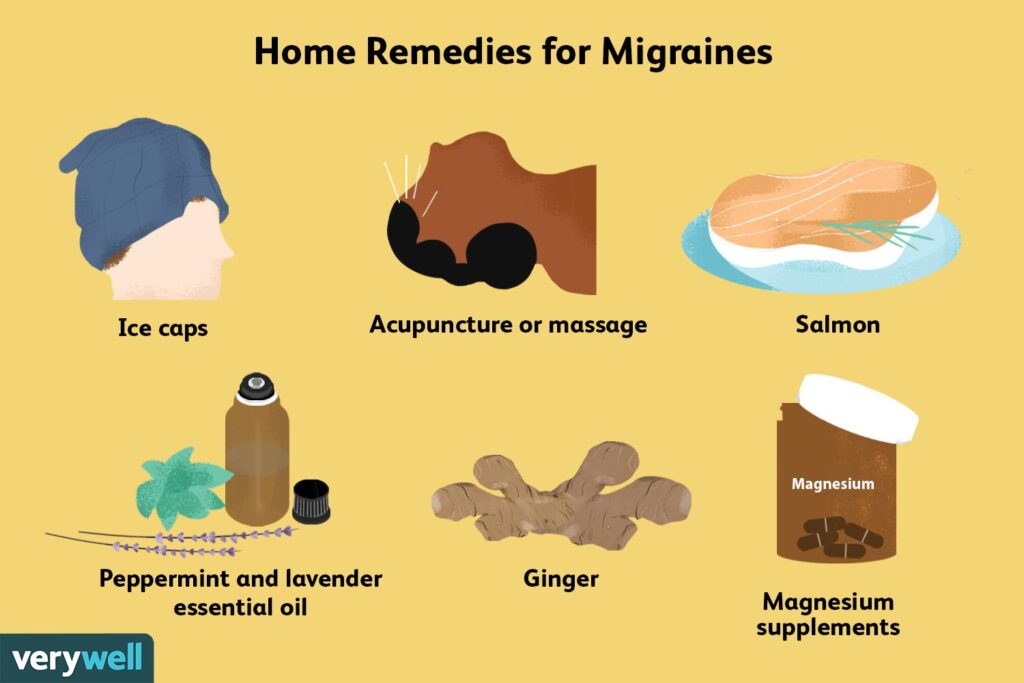
- Increasing magnesium intake: Magnesium deficiency is common in people with migraines
- Eating regular meals: Skipping meals can trigger migraines in some individuals
Managing Stress and Anxiety
Stress and anxiety are significant contributors to migraines. Learning to manage emotions through mindfulness, meditation, or deep breathing exercises can help reduce stress levels and prevent migraines.
Mindfulness techniques such as meditation and yoga can help reduce stress and promote relaxation. Some specific mindfulness practices that may be beneficial for individuals with migraines include:
- Body scan meditation: Focuses on the physical sensations in the body, promoting relaxation and reducing muscle tension
- Breathing exercises: Helps regulate breathing patterns and reduce stress levels
Omega-3 Fatty Acids
Consuming adequate amounts of omega-3 fatty acids, found in foods like nuts, seeds, and fish, can help alleviate migraine symptoms. Omega-3s have anti-inflammatory properties that may help soothe the pain.
Some specific sources of omega-3 fatty acids include:
- Fatty fish: Salmon, tuna, and mackerel are rich in omega-3 fatty acids
- Nuts and seeds: Walnuts, flaxseeds, and chia seeds are good sources of omega-3s
Quick Relief Remedies
When migraines strike, there are several quick relief remedies available:
- Taking a cool shower or bath to reduce pain
- Applying a warm compress or heating pad to relax muscles
- Using essential oils like lavender and peppermint to calm the mind and body
- Trying aromatherapy techniques to relieve tension
Prescription Medications
In some cases, prescription medications may be necessary to alleviate migraine symptoms. These can include:
- Triptans: Help constrict blood vessels and reduce pain
- Ergots: Treat migraines by constricting blood vessels
- Beta blockers: Lower blood pressure and reduce the frequency of migraines
Over-the-Counter Medications
Over-the-counter medications may also be effective in alleviating migraine symptoms. These can include:
- Acetaminophen: Relieves pain and reduces fever
- Ibuprofen: Reduces inflammation and relieves pain


