
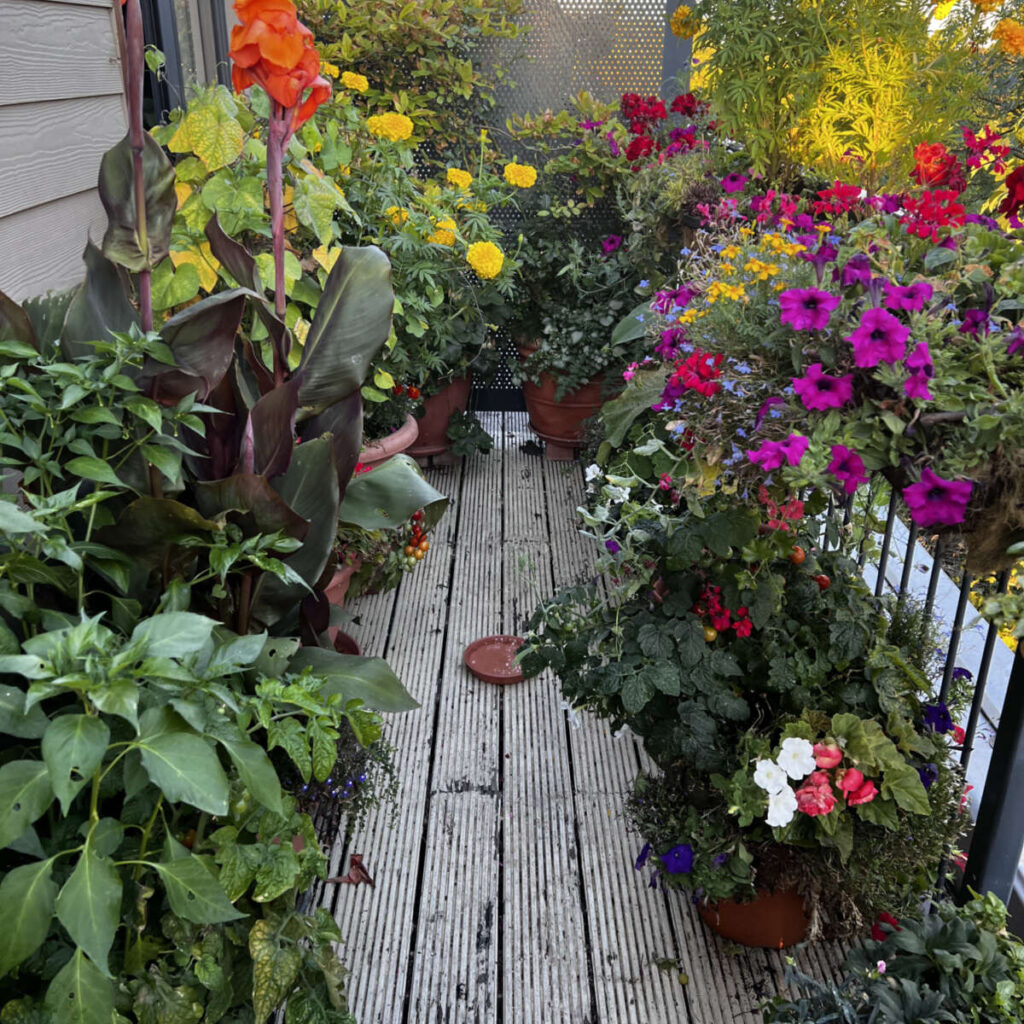
As we move away from the monoculture of modern gardening, the use of pesticides and harmful chemicals becomes a thing of the past. Instead, we turn to creating an orchestra of synergy, where plants work together in harmony to thrive and provide us with their fruits. This principle is just as applicable on our balconies as it is in our gardens, making it essential to learn how to create harmonious combinations with flower plants.
What are Companion Plantings?
When we use companion plantings, we’re simply cultivating multiple species of plants together that benefit from each other’s company. It’s not a new concept – humans have been doing this for ages! By selecting plants that complement each other, we can create a balanced ecosystem that respects the natural order of things.
Think of it like imitating nature itself. By respecting the environment and biodiversity, we get to enjoy the benefits of growing without harming the planet. This approach is especially relevant when it comes to flower plants, which can bring joy and beauty to our outdoor spaces.
Why Do Companion Plantings Matter?
Companion plantings offer numerous benefits, from deterring pests and diseases to improving soil fertility and increasing yields. By combining plants that complement each other, we can:
- Deter pests and diseases
- Improve soil fertility
- Increase yields
- Reduce the need for pesticides and chemicals
Examples of Companion Plantings
While companion plantings are often associated with vegetables, they can also be applied to flower plants. Here are a few examples:
- Aromatic Combinations: Pairing aromatic herbs like rosemary, thyme, and oregano with flowers like marigolds and calendula creates a harmonious blend of colors and scents.
- Legume-Rich Compositions: Combining legumes like beans, peas, and lentils with flowers like nasturtiums and calendula attracts beneficial insects and adds nitrogen to the soil.
Designing Companion Plantings
When designing companion plantings, it’s essential to consider the individual needs and growth habits of each plant. This includes:
- Spacing: Leaving enough space between plants for proper air circulation and growth
- Sunlight: Placing plants in areas with suitable sunlight conditions
- Watering: Ensuring that plants receive adequate water without overwatering
By considering these factors, we can create harmonious combinations of flower plants that thrive together.
Creating a Balanced Ecosystem
A well-designed companion planting scheme should strive to balance the needs of each plant. This includes:
- Complementary Growth Habits: Pairing plants with different growth habits to create a diverse and resilient ecosystem
- Pest Control: Using plants that repel pests or attract beneficial insects
- Soil Health: Adding plants that improve soil fertility and structure
By creating a balanced ecosystem, we can enjoy the benefits of companion plantings while minimizing the need for external inputs.
Tips for Creating Companion Planting Schemes
- Start small: Begin with a few plants and gradually expand your scheme as you gain experience.
- Research and planning: Learn about the needs and growth habits of each plant before designing your scheme.
- Observe and adapt: Monitor your scheme’s performance and make adjustments as needed to ensure its success.
Benefits of Companion Planting for Flower Plants
Companion planting offers numerous benefits for flower plants, including:
- Increased blooming: By pairing flowers with complementary growth habits, you can create a diverse and resilient ecosystem that supports healthy blooming.
- Improved fragrance: Aromatic herbs like rosemary and thyme can enhance the scent of nearby flowers.
- Reduced pests: Companion planting can help deter pests and diseases that might otherwise harm your flower plants.
Common Mistakes to Avoid
While companion plantings offer numerous benefits, there are also some common mistakes to avoid. These include:
- Insufficient research: Failing to learn about the needs and growth habits of each plant before designing your scheme can lead to poor results.
- Overcrowding: Planting too many plants in a small area can lead to overcrowding and reduced air circulation, which can harm plant health.
By avoiding these common mistakes and incorporating the tips outlined above into your gardening practice, you can create harmonious combinations with flower plants that thrive together and bring joy to your outdoor space.
Conclusion
Companion plantings offer a powerful way to create harmonious combinations with flower plants. By understanding the principles behind this approach, we can design schemes that benefit both our gardens and the environment. Whether you’re a seasoned gardener or just starting out, companion plantings are an excellent way to add depth and diversity to your outdoor space.
Frequently Asked Questions
- What are some examples of flowers that can be used in companion plantings?
- Marigolds, calendula, nasturtiums, and rosemary are just a few examples of flowers that can be used in companion plantings.
- How do I choose the right plants for my companion planting scheme?
- Consider factors like growth habits, sunlight requirements, and pest resistance when selecting plants for your companion planting scheme.
- What is the benefit of using legumes in companion plantings?
- Legumes add nitrogen to the soil, which benefits other plants in the scheme.
- Can I use companion plantings on my balcony or patio?
- Yes! Companion plantings can be used on balconies and patios to create a beautiful and thriving outdoor space.
- How do I design a companion planting scheme that is balanced and resilient?
- Consider complementary growth habits, pest control, and soil health when designing your companion planting scheme.
By incorporating these tips into your gardening practice, you can create harmonious combinations with flower plants that thrive together and bring joy to your outdoor space.


