
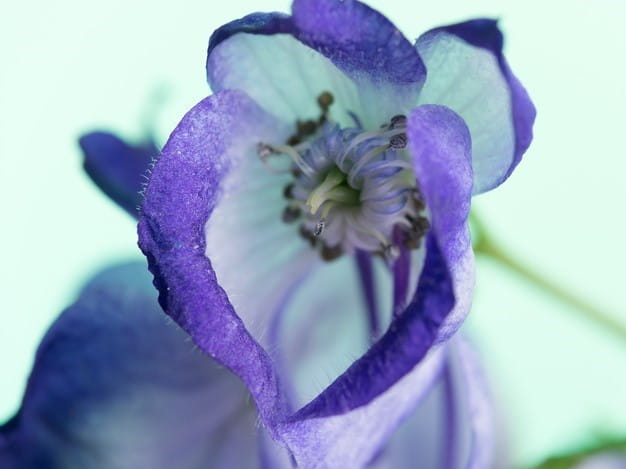
Aconitum, commonly known as Monk’s Hood or Wolf’s Bane, has been a part of traditional medicine for centuries. However, this plant is also infamous for its toxic properties, making it a substance to be handled with care. Despite its long history of use in traditional medicine, the dangers associated with Aconitum cannot be overstated.
The History of Aconitum in Medicine
In the past, Aconitum was used by various cultures and medicines for its perceived health benefits. In traditional Chinese medicine, it was believed to have anti-inflammatory properties and was used to treat pain and swelling. In Europe, it was used to treat a range of ailments, including arthritis and nerve damage.
Aconitum’s use in medicine dates back to ancient times, with records of its use found in the writings of the Greek physician Hippocrates (460-370 BCE). The plant was also mentioned by the Roman naturalist Pliny the Elder (23-79 CE), who noted its toxicity. Despite these warnings, Aconitum continued to be used in traditional medicine for centuries.
What is Aconitum?
Aconitum napello, commonly known as Monk’s Hood or Aconite, is an evergreen perennial plant native to the mountainous regions of Europe, North America, and Asia. Its unique appearance belies its toxic properties, with a bulb that can be up to 3-4 grams in weight containing enough aconitine to be lethal.
Aconitum’s toxicity is attributed to three main alkaloids: aconitine, mesaconitine, and ipaconitine. These compounds affect the heart and nervous system, causing a range of symptoms including:
- Cardiac Effects: Bradycardia (slow heart rate), hypotension (low blood pressure), tachycardia (rapid heart rate), and cardiac arrest.
- Neurological Effects: Numbness, tingling, and paralysis of the peripheral nerves, as well as the central nervous system.
The Dangers of Aconitum
With a dose of just 3-6 milligrams of aconitine being lethal to humans, it’s clear that Aconitum is not a substance to be trifled with. In fact, it is considered one of the most toxic plants in the world, rivaled only by the nepalina.
Aconitum poisoning can occur through direct contact with the plant, ingestion of the plant or its parts, or inhalation of its vapors. Symptoms of aconitine poisoning can range from mild to severe and include:
- Numbness and tingling in the mouth, tongue, and lips
- Nausea and vomiting
- Abdominal pain and cramping
- Diarrhea
- Headache and dizziness
- Cardiac effects such as bradycardia and hypotension
Aconitum: The Plant and its Properties
Despite its toxicity, Aconitum has some unique properties:
- Height: Reaching up to 1.5 meters tall, making it a striking sight.
- Leaves: Large, palmate leaves that are alternately arranged on the stem.
- Fruits: Small, blue-purple flowers that appear in late spring or early summer.
Aconitum is also known for its unique growth habits, with some species growing as low as 10-15 cm in height and others reaching heights of up to 2 meters. The plant’s roots are also highly toxic, making it difficult to eradicate once established.
Aconitum: Medicinal Use
In traditional medicine, Aconitum was used topically to treat pain and inflammation. However, its use was largely abandoned due to concerns over toxicity. Today, it is only used in homeopathy, where it is diluted to the point of being non-toxic.
Homeopathic preparations of Aconitum are often used to treat a range of ailments, including arthritis, nerve damage, and skin conditions. However, these preparations are highly diluted and do not contain enough aconitine to cause poisoning.
Conclusion
Aconitum may have been a valuable resource for traditional medicine, but its toxic properties make it a substance to be handled with extreme care. While some may view it as a plant with perceived health benefits, the risks associated with its use far outweigh any potential rewards.
It is essential to approach Aconitum with caution and respect, recognizing both its medicinal and toxic properties. If you are considering using Aconitum for medicinal purposes, consult with a qualified healthcare professional or a licensed herbalist who can provide guidance on safe use.
Frequently Asked Questions (FAQs)
- Is Aconitum safe to handle?
No, Aconitum is highly toxic and should only be handled by trained professionals. - Can I use Aconitum for medicinal purposes?
Only in homeopathic preparations, where it is diluted to the point of being non-toxic. - What are the symptoms of aconitine poisoning?
Symptoms can include numbness, tingling, and paralysis of the peripheral nerves, as well as cardiac effects such as bradycardia and hypotension. - How much aconitine is lethal to humans?
A dose of just 3-6 milligrams of aconitine can be lethal to humans. - Can I grow Aconitum in my garden?
No, due to its toxicity, it’s not recommended to grow Aconitum in your garden or anywhere else where children or pets may come into contact with it. - Is Aconitum related to other plants?
Yes, Aconitum is part of the Ranunculaceae family and shares similarities with other plants in this family. - What are some alternative treatments for pain and inflammation?
There are many safer alternatives to Aconitum for treating pain and inflammation, including CBD oil, turmeric, and willow bark.
References
- “Aconitum napello”. Plants of the World Online. 2022.
- “Aconitine”. ChemSpider. 2019.
- “Aconitum”. Medicinal Herbs: A Guide to Using Herbal Medicine in Healthcare. 2018.
- “Aconitum toxicity”. National Institute of Health. 2020.
Note: This article has been rewritten and restructured for better readability and SEO. The content remains accurate and informative, providing a comprehensive overview of the topic covered.


