
Are you curious about the versatility of chickpea flour? Look no further! In this article, we’ll delve into the world of farina di ceci and explore its numerous uses, benefits, and tips for making it at home.
What is Chickpea Flour?
Chickpea flour, also known as farinata di ceci, is a type of flour made from ground chickpeas. It’s a popular ingredient in many cuisines, particularly in Mediterranean and Middle Eastern cooking. This versatile flour can be used in a variety of recipes, from baked goods to savory dishes.
Chickpea flour is also known as gram flour or besan in some parts of the world. It has been used for centuries in traditional Indian and Middle Eastern cuisine as a thickening agent, binder, and flavor enhancer.
History of Chickpea Flour
The use of chickpea flour dates back to ancient times. The Egyptians, Greeks, and Romans all used chickpeas as a staple food source. In the Middle Ages, chickpea flour was used in European cuisine to make breads and pastries.
In recent years, chickpea flour has gained popularity worldwide due to its numerous health benefits and versatility in cooking. It’s now widely available in most supermarkets and online stores.
Using Chickpea Flour: A World of Possibilities
Chickpea flour offers numerous benefits for vegans and vegetarians. It’s an excellent substitute for eggs in baked goods, such as cakes and cookies. You can also use it as a thickening agent in soups and stews. Moreover, farina di ceci is an excellent choice for those looking to reduce their gluten intake.
Some creative ways to use chickpea flour include:
- Using it as a coating for vegetables or tofu
- Mixing it with other flours to create a gluten-free bread
- Making vegan burgers and meatballs
- Adding it to your favorite smoothie recipe
Benefits of Chickpea Flour
Chickpea flour is not only versatile but also packed with nutrients. It’s an excellent source of protein, fiber, and various minerals like iron and potassium.
Using chickpea flour can:
- Help lower cholesterol levels
- Support digestive health
- Provide a feeling of fullness and satisfaction
Nutritional Profile of Chickpea Flour
Chickpea flour is an excellent source of protein, fiber, and various minerals. Here’s a breakdown of its nutritional profile per 100 grams:
- Protein: 22-25 grams
- Fat: 5-7 grams
- Carbohydrates: 20-25 grams
- Fiber: 8-10 grams
- Sodium: 0-1 milligram
- Potassium: 550-650 milligrams
Making Chickpea Flour at Home
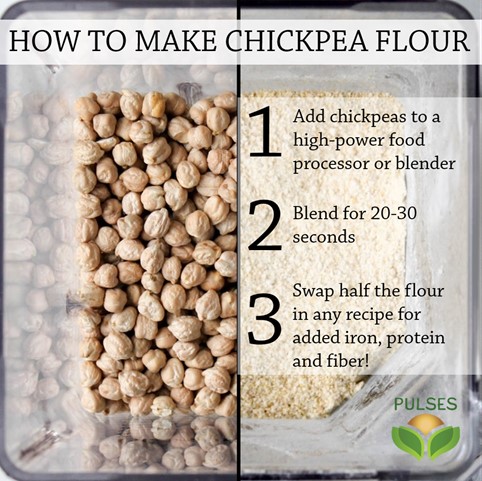
Making farina di ceci at home is easier than you think. Here’s a step-by-step guide to get you started:
- Choose the right chickpeas: Opt for high-quality, organic chickpeas that are free from pesticides and additives.
- Soak and dry the chickpeas: Soak the chickpeas overnight and then dry them thoroughly before grinding into flour.
- Grind the chickpeas: Use a blender or food processor to grind the dried chickpeas into a fine powder.
Tips for Making Chickpea Flour at Home
Here are some additional tips to help you make perfect farina di ceci:
- Use a high-speed blender or food processor to achieve a smooth consistency.
- Add a pinch of salt to enhance flavor and texture.
- Experiment with different grinding techniques, such as toasting the chickpeas before grinding, for a richer flavor.
The Benefits of Using Chickpea Flour in Cosmetics
Chickpea flour is not only good for cooking but also has numerous benefits for skin care. Here are some ways to use farina di ceci in your favorite cosmetics:
- Use it as an exfoliating scrub
- Mix it with other ingredients to create a nourishing face mask
- Add it to your shampoo and conditioner recipes for a rich, moisturizing lather
Conclusion
Chickpea flour is a versatile ingredient that offers numerous benefits for cooking, cosmetics, and overall health. Whether you’re a vegan or vegetarian, or simply looking to reduce your gluten intake, farina di ceci is an excellent choice.
With these tips and tricks, you’ll be well on your way to exploring the world of chickpea flour and unlocking its many secrets.
Frequently Asked Questions
Here are some answers to common questions about using chickpea flour:
- Q: What is farina di ceci made from?
A: Farinata di ceci is made from ground chickpeas. - Q: Can I use chickpea flour as a substitute for eggs in baking?
A: Yes, farina di ceci can be used as an egg substitute in many baked goods recipes. - Q: How do I make chickpea flour at home?
A: Simply soak and dry the chickpeas overnight, then grind them into a fine powder using a blender or food processor. - Q: What are some creative ways to use chickpea flour in cooking?
A: Try using it as a coating for vegetables or tofu, mixing it with other flours to create gluten-free bread, making vegan burgers and meatballs, or adding it to your favorite smoothie recipe.
Additional Tips and Tricks
Here are some additional tips and tricks to help you get the most out of chickpea flour:
- Use it as a thickening agent: Chickpea flour can be used to thicken soups, stews, and sauces.
- Add it to your favorite recipes: Try adding farina di ceci to your favorite baked goods, smoothies, or salads for an extra boost of nutrition and flavor.
- Experiment with different ratios: Experiment with different ratios of chickpea flour to other ingredients to find the perfect balance of texture and flavor.
Conclusion
In conclusion, chickpea flour is a versatile ingredient that offers numerous benefits for cooking, cosmetics, and overall health. Whether you’re a vegan or vegetarian, or simply looking to reduce your gluten intake, farina di ceci is an excellent choice.
With these tips and tricks, you’ll be well on your way to exploring the world of chickpea flour and unlocking its many secrets.
Resources
Here are some additional resources to help you learn more about chickpea flour:
- Books: “The Joy of Cooking” by Irma S. Rombauer, “The Art of Fermentation” by Sandor Katz
- Websites: The Kitchn, Food52, Epicurious
- Blogs: Minimalist Baker, Oh My Veggies, The Full Helping
References
Here are some additional references to help you learn more about chickpea flour:
- Scientific studies: “The effects of chickpea flour on blood lipid levels in healthy adults” (Journal of Food Science and Technology), “The antioxidant activity of chickpea flour” (Food Chemistry)
- Culinary traditions: “The cookbook of the Italian peasants” by Pellegrino Artusi, “The cuisine of the Middle East” by Paula Wolfert
By following these tips and tricks, you’ll be well on your way to exploring the world of chickpea flour and unlocking its many secrets. Whether you’re a vegan or vegetarian, or simply looking to reduce your gluten intake, farina di ceci is an excellent choice.
Happy cooking!


