
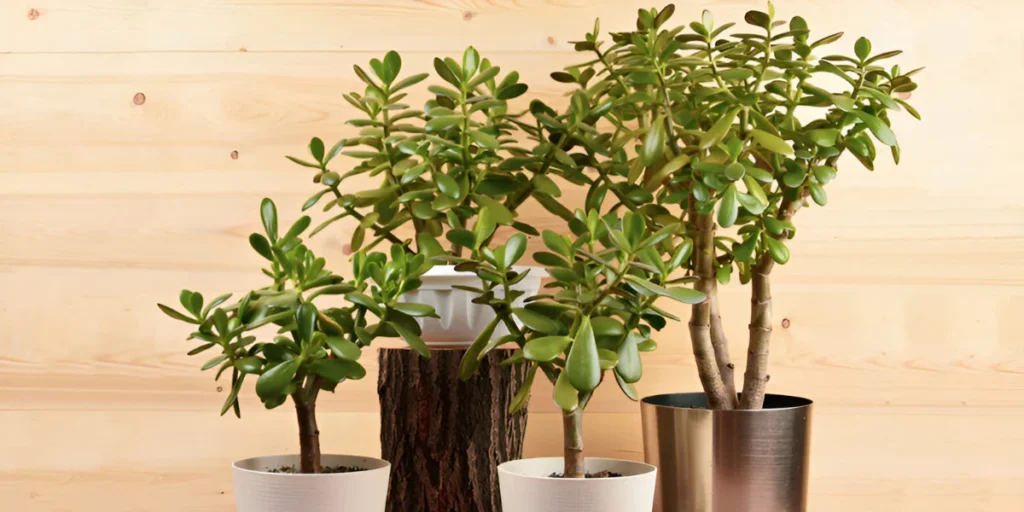
If you’re looking for a low-maintenance plant to add some greenery to your indoor space, consider the jade tree (Crassula ovata). This versatile and easy-to-care-for plant can thrive in a variety of conditions and is perfect for beginners. With its stunning appearance, durability, and adaptability, it’s no wonder why the jade tree has become one of the most popular houseplants among indoor garden enthusiasts.
Characteristics of the Jade Tree
The jade tree is an attractive and robust plant that can grow into small trees or shrubs, reaching heights of up to 3 feet (90 cm) in ideal conditions. Its succulent and fleshy leaves come in shades of green, gray-blue, or red depending on the species, adding a touch of elegance to any room. The sturdy brown trunks support the vibrant green foliage, making it a stunning addition to any space.
The jade tree’s unique characteristics make it an ideal choice for indoor gardens. Its ability to thrive in low-light conditions makes it perfect for rooms with limited natural light, while its compact size allows it to be easily placed on a windowsill or shelf. With proper care and attention, the jade tree can become a beautiful and thriving addition to your indoor space.
Types of Jade Trees
There are several species of jade trees available in the market, each with its unique characteristics. For example, the ‘Metallic Jade’ has small, rounded leaves with a silvery-gray color, while the ‘Golden Jade’ boasts leaves with golden borders when exposed to direct sunlight. Other popular varieties include the ‘Blue Jade’, which features leaves with a beautiful blue-green hue, and the ‘Red Jade’, which showcases vibrant red leaves.
Common Problems with Jade Trees
Jade trees are relatively disease-free, but they can be susceptible to certain issues if not properly cared for. Overwatering or underwatering can lead to problems such as root rot, leaf drop, and pest infestations. Regular inspections of the plant’s soil moisture and removal of pests like mealybugs and spider mites can help prevent these issues.
Another common problem that jade trees can experience is scale infestation. These tiny insects feed on the plant’s sap, causing damage to the leaves and stems. To prevent scale infestations, gently inspect the plant for any signs of activity, and treat promptly with a gentle insecticide or soap solution.
How to Care for a Jade Tree
To keep your jade tree happy and thriving, provide it with plenty of sunlight or filtered light from a south-facing window. Ensure that the plant receives at least four hours of direct sunlight per day. During winter months, protect the plant from drafts and avoid allowing its leaves to touch windows.
Maintain the soil’s moisture levels during active growth periods in spring and summer by keeping the top inch moist but not waterlogged. In the fall, allow the soil to dry slightly between watering sessions. Be cautious not to overwater, as this can cause root rot and other issues.
It’s also essential to fertilize your jade tree regularly to promote healthy growth. Use a balanced fertilizer specifically designed for indoor plants during its growing season (spring and summer). Dilute the fertilizer according to the manufacturer’s instructions and apply it once every three or four months. During the dormant season, you can skip fertilization altogether.
Fertilization and Pruning
Regular pruning is essential to maintain the plant’s shape and encourage bushy growth. Prune any dead or damaged leaves or branches to prevent the spread of disease and promote healthy development. Use sharp, clean scissors or pruning shears to avoid spreading diseases.
When repotting your jade tree, wait until new growth begins before fertilizing again. Choose a pot that is only slightly larger than the current one, as this will help prevent the roots from becoming too wet. Use a well-draining potting mix specifically designed for indoor plants to ensure optimal root health.
Propagation Methods
Jade trees can be propagated through cuttings or division. Take softwood cuttings in spring or summer by cutting off small sections of stem with at least two sets of leaves. Remove lower leaves, dip the base of the cutting into rooting hormone powder, and plant it in a well-draining potting mix. Water sparingly until roots develop.
Another popular method is division, which involves separating the plant’s roots to create new individuals. Choose an established jade tree during its active growth period, and carefully remove the plant from its pot. Gently separate the roots into smaller sections, and replant each section in a well-draining potting mix.
Pest Control
Jade trees can be susceptible to pests like mealybugs and spider mites. Regularly inspect for signs of infestation, such as small white insects or webbing on the leaves, and treat promptly with a gentle insecticide or soap solution. Isolate the plant from other plants to prevent further infestations.
Common Problems in Jade Trees
While jade trees are relatively low-maintenance, they can still experience various issues if not properly cared for. Some common problems that may arise include:
- Overwatering: Excessive water can cause root rot and kill the plant.
- Underwatering: Failure to provide adequate moisture can lead to leaf drop and stunted growth.
- Pests: Mealybugs, spider mites, and scale infestations can damage the plant’s leaves and stems.
- Diseases: Fungal diseases like root rot and leaf spot can infect the plant if not properly cared for.
Tips for Growing Jade Trees
To ensure optimal health and growth, follow these tips:
- Provide adequate light: Ensure that your jade tree receives at least four hours of direct sunlight per day.
- Maintain consistent temperature: Keep the room temperature between 65-75°F (18-24°C) to promote healthy growth.
- Water wisely: Water sparingly during winter months, and avoid getting water on the leaves to prevent fungal diseases.
- Fertilize regularly: Use a balanced fertilizer specifically designed for indoor plants during its growing season.
Conclusion
The jade tree is an excellent choice for anyone looking for a low-maintenance indoor plant that can add beauty and tranquility to their space. With proper care and attention, your jade tree will thrive and become a stunning addition to your home. Remember to provide adequate light, maintain consistent temperature, water wisely, and fertilize regularly to ensure optimal health and growth.
Additional Tips for Jade Tree Care
If you’re looking for additional tips or advice on caring for your jade tree, here are some suggestions:
- Repotting: Wait until new growth begins before repotting your jade tree.
- Pruning: Prune any dead or damaged leaves or branches to prevent disease spread and promote healthy development.
- Fertilization: Use a balanced fertilizer specifically designed for indoor plants during its growing season.
- Pest control: Regularly inspect for signs of infestation, and treat promptly with a gentle insecticide or soap solution.
By following these tips and guidelines, you can enjoy the beauty and benefits of your jade tree for years to come.


