
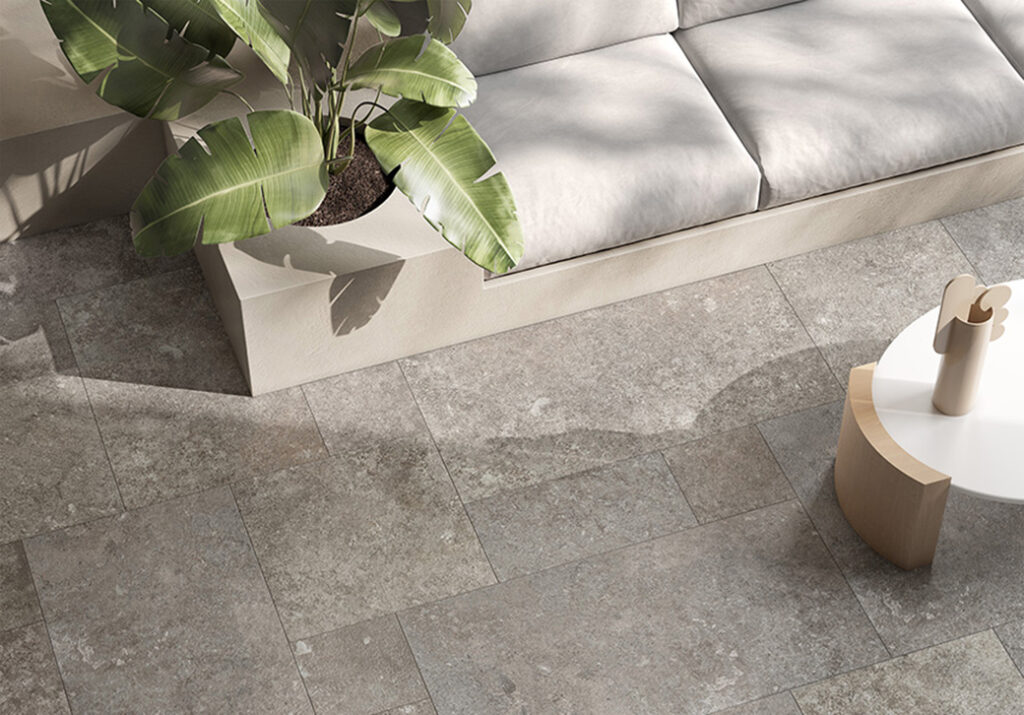
What is Porcelain Tile?
Porcelain tile is a type of ceramic material that has gained immense popularity in recent years due to its durability, aesthetic appeal, and versatility. It’s made from a combination of clay, feldspar, and quartz, which are fired at high temperatures to create a hard, non-porous surface.
History of Porcelain Tile
The history of porcelain tile dates back thousands of years, with evidence of ceramic production dating back to ancient China. However, it wasn’t until the late 19th century that porcelain tile became widely available and gained popularity in Europe and North America. Today, porcelain tile is a staple in many homes and buildings around the world.
How is Porcelain Tile Made?
The manufacturing process of porcelain tile involves several steps:
- Mixing the raw materials: Clay, feldspar, and quartz are mixed together in a specific ratio to create a uniform blend.
- Shaping the tiles: The mixture is then shaped into the desired form using a machine or by hand.
- Drying and firing: The tiles are dried and then fired at high temperatures (usually between 1200-1400°C) to achieve the desired level of hardness and durability.
Types of Porcelain Tile
There are several types of porcelain tile available, each with its own unique characteristics and benefits:
- Full-body porcelain: This type of tile has a uniform color throughout and is often used for high-end applications.
- Body-glazed porcelain: This type of tile has a glaze applied to the surface and is often used for interior walls and floors.
- Glazed porcelain: This type of tile has a glazed surface but no body color, making it ideal for exterior use or areas that require easy cleaning.
- Textured porcelain: This type of tile features a textured surface and is often used for decorative applications.
Prices of Porcelain Tile Flooring
The prices of porcelain tile flooring vary greatly depending on the type, quality, and installation costs. Here’s a rough estimate of what you can expect to pay:
- Basic porcelain tile: €40-€60 per square meter
- Mid-range porcelain tile: €60-€80 per square meter
- High-end porcelain tile: €80-€120 per square meter
- Luxury porcelain tile: €120-€200 per square meter
Installation Costs
The installation costs of porcelain tile flooring depend on the type of adhesive used, the complexity of the design, and the labor costs. Here’s a rough estimate of what you can expect to pay:
- Massetto (underlayment): €24-€38 per square meter
- Lisciatura (finishing work): €10-€20 per square meter
- Labor costs: €50-€100 per square meter
Types of Adhesives Used for Porcelain Tile
There are several types of adhesives used for porcelain tile, each with its own unique characteristics and benefits:
- Cement-based adhesive: This type of adhesive is suitable for most applications but may not be as durable as other options.
- Epoxy-based adhesive: This type of adhesive is more durable than cement-based adhesives and provides a strong bond between the tile and substrate.
- Acrylic-based adhesive: This type of adhesive is water-based and easy to clean, making it ideal for areas with high foot traffic.
Maintenance and Cleaning
Porcelain tile is relatively easy to clean and maintain, but it requires some special care to avoid damaging the surface. Here are some tips:
- Use a gentle cleaner specifically designed for porcelain tile.
- Avoid using abrasive materials or harsh chemicals that can scratch or etch the surface.
- Dry the tile thoroughly after cleaning to prevent water spots.
- Regularly sweep and mop the floor to remove dirt and debris.
Tips and Tricks
- Always read the manufacturer’s instructions before using any cleaning products.
- Use a soft cloth or sponge to clean the tile, rather than scrubbers or brushes.
- Avoid using acidic substances like vinegar or lemon juice, as they can etch the surface.
- Consider applying a sealant to protect the tile from stains and water damage.
Common Mistakes to Avoid
When installing porcelain tile flooring, there are several common mistakes to avoid:
- Not following manufacturer’s instructions for adhesive and grout application.
- Using the wrong type of adhesive or grout for the specific tile.
- Failing to properly clean and prepare the substrate before installation.
- Not drying the tile thoroughly after cleaning.
FAQs
Q: What is the difference between porcelain tile and ceramic tile?
A: Porcelain tile is made from a denser material than ceramic tile, making it more durable and resistant to scratches and stains.
Q: How do I choose the right type of adhesive for my porcelain tile flooring?
A: Choose an adhesive that’s specifically designed for porcelain tile and follows the manufacturer’s instructions.
Q: Can I install porcelain tile flooring myself?
A: While it’s possible to install porcelain tile flooring yourself, it’s recommended to hire a professional due to the complexity of the process and the potential for errors.
Q: How do I prevent water spots on my porcelain tile flooring?
A: Use a gentle cleaner specifically designed for porcelain tile, dry the tile thoroughly after cleaning, and consider applying a sealant to protect the surface.
Q: Can I use a steam cleaner on my porcelain tile flooring?
A: No, it’s not recommended to use a steam cleaner on porcelain tile flooring as it can etch the surface or damage the adhesive.
Q: How long does it take to install porcelain tile flooring?
A: The installation time depends on the size of the area, the complexity of the design, and the labor costs. On average, it takes around 1-2 weeks to install a small to medium-sized room.
Q: Can I use a heat gun to dry my porcelain tile flooring?
A: No, it’s not recommended to use a heat gun on porcelain tile flooring as it can cause the adhesive to dry too quickly or unevenly.
Conclusion
Porcelain tile is a popular choice for flooring due to its durability, aesthetic appeal, and versatility. However, it requires proper installation and maintenance to ensure its longevity. By following the tips and tricks outlined in this guide, you can enjoy your porcelain tile flooring for years to come. Remember to choose the right type of adhesive and grout, follow manufacturer’s instructions, and maintain the surface regularly to prevent damage and extend the life of your porcelain tile flooring.


