
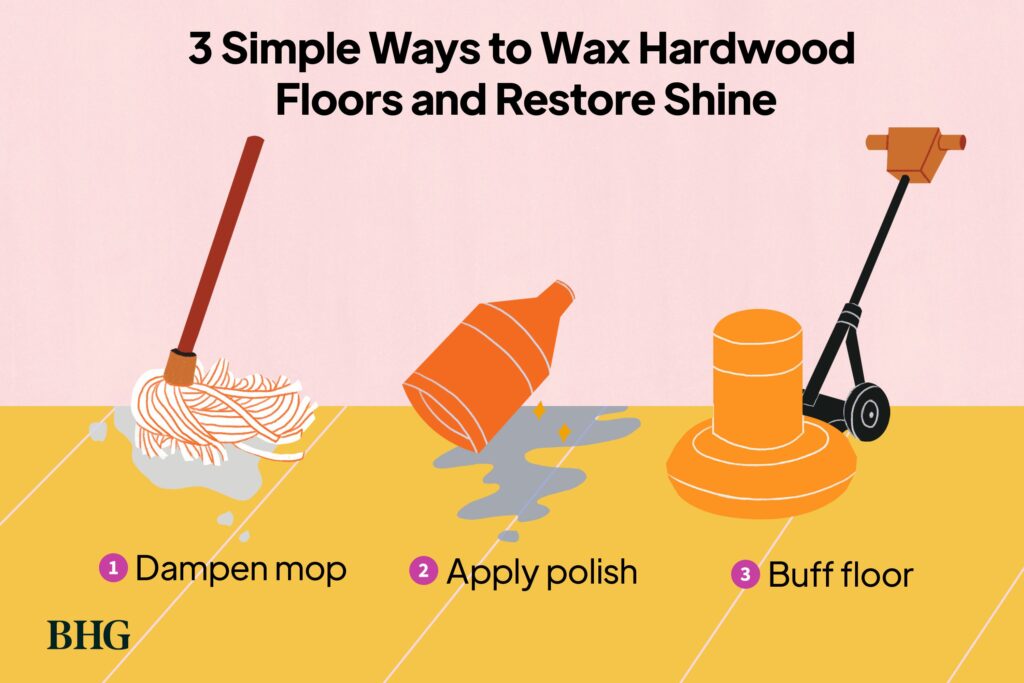
Are you tired of using harsh chemical products on your parquet floor? Do you want to add a touch of elegance and natural charm to your home? Look no further! In this article, we’ll show you how to make a natural wax for parquet floors at home using just a few simple ingredients.
The Beauty of Parquet Floors
Parquet floors have been a popular choice for flooring due to their unique blend of elegance, natural look, and pleasant feel. They can be considered a functional and aesthetically pleasing element in any room, adding warmth and character to your space. However, parquet floors require special care to preserve their original appearance and respect their natural origin.
The Importance of Sustainable Forestry Practices
Before we dive into the DIY project, let’s talk about the importance of sustainable forestry practices. When choosing wood for your parquet floor, look for wood certified by the Forest Stewardship Council (FSC) to ensure that it comes from responsibly managed forests. This not only helps protect the environment but also ensures that you’re supporting ethical and sustainable practices.
Why Choose Natural Remedies?
Parquet floors require special care to preserve their original appearance and respect their natural origin. Using harsh chemical products can damage the wood, discolor it, or even harm your health. By choosing a natural wax, you can protect your parquet floor while also adding a touch of elegance and charm to your home.
The Magic Ingredients
To make a natural wax for parquet floors, you’ll need the following ingredients:
- Linseed oil
- Beeswax
- Natural wax (soya or candelilla)
- White vinegar
- Microfiber cloth
- Glass container with a tight-fitting lid
These ingredients are easy to find on Amazon or at craft stores. You can also customize your natural wax by using different types of wax or adding essential oils for extra fragrance and benefits.
Preparing the Wax
To prepare the natural wax, follow these simple steps:
- Add 1 tablespoon of linseed oil to a glass container.
- Add 4 tablespoons of natural wax (soya or candelilla).
- Add 4 tablespoons of beeswax.
- Add 1/2 cup of white vinegar.
- Mix the ingredients thoroughly with a wooden spoon.
Heating the Mixture
Place the mixture over low heat, stirring occasionally, until all the ingredients have melted and are well combined. Be patient, as this process may take some time.
Cooling and Solidifying the Wax
Remove the container from the heat source and let it cool. Once cooled, transfer the wax to an airtight glass container and refrigerate for at least 2 hours to allow it to solidify. This will help prevent any air bubbles or excess moisture from forming in your wax.
Applying the Natural Wax
Now that you have your natural wax, follow these simple steps to apply it to your parquet floor:
- Dip a microfiber cloth into the wax and distribute it evenly.
- Apply the wax in circular motions, working from one end of the room to the other.
- Allow the wax to dry for 5-10 minutes before stroking it with a soft, clean cloth.
Tips and Reminders
- Always use a microfiber cloth to avoid leaving lint behind.
- Work in circular motions when applying the wax and when removing it.
- Make sure the parquet floor is free of dirt and dust before applying the wax.
- Store any leftover wax in an airtight container in a cool, dry place.
Additional Tips for a Long-Lasting Wax
To ensure that your natural wax lasts longer, follow these additional tips:
- Test the wax on a small area first: Before applying the wax to your entire parquet floor, test it on a small, inconspicuous area to make sure it doesn’t damage the wood.
- Avoid over-applying the wax: Too much wax can leave a greasy residue on your floor. Start with a small amount and apply more as needed.
- Use a clean cloth to remove excess wax: After applying the wax, use a clean cloth to wipe away any excess wax that has accumulated in the crevices or grooves of the parquet floor.
- Reapply the wax regularly: To maintain the appearance and protection of your parquet floor, reapply the wax every 6-12 months, depending on foot traffic and maintenance needs.
Conclusion
By following these simple steps, you can create a natural wax for your parquet floors using just a few ingredients. This eco-friendly solution will not only preserve the beauty of your flooring but also protect it from damage. Say goodbye to harsh chemical products and hello to a healthier, more sustainable way of maintaining your parquet floor.
Frequently Asked Questions
- Q: What is linseed oil?
A: Linseed oil is a natural oil extracted from flaxseeds. It’s a popular choice for woodworking because it provides a durable, water-resistant finish. - Q: Can I use other types of wax instead of beeswax?
A: Yes, you can use other types of wax, such as soy wax or carnauba wax, in place of beeswax. - Q: How long does the natural wax take to dry?
A: The natural wax will typically take 5-10 minutes to dry after application. - Q: Can I apply the natural wax on my hardwood floor instead of parquet?
A: While you can use the natural wax on your hardwood floor, it’s recommended to use a different product specifically designed for hardwood floors. - Q: How often should I reapply the natural wax?
A: The frequency of reapplication depends on the level of foot traffic and maintenance in your home. Typically, you’ll need to reapply the wax every 6-12 months. - Q: Can I use essential oils in my natural wax?
A: Yes, you can add a few drops of essential oils to your natural wax for extra fragrance and benefits. - Q: Is the natural wax suitable for all types of parquet floors?
A: The natural wax is suitable for most types of parquet floors, but it’s recommended to test a small area first to ensure compatibility with your specific flooring material. - Q: Can I make a larger batch of natural wax than the recipe provides?
A: Yes, you can easily double or triple the recipe by using more ingredients and adjusting the quantities accordingly.
Benefits of Natural Wax for Parquet Floors
Using a natural wax on your parquet floor has numerous benefits, including:
- Eco-friendliness: Natural waxes are biodegradable and non-toxic, making them an eco-friendly alternative to harsh chemical products.
- Long-lasting protection: Natural waxes provide long-lasting protection against scratches, spills, and foot traffic.
- Enhanced appearance: A natural wax can enhance the appearance of your parquet floor, adding a touch of elegance and charm to your home.
- Improved air quality: Natural waxes are free from harsh chemicals, making them a healthier choice for indoor air quality.
Conclusion
By choosing natural wax over harsh chemical products, you’re not only preserving the beauty of your parquet floor but also creating a healthier, more sustainable living space. Follow these simple steps to create your own natural wax at home and enjoy the benefits of eco-friendly flooring maintenance.


