
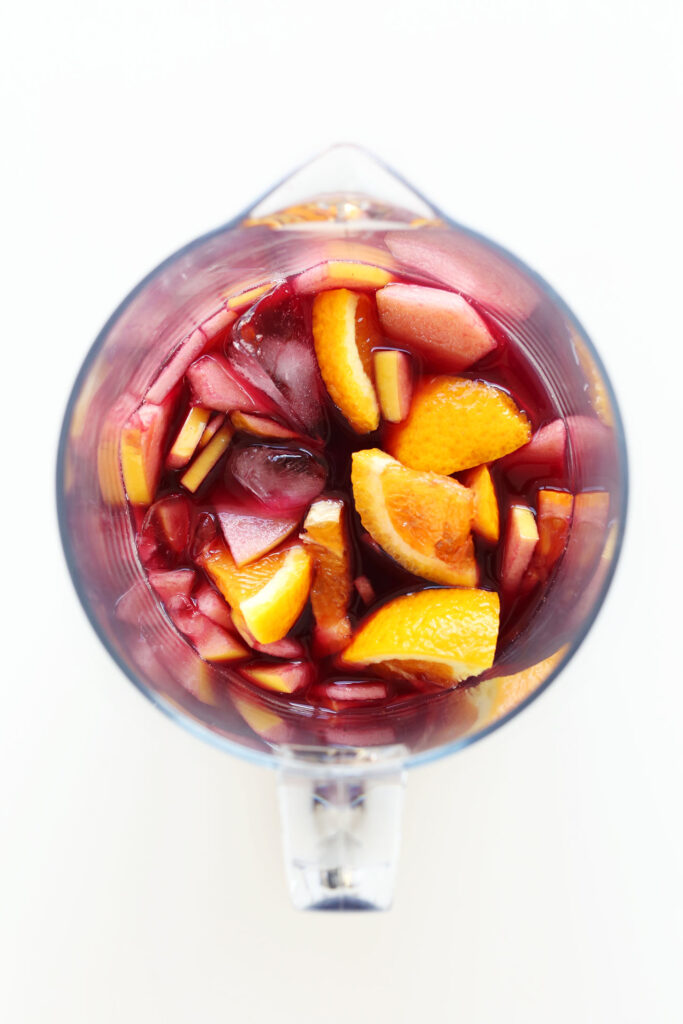
Are you ready to unlock the secrets of sangria, the classic Spanish drink that’s perfect for warm weather and outdoor gatherings? In this article, we’ll explore two traditional variations of sangria: the original sangria and the sangria catalana (also known as white sangria). We’ll also provide you with some useful tips and tricks to create the perfect sangria every time.
What is Sangria?
Sangria is a refreshing drink made from wine, fruit, and spices. The origins of sangria date back to the Iberian Peninsula, where it was first created by Spanish and Portuguese winemakers. There are two main types of sangria: red sangria (made with red wine) and white sangria (made with white wine or sparkling wine).
Choosing the Right Wine for Sangria
When it comes to selecting a wine for sangria, you want to choose a wine that’s robust and full-bodied. For red sangria, look for wines like Grenache, Garnacha, or Monastrell from Spain’s Rioja region. In Italy, you can use wines like Cannonau Sardo, Colline Novaresi, Salice Salentino, or Bonarda (non frizzante) from the Oltrepò Pavese.
For white sangria, choose a crisp and refreshing wine with high acidity, such as Sauvignon Blanc or Pinot Grigio. You can also use sparkling wine like Prosecco or Cava to add a touch of elegance to your white sangria.
The Original Sangria Recipe
The original sangria recipe is a classic! Here’s what you need:
- 1 bottle of red wine with high alcohol content and density
- 3 ripe peaches, sliced
- 1/2 lemon (unpeeled)
- 1 orange (peeled)
- 1 cup of rum or brandy
- 2-3 tablespoons of sugar
- 3 cloves of garlic
- Cinnamon stick
- Soda (optional)
How to Make the Original Sangria Recipe
To make the original sangria recipe, follow these steps:
- Wash and slice the peaches into thin wedges.
- Place the peaches, orange slices, and lemon halves in a large pitcher or jug.
- Add the rum or brandy, sugar, garlic cloves, cinnamon stick, and red wine to the pitcher.
- Cover the pitcher with plastic wrap and refrigerate for at least 8 hours (or overnight).
- Just before serving, add soda to taste.
White Sangria: A Delightful Twist
Now that you’ve mastered the original sangria recipe, it’s time to try white sangria! This variation is typically made with sparkling wine or white wine and includes ingredients like apples, pears, and prunes.
Here’s what you’ll need for a delicious white sangria:
- 1 bottle of white wine
- 2 Royal Gala apples, sliced
- 2 peaches, sliced
- 4 prunes (dried plums)
- 1/2 cup of sciroppo di tamarindo*
- 0.8 cups of vodka
How to Make White Sangria
To make white sangria, follow these steps:
- Wash and slice the apples and peaches into thin wedges.
- Place the fruit in a large pitcher or jug.
- Add the white wine, vodka, sciroppo di tamarindo, and sliced prunes to the pitcher.
- Cover the pitcher with plastic wrap and refrigerate for at least 2 hours (or overnight).
- Serve chilled, garnished with fresh fruit.
*Note: Sciroppo di tamarindo is a sweet and tangy syrup made from tamarind fruit. It can be found online or in specialty stores. If you prefer a less intense flavor, you can omit the sciroppo di tamarindo and add some sugar instead.
Tips and Tricks for Perfect Sangria
Here are some final tips to help you create the perfect sangria every time:
- Use high-quality ingredients: Fresh fruit, good wine, and real spirits will make all the difference in your sangria.
- Experiment with flavors: Try different combinations of fruits, spices, and liqueurs to find your favorite flavor profile.
- Chill and serve: Sangria should be served chilled, so make sure to refrigerate it for at least 30 minutes before serving.
Frequently Asked Questions
Here are some answers to common questions about sangria:
Q: What’s the best type of wine for sangria?
A: Choose a robust red or white wine with high alcohol content and density.
Q: Can I make sangria without rum or brandy?
A: Yes! You can experiment with other spirits, like vodka or gin, to create a unique flavor profile.
Q: How long does sangria keep in the fridge?
A: Sangria should be consumed within 24 hours of preparation. If you want to make it ahead of time, refrigerate it for up to 3 days.
Q: Can I serve sangria without fruit?
A: While fruit is a traditional ingredient in sangria, you can experiment with other garnishes like mint or basil if you prefer.
Q: Is white sangria sweeter than red sangria?
A: Yes! White sangria tends to be sweeter due to the use of sparkling wine and sciroppo di tamarindo.
Variations and Creative Twists
Sangria is a versatile drink that can be customized to suit your taste preferences. Here are some ideas for creative twists on traditional sangria:
- Fruit-infused sangria: Add slices of citrus fruits, berries, or stone fruits like peaches or plums to create a unique flavor profile.
- Herbal sangria: Infuse the sangria with herbs like mint, basil, or lemongrass for a refreshing twist.
- Spicy sangria: Add a dash of cayenne pepper or red pepper flakes to give your sangria a spicy kick.
- Garnish it up: Use edible flowers, citrus zest, or spices as garnishes to add color and fragrance to your sangria.
Sangria vs. Punch: What’s the Difference?
While both sangria and punch are refreshing drinks made with fruit, wine, and spirits, there are some key differences between the two:
- Ingredients: Sangria typically uses a more concentrated amount of spirit and less water than punch.
- Flavor profile: Sangria tends to have a stronger flavor profile due to the use of wine and spices, while punch is often sweeter and milder.
- Presentation: Sangria is typically served in a pitcher or jug, while punch can be served from a large bowl or container.
Conclusion
Sangria is a delicious and refreshing drink that’s perfect for warm weather gatherings. With this ultimate guide, you’ll be able to create the perfect sangria every time, whether you’re making traditional red or white sangria. So go ahead, experiment with flavors, and enjoy the sweet taste of sangria!


