
Introduction
Pomegranates are one of the most nutritious fruits available, rich in antioxidants, vitamins, minerals, and water content. From cultivation to recipes, let’s delve into the numerous advantages of incorporating pomegranates into your lifestyle.
In this article, we will explore the benefits of pomegranates, their nutritional properties, how they can be used as a natural remedy for various health conditions, and some delicious recipes using pomegranate seeds or juice. Additionally, we’ll provide information on growing pomegranate trees in Italian gardens and discussing the potential benefits of consuming pomegranates during pregnancy.
Cultivating Pomegranate Trees
Growing pomegranate trees is a rewarding experience, especially for those who live in warm climates with mild winters and long summers. With its compact size, it’s easy to cultivate and care for in your backyard. In this section, we’ll provide valuable insights on how to grow this amazing fruit tree.
Before planting a pomegranate tree, make sure you have chosen a suitable location with well-draining soil and full sun. Pomegranates are relatively low-maintenance trees that require minimal pruning and fertilization. Regular watering and mulching around the base of the tree will ensure healthy growth and fruit production.
Pomegranate Benefits and Properties
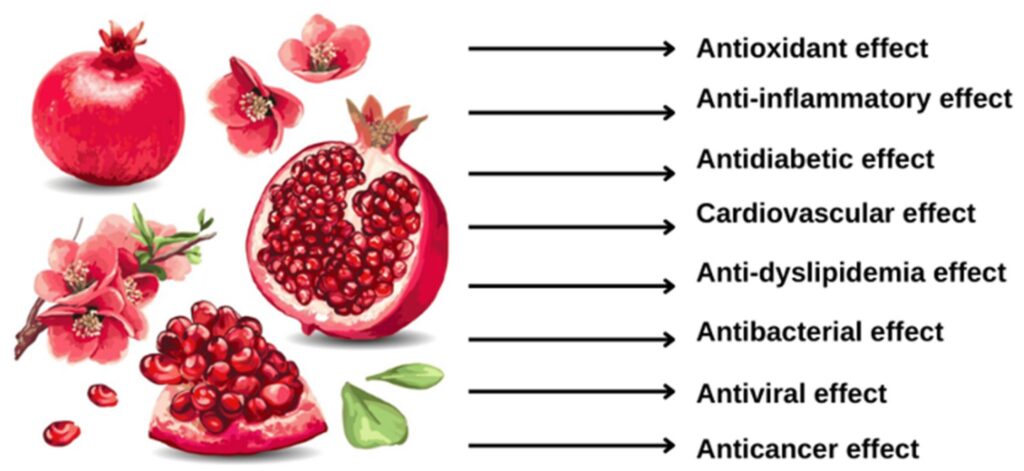
Pomegranates boast remarkable diuretic properties, and contain high amounts of antioxidants that counteract cell aging (radicals are destroyed) and play a significant role in cancer prevention. Pomegranate seeds are rich in potassium, a mineral that helps regulate blood pressure, aids in detoxifying the body, and plays a crucial role in kidney function.
The nutritional benefits of pomegranates are numerous, including:
- High antioxidant content
- Rich in vitamins B, C, and E
- Good source of minerals like calcium, iron, magnesium, phosphorus, potassium, sodium, zinc, and sulfur
- High water content (80% by weight)
- Anti-inflammatory properties
Dietary Properties and Anti-Inflammatory Effects
The pomegranate’s high content of polyphenols helps fight aging and may help prevent cardiovascular diseases and arteriosclerosis. A recent study published in the journal Atherosclerosis found that consuming pomegranates can improve blood cholesterol synthesis and destroy free radicals within the vascular system.
Pomegranates have also been shown to reduce triglyceride levels, making them beneficial for individuals with high cholesterol. The antioxidant content of pomegranates has anti-inflammatory effects, which may help prevent chronic diseases like arthritis, diabetes, and certain types of cancer.
Nourishment Properties
Like all fruits, pomegranates are rich in water content (80% by weight). This autumn fruit is packed with vitamins B, C, and minerals like calcium, iron, magnesium, phosphorus, potassium, sodium, zinc, and a small amount of sulfur. Here’s the nutritional information for 100 grams of pomeran



