
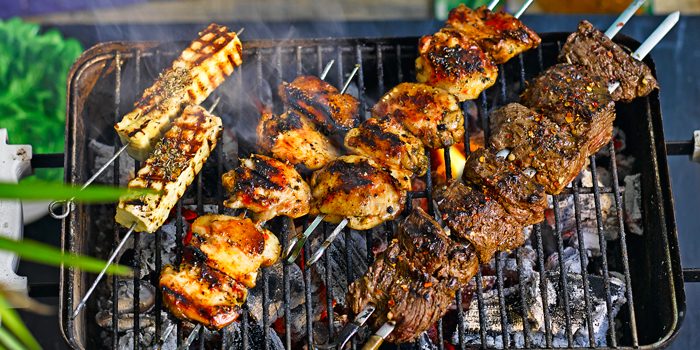
Grilling with friends is a classic summer activity that brings people together and creates lasting memories. However, safety should always be the top priority when firing up the grill. While there are many recipes and cooking guides available, the rules for safe grilling are surprisingly few. In this comprehensive guide, we’ll break down the essentials of safe grilling so you can enjoy your next barbecue without worrying about getting hurt.
Choosing the Right Location
The first step in safe grilling is choosing the right location. This involves positioning your grill away from any flammable materials and structures, such as trees, sheds, or garages. It’s also essential to avoid areas with strong winds that could spread embers or sparks.
When selecting a location for your grill, consider the following factors:
- Distance from buildings: Keep a safe distance of at least 10 feet between the grill and any nearby structures.
- Wind direction: Avoid grilling in areas where strong winds can blow towards you or other flammable materials.
- Plant life: Be mindful of plants that could release pollen, leaves, or sap into the air, contaminating your food.
Some plants to avoid when grilling include:
- Oleander (Nerium oleander)
- Poison ivy (Toxicodendron radicans)
- Poison oak (Toxicodendron diversilobum)
- Ragweed (Ambrosia artemisiifolia)
Preparing the Grill
To start grilling safely, you’ll need to prepare the grill itself. This involves setting up a heat source, such as charcoal or gas, and allowing it to burn for several hours until the coals are white and ash-covered.
Here are some essential steps to follow when preparing your grill:
- Set up the heat source: Choose a high-quality charcoal or gas grill that’s designed for outdoor use.
- Allow the coals to burn: Let the coals burn for at least 30 minutes before adding food to the grill.
- Check the grill grates: Make sure the grill grates are clean and free of debris.
Never add food directly to a hot flame, as this can cause burns and create an unpleasant texture.
Using the Right Fuel
For a safe and efficient grill, you’ll need to use the right fuel. Choose charcoal or gas specifically designed for grilling, and avoid using wood that’s been treated with chemicals or pesticides.
Here are some tips for selecting the right fuel:
- Choose high-quality charcoal: Look for blocks made from sustainably sourced materials and avoid those that contain additives or fillers.
- Opt for eco-friendly options: Consider using bamboo or other biodegradable charcoal starters.
- Avoid treated wood: Don’t use wood that’s been treated with chemicals, pesticides, or other hazardous substances.
Adding Flavor
One common mistake when grilling is adding too many herbs and spices to your food. While it’s tempting to get creative with your marinades and seasonings, be aware that some plants can release toxic compounds when heated.
Here are some tips for safe seasoning:
- Stick to tried-and-true favorites: Choose herbs like rosemary and thyme, which are known for their safety when grilled.
- Avoid unknown or untested ingredients: Don’t use unusual spices or seasonings that you’re not familiar with.
- Use them sparingly: Limit the amount of seasoning you add to your food to avoid overwhelming it.
Common Mistakes to Avoid
Here are some common mistakes to watch out for when grilling safely:
- Using untreated wood: Wood treated with chemicals can produce hazardous emissions when burned.
- Adding too many herbs: Some plants can release toxic compounds when heated, so use them sparingly.
- Not maintaining your grill: Regular cleaning and maintenance can help prevent accidents.
Frequently Asked Questions
Here are some frequently asked questions to keep in mind:
Q: What’s the best way to clean my grill?
A: Clean your grill regularly with a mixture of water and baking soda, and avoid using harsh chemicals or abrasive cleaners.
Q: Can I use my grill indoors?
A: No, it’s not recommended to grill indoors due to fire safety risks and potential for smoke damage.
Q: How often should I replace my charcoal?
A: Charcoal can last for several months if stored properly, but check the expiration date on your packaging to ensure you’re using fresh fuel.
Q: Can I use a gas grill in windy conditions?
A: While it’s possible to use a gas grill in windy conditions, be aware that strong gusts can spread embers or sparks and increase the risk of fire.
Q: What are some safe alternatives to traditional grilling methods?
A: Consider using electric grills, smokers, or indoor grills as alternative cooking methods.
Q: Can I use my grill on a balcony or patio?
A: While it’s possible to use your grill on a balcony or patio, be aware of local fire safety regulations and ensure you’re following proper ventilation guidelines.
Q: How can I prevent accidents when grilling with children?
A: Always supervise children when grilling, teach them about fire safety, and keep a safe distance between the grill and any flammable materials.
By following these tips and best practices, you can enjoy your next barbecue without worrying about getting hurt. Remember to prioritize safety above all else, and always be mindful of potential hazards when firing up the grill.


