
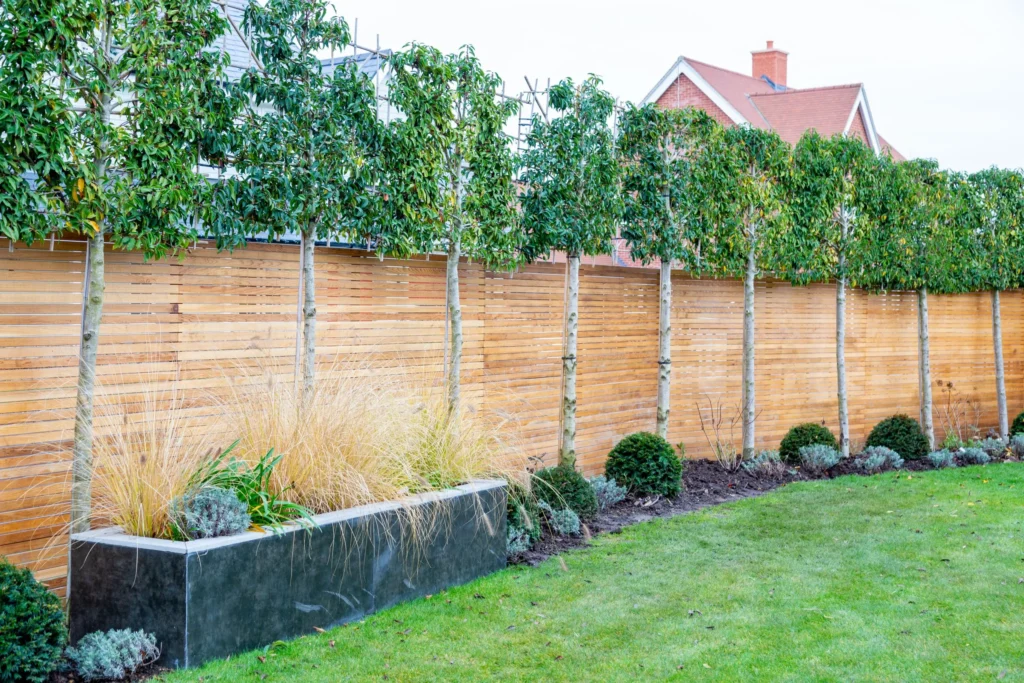
A garden hedge is an ecosystem of great value, especially when placed near an orchard or garden. Garden hedges require human intervention to conserve and form a linear structure, primarily composed of tree-like and bushy vegetation. The importance of hedges in gardens cannot be overstated, as they provide numerous benefits, including aesthetic appeal, privacy, and even habitat creation for wildlife.
In this comprehensive guide, we will delve into the world of garden hedges, exploring their design considerations, maintenance requirements, and the various factors to consider when creating a stunning hedge. Whether you’re a seasoned gardener or just starting out, this article will provide valuable insights and tips to help you create a beautiful garden feature that enhances your outdoor space.
Understanding the Importance of Hedges in Gardens
Hedges have been an integral part of gardening for centuries, serving multiple purposes beyond mere aesthetics. They can be used to:
- Delimit boundaries: Hedges are often used to mark property lines, define spaces, and create a sense of separation between different areas.
- Hide imperfections: Tall hedges can conceal unsightly walls, fences, or other features that detract from the beauty of your garden.
- Create habitat: Hedges provide a home for birds, insects, and small mammals, adding biodiversity to your garden.
- Add shade: Depending on the species used, hedges can offer dappled shade or full canopy coverage, making them an ideal feature for hot summer days.
Factors to Consider When Designing a Hedge
When designing a hedge, several factors come into play, including:
- Height: The height of your hedge will depend on its purpose and the surrounding environment. Generally, hedges are used to conceal imperfections or create a visual barrier.
- Density: The density of tree species is another critical factor to consider. The denser the tree species, the fewer plants are needed per meter of surface area.
- Growth rate: Choose tree species with a growth rate that suits your climate and desired level of maintenance.
- Maintenance needs: Consider the level of pruning, trimming, or other maintenance required to keep your hedge healthy and looking its best.
- Aesthetics: Select tree species and fragrant flowers that complement your garden’s overall design and style.
Choosing the Right Tree Species for Your Hedge
Selecting the right tree species for your hedge is crucial to achieving a beautiful and thriving garden feature. Some popular options include:
- Fagus sylvatica (Fagus): A stunning evergreen with attractive, glossy leaves.
- Hedge trees: Available in logs or as individual plants, these are an excellent choice for creating a formal hedge.
- Lilacs: Fragrant, colorful, and fast-growing, lilacs make an ideal addition to any garden.
When establishing a hedge, it’s essential to plant it in the garden by digging a large planting pit and soaking the soil with warm water. The soil should then be transferred to the planting pit.
Creating a Beautiful Hedge
Designing a beautiful hedge requires careful planning and attention to detail. By understanding the importance of hedges, factors to consider when designing one, and choosing the right tree species, you can create a stunning garden feature that enhances your outdoor space.
Here are some tips for creating a beautiful hedge:
- Consider the overall design: Think about how your hedge will fit into the larger landscape.
- Choose the right plant material: Select tree species and fragrant flowers that complement your garden’s style.
- Plant with care: Digging, planting, and watering are all critical steps in creating a thriving hedge.
In conclusion, a well-designed hedge can add value and beauty to any garden. Whether you’re looking to establish a fragrant or colorful hedge, it’s essential to consider various factors and choose the right tree species for your needs.
Frequently Asked Questions
- What is a hedge in a garden?
A hedge is an ecosystem of great value that can be used to delimit boundaries, hide imperfections, or create a beautiful feature in a garden. - How tall should my hedge be?
The height of your hedge depends on its purpose and the surrounding environment. Generally, hedges are used to conceal imperfections or create a visual barrier. - What factors do I need to consider when designing a hedge?
When designing a hedge, you need to consider factors like tree species, density, growth rate, maintenance needs, and aesthetics. - How often should I maintain my hedge?
Regular maintenance is essential to keep your hedge healthy and looking its best. Prune or trim your hedge seasonally, and inspect it regularly for signs of disease or pests. - Can I use any tree species for my hedge?
No, not all tree species are suitable for hedges. Choose a species that fits your climate, soil type, and desired level of maintenance. - How long does it take to establish a hedge?
The time it takes to establish a hedge depends on the tree species, soil quality, and weather conditions. It can take several years for a hedge to mature and reach its full potential. - Can I plant multiple types of trees together in my hedge?
Yes, but be cautious when mixing different tree species, as they may have conflicting growth patterns or require different maintenance schedules. - How do I choose the right tree species for my climate?
Research tree species that are native to your region and suitable for your local climate. Consult with a gardener or arborist if you’re unsure about the best options for your area.
By following these guidelines and considering the various factors involved, you can create a beautiful garden hedge that enhances your outdoor space and provides numerous benefits for years to come.


