
The Cannabis Conundrum: Unpacking the UN’s New Stance
As a global community, we’ve been watching with bated breath as the United Nations (UN) has taken a significant step towards acknowledging the therapeutic potential of cannabis. This groundbreaking move is set to have far-reaching implications for the medical industry, governments, and individuals worldwide.
Understanding the Commission on Narcotic Drugs (CND)
The CND, a specialized UN commission tasked with assessing the value of cannabis, has been examining the substance since January 2019. After hearing from over 600 experts representing 100 countries, the CND issued its findings in December 2020. This decision marks a significant shift in the way cannabis is perceived and treated.
A Shift in Perspective
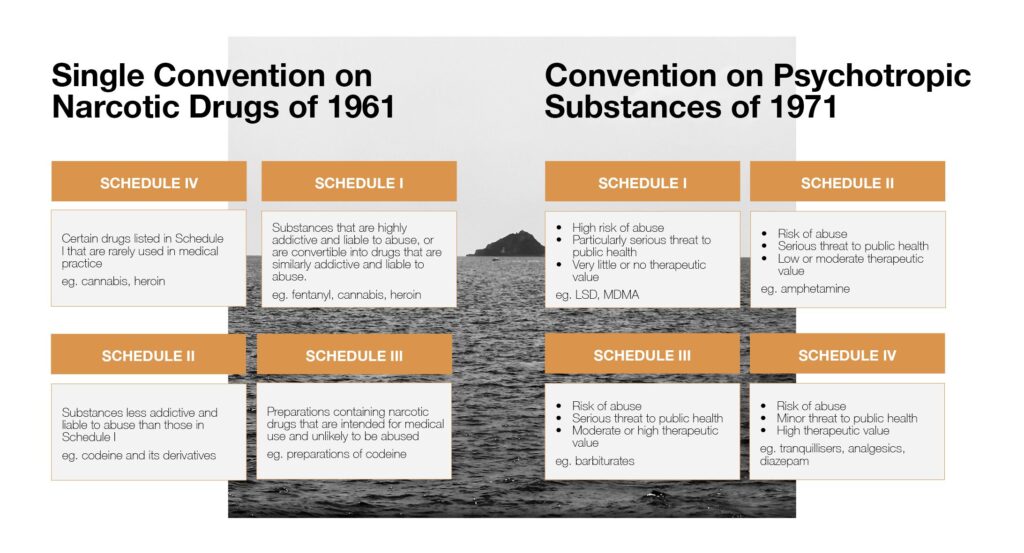
Prior to this announcement, cannabis was classified under Schedule IV of the 1961 Convention, alongside substances deemed harmful to health with no therapeutic benefits. However, extensive scientific research has challenged this classification. The CND’s decision acknowledges the substantial evidence supporting cannabis’ medicinal properties.
Breaking Down the Consequences
The CND’s recommendations will have a profound impact on countries worldwide:
- Legislative Changes: Countries will need to update their laws and regulations to reflect the new classification.
- Increased Research and Production: Governments are expected to promote research, production, and distribution of cannabis-based products for medicinal purposes.
- Medical Applications: Healthcare professionals will require training to utilize cannabis therapeutically.
A Path Forward
While the road ahead is uncertain, this development marks a significant step towards a more nuanced understanding of cannabis. By embracing scientific evidence, we can begin to break down barriers and challenge outdated stigmas surrounding this substance.
The Future of Cannabis Regulation
As countries navigate this new landscape, it’s essential to consider the following factors:
- International Cooperation: Collaboration among nations will be crucial in harmonizing laws, regulations, and research efforts.
- Regulatory Frameworks: Governments must establish clear guidelines for the development, testing, and distribution of cannabis-based products.
- Public Education: Educational campaigns will help raise awareness about the potential benefits and risks associated with cannabis use.
The Economic Impact
The UN’s decision is likely to have a significant economic impact on countries worldwide. The global cannabis market is projected to reach $73 billion by 2027, with the medical sector accounting for a substantial portion of this growth. As regulations become more favorable, companies will be incentivized to invest in research and development, leading to new product innovations and job creation.
The Social Impact
Beyond the economic benefits, this decision has the potential to improve public health and reduce stigma surrounding cannabis use. By acknowledging its therapeutic potential, we can begin to address the social determinants of health, including access to healthcare services, education, and employment opportunities.
Challenges Ahead
While there are many reasons to be optimistic about this development, there are also challenges ahead:
- Stigma and Misinformation: Despite progress, stigma surrounding cannabis use persists. Educational campaigns will be essential in addressing these misconceptions.
- Regulatory Hurdles: Implementing new regulations will require significant resources and infrastructure.
- Balancing Safety and Access: Ensuring safe access to cannabis-based products while minimizing the risk of misuse or overuse will be a top priority.
Conclusion
The UN’s decision marks a significant turning point in the history of cannabis. As countries navigate this new landscape, it’s essential to prioritize international cooperation, regulatory frameworks, and public education. By embracing scientific evidence and challenging outdated stigmas, we can unlock the full potential of cannabis and create a more equitable, just society for all.
Key Takeaways:
- The UN’s Commission on Narcotic Drugs has reclassified cannabis based on substantial scientific evidence.
- This shift in perspective will have far-reaching implications for the medical industry, governments, and individuals worldwide.
- Countries will need to update their laws and regulations to reflect the new classification.
- Increased research and production of cannabis-based products are expected.
Frequently Asked Questions:
- What is the UN’s stance on cannabis?
- The Commission on Narcotic Drugs has reclassified cannabis based on substantial scientific evidence, acknowledging its therapeutic potential.
- How will this decision impact countries worldwide?
- Countries will need to update their laws and regulations to reflect the new classification, leading to increased research, production, and distribution of cannabis-based products for medicinal purposes.
- What medical applications can be expected as a result of this decision?
- Healthcare professionals will require training to utilize cannabis therapeutically for conditions such as chronic pain management.
- What is the significance of this decision in the context of global healthcare?
- This development marks a significant step towards a more nuanced understanding of cannabis, highlighting the importance of scientific evidence in shaping public policy.
-
How can individuals and communities benefit from this new classification?
- As research and production increase, there will be greater access to cannabis-based products for medicinal purposes, providing potential relief for individuals suffering from various conditions.
-
What role do you think international cooperation will play in implementing these changes?
- Collaboration among countries and global organizations will be crucial in harmonizing laws, regulations, and research efforts.
- Are there any concerns about the potential misuse or overuse of cannabis?
- As with any substance, it’s essential to address concerns around potential misuse or overuse. This may involve implementing strict regulations, education campaigns, and access controls.
- What does this decision mean for the future of medical research in the cannabis industry?
- The UN’s acknowledgment of cannabis’ therapeutic potential opens up new avenues for research, potentially leading to breakthroughs in various fields, such as pain management, anxiety disorders, and more.


