
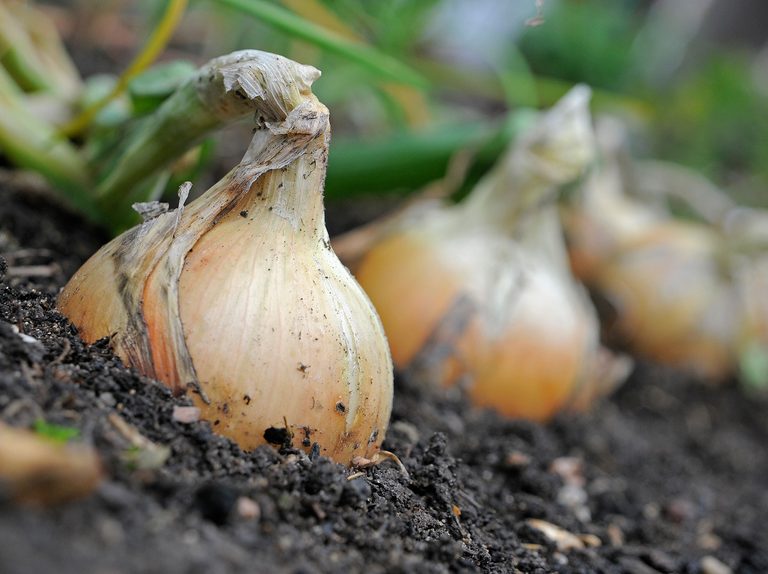
Growing garlic is a rewarding experience that can add flavor and nutrition to your meals. With minimal space requirements, garlic is an ideal crop for home gardeners. In this article, we’ll explore the basics of growing garlic, from preparing the soil to harvesting the bulbs.
Understanding Garlic Requirements
Before planting garlic, it’s essential to understand its needs. Garlic requires well-draining soil with a pH between 6.0 and 7.0. It also needs full sun to partial shade and moderate temperatures. The ideal temperature for growing garlic is between 60°F (15°C) and 90°F (32°C), although some varieties can tolerate warmer or cooler conditions.
Preparing the Soil
To create an ideal environment for garlic growth, you’ll need to prepare the soil. Here are some steps to follow:
- Use a garden fork or spade: Loosen the top layer of soil to a depth of 8-10 inches.
- Add organic matter: Incorporate compost or well-rotted manure to improve soil fertility and drainage.
- Remove debris: Clear the area of any rocks, twigs, or other debris.
Planting Garlic
Now that your soil is ready, it’s time to plant garlic. Follow these steps:
- Choose the right variety: Select a garlic variety that suits your climate and desired flavor profile.
- Separate the cloves: Separate the cloves from each other, making sure they’re not touching.
- Plant at the right depth: Plant the cloves 4-6 inches deep, with the pointed end facing upwards.
- Space correctly: Space the cloves 4-6 inches apart, depending on the variety.
Watering and Fertilization
After planting garlic, it’s crucial to provide adequate water and nutrients. Here are some tips:
- Water regularly: Keep the soil consistently moist during the first few weeks after planting.
- Fertilize with an organic fertilizer: Use a balanced fertilizer that’s high in phosphorus, such as bone meal or alfalfa meal.
- Avoid over-fertilizing: Garlic doesn’t require a lot of fertilizer, so avoid over-fertilizing to prevent damage.
Controlling Pests and Diseases
As your garlic plants grow, they may be susceptible to pests and diseases. Here are some common issues to watch out for:
- Tulips fly: These tiny flies can cause damage to garlic bulbs.
- Garlic mites: These tiny insects can infest garlic leaves.
- Root rot: This disease can cause the bulb to rot, leading to poor growth and reduced yields.
Harvesting Garlic
After the recommended harvest period, it’s time to pull up your garlic plants. Here are some tips:
- Wait for the right time: Wait until the tops of the plants have turned yellow and fallen over.
- Dig carefully: Carefully dig around the plants with a fork or spade.
- Lift bulbs out of soil: Lift the bulbs out of the soil, taking care not to damage them.
Tips for Harvesting Garlic
- Harvest in the fall: In cooler climates, garlic is typically harvested in the fall, when the tops have turned yellow and fallen over. In warmer climates, it’s often harvested in the spring.
- Use a garden fork: Use a garden fork to gently lift the bulbs out of the soil, taking care not to damage them.
- Store correctly: Store the garlic bulbs in a cool, dry place with good air circulation.
Common Garlic Varieties
There are many different types of garlic, each with its own unique characteristics and flavor profiles. Here are some common varieties:
- Silverskin: A mild-flavored variety that’s great for cooking.
- Creole: A strong-flavored variety that’s commonly used in Cajun and Creole cuisine.
- Rocambole: A flavorful variety that’s known for its deep red skin.
Garlic Growing Tips
Here are some additional tips to help you grow garlic successfully:
- Rotate crops: Rotate your garlic crop every year to avoid depleting the soil of nutrients.
- Use companion planting: Plant garlic alongside other plants, such as onions and carrots, to improve their growth and flavor.
- Mulch around the plants: Mulch around the garlic plants to retain moisture and suppress weeds.
Conclusion
Growing garlic can be a rewarding experience, but it requires attention to detail and proper care. By following these steps and tips, you’ll be able to grow delicious and healthy garlic at home.
Frequently Asked Questions
- What is the best time of year to plant garlic?
- Garlic should be planted in the fall or early spring, depending on your location.
- How often do I need to water my garlic plants?
- Keep the soil consistently moist during the first few weeks after planting, then reduce watering as the plants grow.
- Can I use synthetic fertilizers instead of organic ones?
- No, it’s recommended to use organic fertilizers for garlic cultivation.
- How long does it take for garlic to mature?
- Garlic typically takes 6-9 months to mature after planting.
5. What are the most common pests that affect garlic?
* Tulips fly: These tiny flies can cause damage to garlic bulbs.
* Garlic mites: These tiny insects can infest garlic leaves.
* Root rot: This disease can cause the bulb to rot, leading to poor growth and reduced yields.
6. How do I prevent garlic from flowering?
* Remove flower stalks: Remove the flower stalks as soon as they appear to direct the plant’s energy towards bulb formation.
7. What is the best way to store harvested garlic bulbs?
* Store the bulbs in a cool, dry place with good air circulation.
8. How do I handle garlic sprouts during harvest?
* If the sprouts are unwanted, trim them off at the base of the bulb before storing or using.
Garlic is a versatile ingredient that can be used in a variety of dishes, from soups and stews to sauces and marinades. With its rich flavor and numerous health benefits, it’s no wonder garlic has become a staple in many cuisines around the world.


