
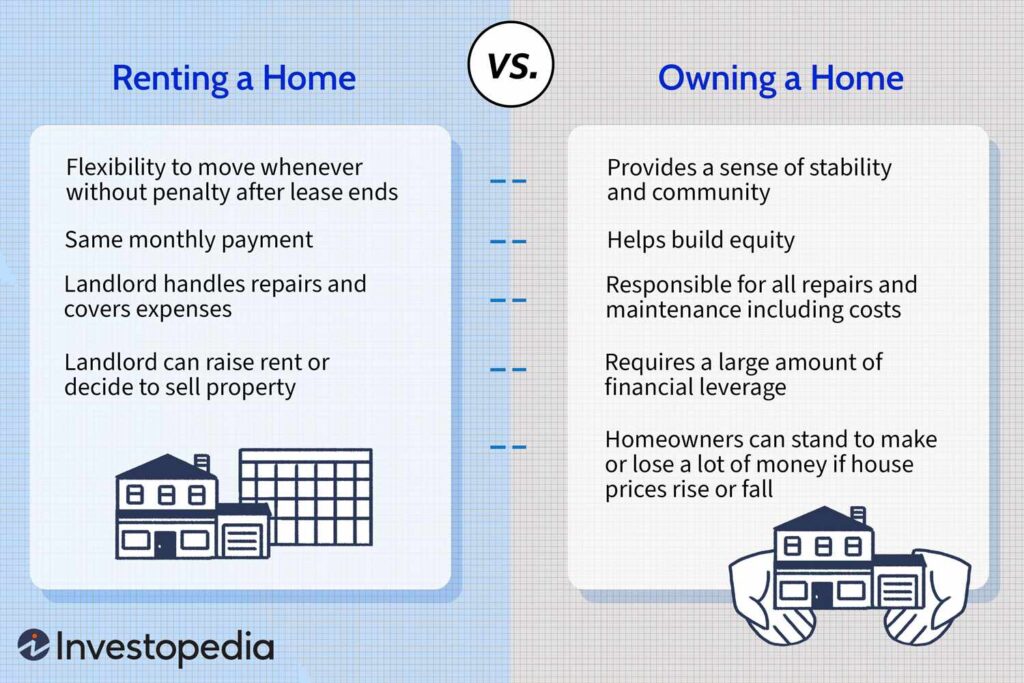
When renting out a property, it’s essential to know exactly who is responsible for which expenses. In this article, we’ll delve into the various costs associated with renting a home, including taxes, fees, and maintenance, and explore who bears the burden.
Normative Framework
The law governing the allocation of costs between landlords and tenants is outlined in the Equity Rent Code (Legge sull’equo canone) No. 392 of July 27, 1978. This legislation has undergone partial abrogation with the introduction of Decree No. 431 of 1998. The full extent of these regulations can be found within the framework of the Italian Civil Code, specifically in articles 1571-1614.
Free-Canone Contracts
In cases where a landlord and tenant have agreed to a free-canone contract, they are free to negotiate their own arrangements regarding expenses. However, this approach often leads to confusion and disputes. In such instances, the parties should ensure that their agreement is clear, concise, and specific.
The Role of the Code Civile
Article 1576 of the Italian Civil Code states: “During the tenancy period, the landlord must carry out all necessary repairs, except for those minor maintenance tasks that are the responsibility of the tenant.” This article raises several questions regarding what constitutes ‘necessary’ or ‘important’ repairs.
Guidelines on Repairs
The courts have established guidelines to help resolve disputes over repair costs. These include:
- Maintenance of electrical systems
- Caldaia maintenance (heating system)
- Systemic maintenance for heating
- Structural protection
If an urgent repair is required, the tenant may assume the expense and seek reimbursement from the landlord. Article 1577 of the Code Civile emphasizes the need for the tenant to inform the landlord about impending repairs.
Specific Costs: Tasi, Tari, Imu, and Condominio
Now let’s explore specific costs associated with renting a property:
- Tasi: A tax on invisible services (e.g., street lighting, garden cleaning). This is charged by the municipality to property owners, not tenants.
- Tari: A waste management fee. Tenants are responsible for paying this, as it’s based on their usage of the property.
- Imu: Property tax. The landlord is typically responsible for paying this, although there may be reduced rates available under certain circumstances.
- Condominio: Expenses related to shared areas (e.g., maintenance costs). These can vary depending on the agreement between the parties involved in the rental contract.
Common Misconceptions
There are several common misconceptions regarding expenses associated with renting a property. For instance, it’s often assumed that the tenant is solely responsible for all expenditures, including those related to shared areas. However, this may not always be the case.
Potential Consequences of Non-Payment
If a tenant fails to pay their share of expenses, they may face consequences such as:
- The administrator contacting the landlord to settle outstanding debts
- The landlord seeking reimbursement from the contractor responsible for unpaid services
- In extreme cases, the contract may be terminated due to non-payment
Who Pays the Amministratore?
The cost of hiring an administrative agent (Amministratore) is typically borne by the property owner.
By understanding who bears responsibility for various expenses associated with renting a property, tenants and landlords can better navigate their contractual obligations and avoid potential conflicts.


