
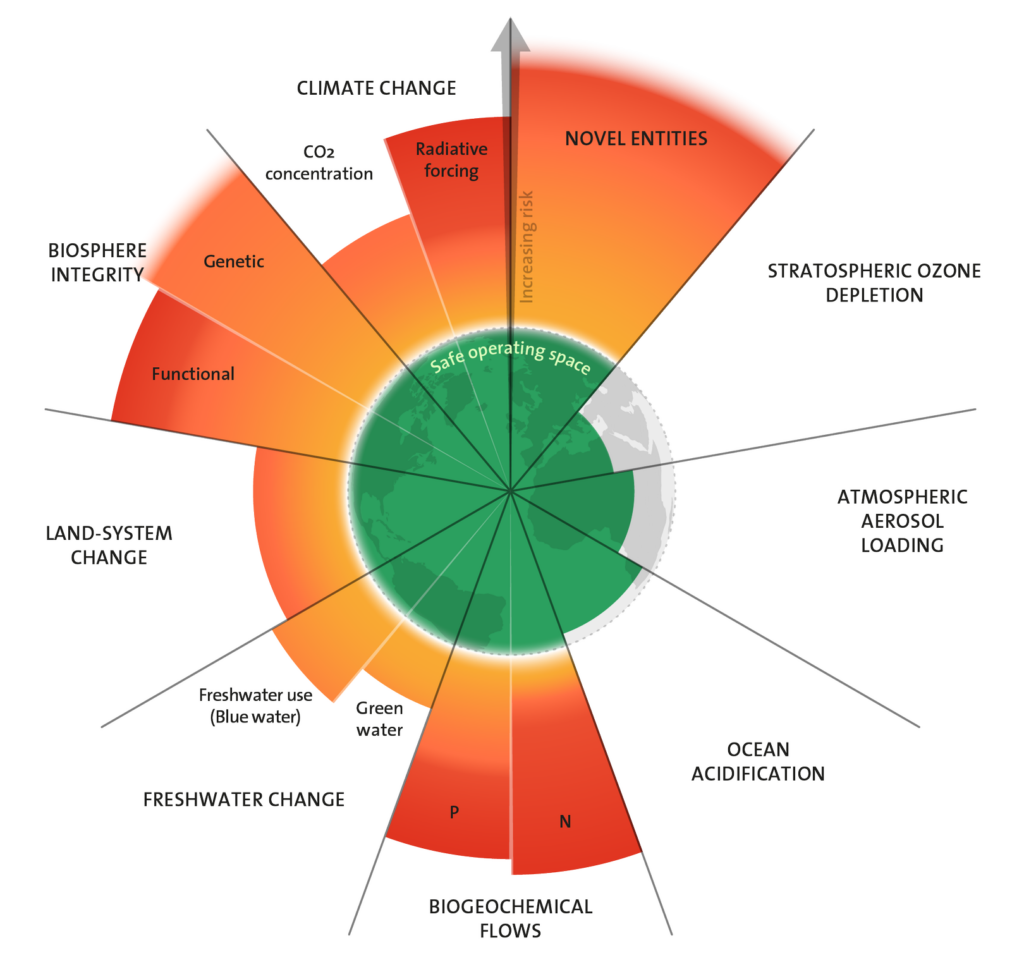
In the latest collaboration between the University of Torino’s Valorizzazione della Ricerca and Public Engagement – Agorà Scienza, and the Green Office UniToGO, a groundbreaking article has been published on the concept of Planetary Boundaries. This innovative approach aims to define the limits beyond which human activities can operate safely without harming the Earth system.
What are Planetary Boundaries?
The concept of Planetary Boundaries was first introduced in 2009 by a team of scientists led by Johan Rockström, Will Steffen, and Jason N. Lowe from the Potsdam Institute for Climate Impact Research (PIK) in Germany. The boundaries are designed to identify the limits beyond which human activities can no longer be sustained without causing harm to the planet.
Why is it Important?
The concept of Planetary Boundaries is crucial because it recognizes that human activities are increasingly affecting the Earth system in ways that threaten its resilience and stability. By identifying these boundaries, we can better understand the risks associated with human activities and take steps to mitigate them.
How do Planetary Boundaries Work?
The framework for Planetary Boundaries identifies seven critical processes that regulate the functioning of the Earth system. These include:
- Climate change: The amount of greenhouse gases in the atmosphere, particularly carbon dioxide, has increased dramatically over the past century, leading to global warming and associated impacts such as sea-level rise, more frequent natural disasters, and changes in precipitation patterns.
- Integrity of the biosphere (loss of biodiversity): Human activities have led to a significant loss of biodiversity, which is essential for maintaining ecosystem services and supporting human well-being.
- Stratospheric ozone depletion: The depletion of the stratospheric ozone layer has significant impacts on human health, as it allows harmful ultraviolet radiation from the sun to reach the Earth’s surface.
- Ocean acidification: The absorption of carbon dioxide by oceans has led to a decrease in pH levels, making it more difficult for marine organisms to build shells and skeletons.
- Biogeochemical flows (e.g., phosphorus and nitrogen): Human activities have altered the natural cycles of nutrients such as phosphorus and nitrogen, which can lead to eutrophication and other environmental problems.
- Terrestrial system changes (land use and land degradation): Human activities such as deforestation, desertification, and soil erosion have led to significant changes in terrestrial ecosystems, with negative impacts on biodiversity and ecosystem services.
- Freshwater use and consumption: The extraction of freshwater for human consumption, agriculture, and industry has raised concerns about the availability and sustainability of this vital resource.
What are the Consequences of Exceeding Planetary Boundaries?
Exceeding these boundaries can have devastating consequences for the Earth system, including:
- Irreversible damage to ecosystems: Once an ecosystem is damaged or degraded, it may never recover.
- Disruption of global food systems: Climate change, ocean acidification, and other Planetary Boundary violations can impact agricultural productivity and lead to food shortages.
- Increased risk of natural disasters: Human activities such as deforestation and land degradation increase the risk of landslides, floods, and other natural disasters.
- Loss of human well-being and prosperity: The impacts of Planetary Boundaries violations can have significant economic, social, and health impacts on human populations.
What is the Role of Societal Decision-Making?
While Planetary Boundaries provides a scientific framework for understanding the risks associated with human activities, it does not dictate how societies should develop. Ultimately, decision-making about sustainable development is a societal responsibility that must consider the needs of both present and future generations.
The Significance of the Research
This research has far-reaching implications for our understanding of the impact of human activities on the Earth system. By identifying the boundaries beyond which human actions can no longer be sustained without causing harm, we can work towards creating a more sustainable future.
Key Takeaways:
- Planetary Boundaries provides a scientific framework for understanding the risks associated with human activities.
- Exceeding these boundaries can have devastating consequences for the Earth system.
- Societal decision-making is critical for creating a more sustainable future.
- The concept of Planetary Boundaries is essential for guiding human development on a changing planet.
Frequently Asked Questions:
- What are the seven critical processes that regulate the functioning of the Earth system?
The seven critical processes are climate change, integrity of the biosphere, stratospheric ozone depletion, ocean acidification, biogeochemical flows, terrestrial system changes, and freshwater use and consumption. - How do Planetary Boundaries work?
Planetary Boundaries identify the limits beyond which human activities can operate safely without causing harm to the Earth system. - What are the consequences of exceeding Planetary Boundaries?
Exceeding these boundaries can lead to irreversible damage to ecosystems, disruption of global food systems, increased risk of natural disasters, and loss of human well-being and prosperity. - How do we balance human needs with environmental protection?
Balancing human needs with environmental protection requires a multi-faceted approach that considers the needs of both present and future generations.
Balancing Human Needs with Environmental Protection
Achieving this balance is essential for creating a sustainable future. Some strategies for balancing human needs with environmental protection include:
- Investing in renewable energy sources to reduce greenhouse gas emissions
- Implementing sustainable agriculture practices to maintain soil fertility and biodiversity
- Protecting and restoring natural habitats such as forests, wetlands, and oceans
- Reducing waste and promoting recycling to minimize the impact of human activities on the environment
The Role of Science in Informing Planetary Boundary Decisions
Science plays a critical role in informing Planetary Boundary decisions by providing a robust framework for understanding the risks associated with human activities. Scientists can help policymakers and decision-makers develop strategies for mitigating the impacts of human activities on the Earth system.
Can We Still Develop Sustainably if We Exceed Some Planetary Boundaries?
While exceeding some boundaries may be unavoidable, it is essential to take steps to mitigate the impacts of these actions on the Earth system. By prioritizing sustainable development and implementing strategies for reducing the impact of human activities, we can work towards creating a more sustainable future.
What are the Implications of Planetary Boundaries for Global Governance and Policy-Making?
Planetary Boundaries has significant implications for global governance and policy-making, as it requires a coordinated effort from governments, businesses, and civil society to address the interconnected challenges facing our planet. Policymakers must consider the needs of both present and future generations when developing policies that promote sustainable development.
Can Individuals Make a Difference in Mitigating the Impacts of Exceeding Planetary Boundaries?
Yes, individuals can make a difference by adopting sustainable lifestyles, supporting organizations that prioritize environmental protection, and advocating for policy changes that promote sustainable development.


