
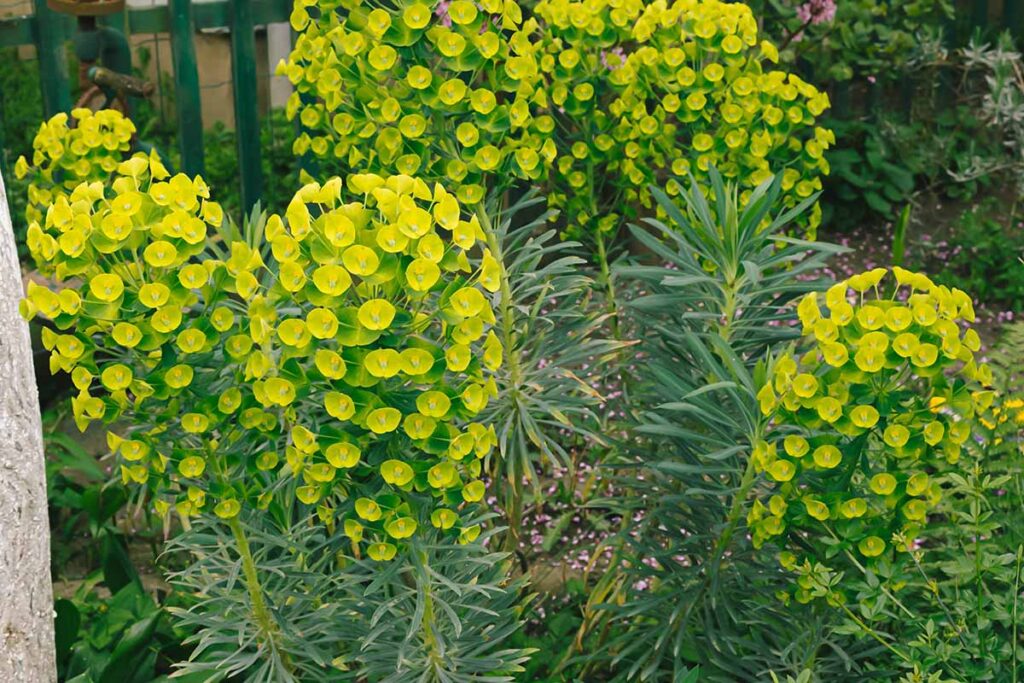
As a gardener, you’re likely familiar with succulents like cacti and aloe vera. However, there’s another group of plants that’s often overlooked yet equally fascinating: euphorbias. With over 1,600 species, these plants come from the Euphorbiaceae family and are found in almost every region of the world. In this article, we’ll delve into the world of euphorbias, exploring their unique characteristics, care requirements, and propagation methods.
What’s in a Name? Uncovering the History behind Euphorbia
The name Euphorbia is derived from the Greek physician Euphorbus, who served as the personal physician to King Juba of Mauritania (now part of Algeria) from 25 BCE to 24 CE. The genus Euphorbia has also one of the oldest botanical names in Latin. Some species of euphoria are common shrubs or perennials, while others, like Euphorbia marginata and Euphorbia heterophylla, are annuals.
Distinguishing Features: How to Tell Cacti from Euphorbias
Many people confuse cacti with euphorbias due to their similarities. However, there are distinct differences between the two. Here are a few key features:
- Latex: Euphorbias produce a milky latex that’s often white or yellowish in color. In contrast, most cacti do not have this characteristic.
- Spines: Euphorbia spines emerge from the stem, whereas cactus spines come from areoles on the plant’s body.
- Inflorescences: The inflorescence of an Euphorbia is a complex structure called a ciathium, which is different from the simple flower clusters found in most cacti.
Caring for Euphorbias: Tips and Tricks
Euphorbias are relatively low-maintenance plants that thrive in bright light and well-draining soil. Here are some additional care tips:
- Lighting: Most euphorbias require direct sunlight, but some species can tolerate partial shade.
- Watering: Euphorbias need infrequent watering, allowing the soil to dry out slightly between waterings.
- Temperature: These plants prefer temperatures between 65°F (18°C) and 75°F (24°C).
- Pruning: Regular pruning helps maintain shape and encourages new growth.
Fascinating Facts about Euphorbia
Euphorbias have evolved unique adaptations to thrive in their environments. Here are some interesting facts:
- Fire resistance: Some species of euphoria can withstand fire without suffering damage.
- Medicinal properties: The latex of certain euphorbias has been used for centuries as a medicine.
- Pollination: Euphorbias have distinct pollination mechanisms, which involve the transfer of pollen between plants.
Propagating Euphorbias: A Step-by-Step Guide
Euphorbias can be propagated through various methods, including:
- Division: Divide mature plants into smaller sections to create new specimens.
- Seed germination: Sow seeds in a well-draining mix, keeping them moist until they germinate.
- Leaf cuttings: Use leaf cuttings to create new plants.
Common Problems and Solutions
Euphorbias are generally free of pests and diseases. However, some common issues include:
- Root rot: Overwatering can cause root rot in euphorbias.
- Pests: Acari (mites) and mealybugs are common pests affecting these plants.
Common Euphorbia Species
Here are a few popular species of euphoria that you might find interesting to cultivate:
- Euphorbia marginata: A shrub-like plant with thick, fleshy leaves and small white flowers.
- Euphorbia heterophylla: An annual plant with heart-shaped leaves in shades of green and white.
- Euphorbia trigona: A perennial plant with spiny leaves that grow together to form a triangular shape.
Care for Specific Euphorbia Species
Here are some specific care tips for each of the species mentioned above:
-
Euphorbia marginata:
- Water sparingly, allowing the soil to dry out slightly between waterings.
- Provide full sun to partial shade.
- Prune regularly to maintain shape and encourage new growth.
-
Euphorbia heterophylla:
- Sow seeds in a well-draining mix, keeping them moist until they germinate.
- Water sparingly, allowing the soil to dry out slightly between waterings.
- Provide full sun to partial shade.
-
Euphorbia trigona:
- Prune regularly to maintain shape and encourage new growth.
- Provide well-draining soil and full sun to partial shade.
By following these tips and understanding the unique characteristics of euphorbias, you can create a thriving collection of these fascinating plants.


