
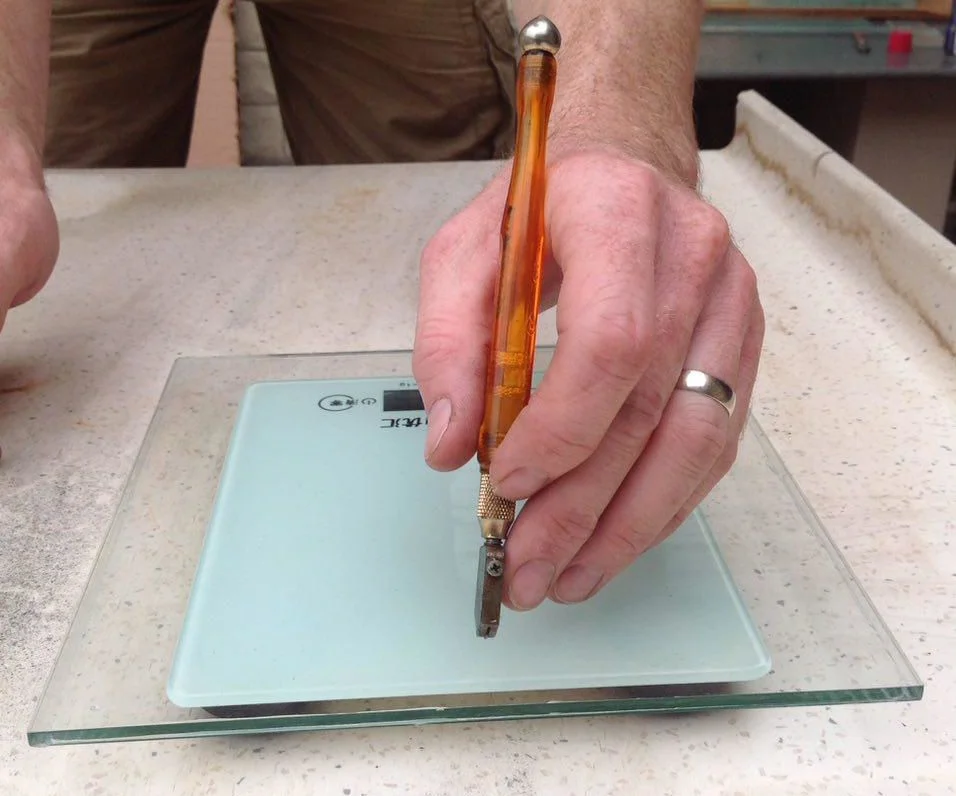
Glass cutting is an art that can be incredibly useful in various aspects of life. From creating beautiful vases to building solar panels, glass cutting offers endless possibilities for DIY enthusiasts and professionals alike. However, many people are hesitant to try their hand at cutting glass due to concerns about its complexity or cost.
In reality, cutting glass is not as daunting a task as some might think. With the right tools and techniques, anyone can learn to cut glass safely and effectively. In this article, we will explore the basics of glass cutting, including the necessary tools, materials, and techniques for achieving professional results.
Why Cut Glass?
Glass cutting offers a wide range of benefits, from creating decorative items to building functional structures like solar panels. By learning how to cut glass, you can unlock new possibilities for your DIY projects and even start a side business selling handmade glass items.
Some common uses for cut glass include:
- Creating vases, candle holders, and other decorative pieces
- Building solar panels, wind turbines, and other renewable energy systems
- Making glass jewelry, decorations, or sculptures
- Repairing broken glass windows or doors
Glass Types: What You Need to Know
Not all glass is created equal when it comes to cutting. Different types of glass require varying levels of skill and equipment.
- Soda-lime glass: This is the most common type of glass, used for bottles, windows, and other household items.
- Borosilicate glass: Known for its high thermal resistance, this type of glass is often used in laboratory equipment and cookware.
- Tempered glass: Also known as toughened glass, this type has been heat-treated to increase its strength and durability.
When choosing a tool for cutting glass, it’s essential to consider the type of glass you’ll be working with. For example, a diamond-coated saw blade is ideal for cutting soda-lime glass, while a ceramic tile cutter may be more suitable for tempered or borosilicate glass.
Tools and Materials Needed
To get started with glass cutting, you’ll need the following tools and materials:
- Glass cutter: This is the most essential tool for cutting glass. There are two main types: diamond-coated and ceramic tile cutters.
- Breaking pliers: These are used to snap the glass along the cutting line, releasing tension.
- Safety gear: Always wear safety goggles, gloves, and a dust mask when working with glass.
- Work surface: A sturdy work surface is crucial for preventing accidents and ensuring accurate cuts.
- Cleaning supplies: Keep your tools and workspace clean to prevent contamination and damage.
Step-by-Step Guide to Cutting Glass
Cutting glass requires patience, attention to detail, and the right techniques. Here’s a step-by-step guide to help you get started:
- Clean the glass: Ensure the glass is free from dirt, dust, or other contaminants.
- Mark the cutting line: Use a marker or pencil to mark the desired cutting line on the glass.
- Apply the saw blade: Place the saw blade along the marked line and apply gentle pressure.
- Cutting process: Slowly move the saw blade along the cutting line, maintaining even pressure and control.
- Breaking the glass: Once you’ve completed the cut, use breaking pliers to snap the glass along the cutting line.
Tips and Tricks
Here are some additional tips and tricks to help you improve your glass-cutting skills:
- Practice makes perfect: The more you practice cutting glass, the more comfortable and confident you’ll become.
- Use the right tools: Invest in high-quality tools specifically designed for glass cutting to ensure accuracy and safety.
- Work slowly and carefully: Rushing through the process can lead to accidents and poor results.
- Keep your workspace clean: Regularly cleaning your tools and workspace will help prevent contamination and damage.
Advanced Techniques
Once you’ve mastered the basics of glass cutting, it’s time to explore more advanced techniques. These include:
- Diamond blade cutting: This method uses a diamond-coated saw blade for precise cuts in soda-lime glass.
- Ceramic tile cutting: This technique is ideal for tempered or borosilicate glass and requires specialized tools.
- Laser cutting: This method uses a high-powered laser to cut through glass with incredible precision.
Safety Precautions
When working with glass, safety should always be your top priority. Here are some essential safety precautions to keep in mind:
- Always wear protective gear, including safety goggles and gloves.
- Keep your workspace clean and well-ventilated to prevent contamination and inhalation of dust.
- Use proper lifting techniques to avoid strains and injuries.
Conclusion
Glass cutting is an art that requires patience, practice, and attention to detail. With the right tools, techniques, and materials, anyone can learn to cut glass safely and effectively. Whether you’re a DIY enthusiast or a professional craftsman, this comprehensive guide has provided you with the knowledge and confidence to start your next project.
Frequently Asked Questions
- What’s the best tool for cutting glass?: The choice of tool depends on the type of glass and personal preference.
- How do I avoid accidents when cutting glass?: Always wear safety gear, maintain a clean workspace, and work slowly and carefully.
- Can I use any type of glass cutter?: No, different types of glass require specific cutters designed for their unique properties.
- What’s the best way to store glass cutters?: Keep them in a dry place, away from direct sunlight or moisture.
- How do I clean my glass cutting tools?: Regularly wipe down your tools with a damp cloth and mild soap.
Cutting glass is an art that can bring endless possibilities for creativity and DIY projects. With the right tools, techniques, and materials, anyone can learn to cut glass safely and effectively.


