
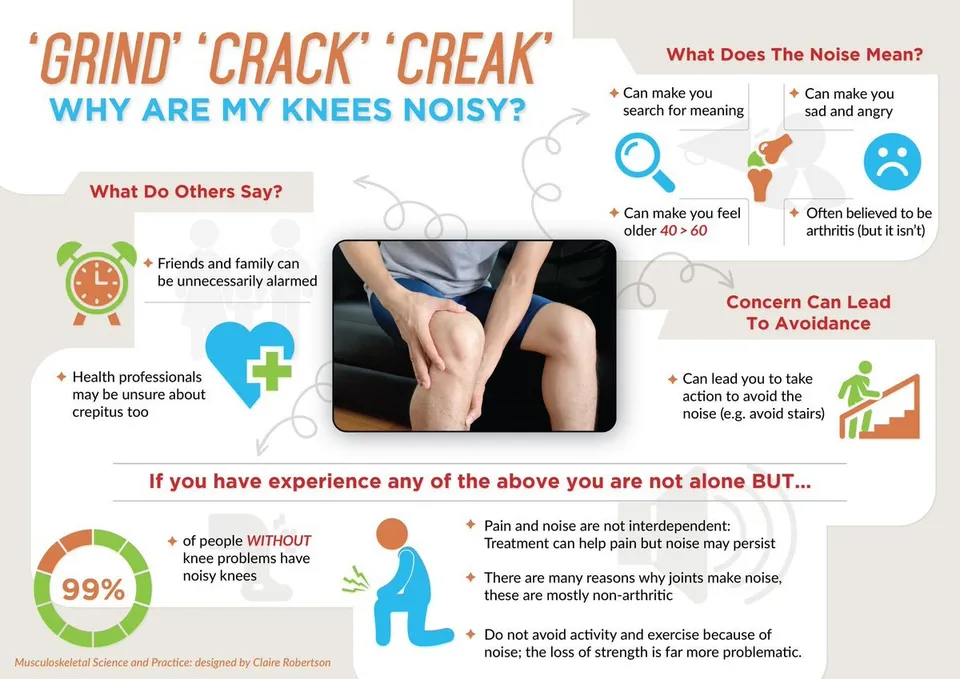
Have you ever been sitting or standing for a long time, only to hear a faint clicking sound coming from your knees? It’s a common phenomenon that can be both annoying and concerning. In this article, we’ll delve into the causes of knee clicking, explore possible solutions, and discuss what you should do if you’re experiencing persistent pain.
What Causes Knee Clicking?
Knee clicking is often caused by the joint surface interacting with each other as they move. The sound is usually a result of the bones grinding against each other due to improper alignment or misalignment of the knee joint. This can be exacerbated by factors such as:
- Posture issues: A poor posture can lead to uneven distribution of weight, putting additional pressure on the joints and causing clicking sounds.
- Muscle imbalances: Weak or tight muscles in the thigh, hip, or calf can contribute to misalignment and lead to knee clicking.
When Should You Seek Medical Attention?
While knee clicking is often harmless, there are situations where you should consult a medical professional:
- Persistent pain: If you experience persistent pain or discomfort in your knees, even if it’s accompanied by the clicking sound.
- Swelling or redness: If you notice swelling or redness around the affected knee joint.
- Inability to walk: If the clicking noise is so loud that it interferes with your ability to walk.
Knee Clicking: A Sign of Underlying Issues?
While knee clicking can be a symptom of underlying issues, it’s not always a cause for concern. However, ignoring the issue or trying to self-treat it may lead to more severe problems down the line.
How to Treat Knee Clicking
Fortunately, there are several ways to treat knee clicking:
- Physical therapy: A physical therapist can help you identify and address any muscle imbalances or postural issues contributing to the clicking sound.
- Strengthening exercises: Engage in strengthening exercises for your thigh, hip, and calf muscles to improve joint stability.
- Posture correction: Make adjustments to your posture to reduce pressure on the joints.
The Importance of Proper Alignment
Proper alignment is crucial in reducing knee clicking:
- Gait analysis: A gait analysis can help identify any issues with your walking pattern, which may be contributing to the clicking sound.
- Exercise routine: Incorporate exercises that strengthen your core and improve your overall posture.
The Role of Orthotics
Orthotics, such as shoe inserts or insoles, can play a role in reducing knee clicking:
- Customized orthotics: Custom-made orthotics can help redistribute pressure and alleviate strain on the joints.
- Over-the-counter options: Over-the-counter orthotics may also be available for those who prefer not to consult a doctor.
Common Knee Clicking Causes
Some common causes of knee clicking include:
- Patellar tracking problems: The patella (kneecap) may not track properly, causing the bones in the knee joint to rub against each other.
- Meniscal tears: Tears in the meniscus can cause clicking sounds as the torn cartilage moves within the joint.
- Bone spurs: Bone growths on the edges of bones in the knee joint can cause clicking sounds.
Understanding Knee Joint Anatomy
Understanding the anatomy of the knee joint is essential for addressing knee clicking:
- Bones: The knee joint consists of two main bones, the femur (thigh bone) and the tibia (shin bone), which meet at a hinge joint.
- Ligaments: Ligaments are strong bands of tissue that connect bones to each other, providing stability to the joint.
Nutritional Factors
Certain nutritional factors can contribute to knee clicking:
- Protein intake: Adequate protein intake is essential for maintaining healthy muscles and joints.
- Calcium intake: Calcium is crucial for maintaining bone health, which can help reduce knee clicking.
Supplements and Nutrients
Some supplements and nutrients may help alleviate knee clicking:
- Glucosamine and chondroitin: These two compounds have anti-inflammatory properties that can help soothe joint pain.
- Omega-3 fatty acids: Omega-3 fatty acids have anti-inflammatory properties that can help reduce joint pain.
Lifestyle Changes
Making lifestyle changes can help alleviate knee clicking:
- Regular exercise: Regular physical activity, such as walking or cycling, can help strengthen the muscles around the knee joint and improve joint stability.
- Maintaining a healthy weight: Maintaining a healthy weight can reduce pressure on the joints and alleviate knee clicking.
Conclusion
Knee clicking is a common phenomenon that can be both annoying and concerning. By understanding the causes of knee clicking, you can take steps to address any underlying issues. Consult with a medical professional if you’re experiencing persistent pain or discomfort in your knees. With proper treatment and care, you can reduce the likelihood of more severe problems down the line.
Frequently Asked Questions
- What is the difference between knee clicking and knee cracking?
Knee clicking is typically a softer sound compared to knee cracking. - Can I self-treat knee clicking?
While some minor cases may be treated at home, it’s recommended to consult with a medical professional for proper diagnosis and treatment. - Is knee clicking a sign of arthritis?
Knee clicking can be associated with arthritis, but it’s not always a direct cause. - How often should I see a doctor if I’m experiencing knee clicking?
If you’re experiencing persistent pain or discomfort, consider consulting a medical professional for proper evaluation and treatment.
Consulting with a healthcare professional can help determine the best course of action to address your specific situation.
Additional Resources
- American Academy of Orthopaedic Surgeons (AAOS) – www.aaos.org
- Arthritis Foundation – www.arthritis.org
Please consult with a healthcare professional for personalized advice and treatment.


