
Introduction
As a lover of indoor plants, you’re probably always on the lookout for new additions to your collection. One such plant that has gained popularity in recent years is the setcreasea, a perennial herbaceous plant native to Mexico. In this article, we’ll delve into the characteristics, cultivation, and care requirements of setcreasea, helping you to bring this beautiful plant into your home.
What is Setcreasea?
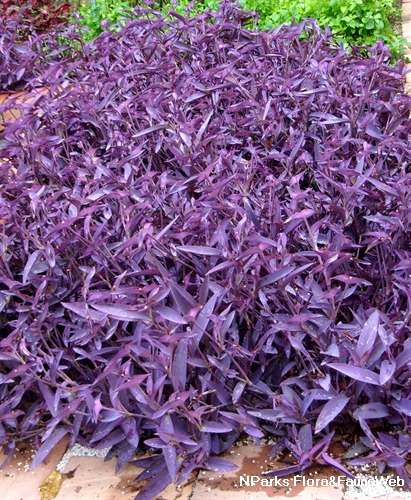
Setcreasea belongs to the family Commelinaceae and is characterized by its short and resistant root system, fascicated roots. The aerial part consists of numerous erect or creeping stems with lance-shaped leaves arranged in spiral fashion all around the stem, displaying an intense blue-violet color. These fleshy leaves can grow up to 10 cm long and are covered with a thin down of white peluria, especially on the margins and nodes.
Characteristics of Setcreasea
To understand how to care for setcreasea, it’s essential to know its characteristics. Some key features include:
- Short and resistant root system
- Lance-shaped leaves with blue-violet color
- Fleshy leaves covered with white peluria
- Erect or creeping stems
- Abundant flowering from spring to autumn
Ideal Exposure of the Plant
Setcreasea does not tolerate extreme cold temperatures below -5 degrees. To protect your plant, ensure it’s kept away from frost, especially in northern territories.
Terrestrial Soil for Setcreasea
The plant doesn’t require special soil; a mixture of peat with coarse sand (2:2:1) will suffice. Add an acidic, alkaline or neutral soil, and refresh the soil at the beginning of spring using a fertilizer rich in macro-elements like nitrogen, phosphorus, and potassium.
How to Grow Setcreasea
To grow setcreasea, follow these simple yet practical tips:
- Provide ideal exposure by keeping it away from frost
- Use terrestrial soil with peat and coarse sand mixture
- Water abundantly during the hottest period of the year, reducing irrigation in winter
Propagation of Setcreasea
Propagating setcreasea is easy using cutting. Take basal stems, cut them off under a node, dry for a few hours, and transplant into a small container made of peat and sand. The new plants will root within a few days.
Pruning of Setcreasea
To keep your setcreasea healthy, prune it regularly:
- Remove examples with irregular appearance
- Trim all stems from the first node to give them strength back
Pests and Diseases of Setcreasea
Setcreasea is resistant to common pests and aphids. However, it may suffer in poorly illuminated zones with low temperatures.
Curiosities about the Plant
To maintain the intense blue color of the foliage, provide full light, avoiding direct sunlight rays. In cases of scarce illumination, your herbaceous plant will not bloom.
Air Purification
Setcreasea is useful for purifying the air if placed in environments contaminated with organic pollutants.
Benefits of Setcreasea
- Removes toxins from indoor air
- Low maintenance and easy to care for
- Beautiful blue-violet leaves that can add elegance to any room
- Can be grown indoors or outdoors, making it a versatile plant
Common Problems in Setcreasea
Some common problems that may arise when growing setcreasea include:
- Yellowing leaves: Caused by overwatering or underwatering. Adjust the watering schedule accordingly.
- Leaf drop: May occur due to cold temperatures or lack of humidity. Protect your plant from frost and maintain a humid environment.
Tips for Growing Setcreasea
- Provide enough light: Setcreasea requires full light, but direct sunlight rays should be avoided.
- Water correctly: Water abundantly during the hottest period of the year, reducing irrigation in winter.
- Maintain humidity: Keep the plant away from drafts and maintain a humid environment to prevent leaf drop.
- Fertilize regularly: Use a fertilizer rich in macro-elements like nitrogen, phosphorus, and potassium to promote healthy growth.
Varieties of Setcreasea
There are several varieties of setcreasea available, including:
- ‘Blue Mist’: This variety is characterized by its intense blue-violet leaves.
- ‘Wine Glass’: This variety has leaves with a bluish-purple color with white edges.
- ‘Fasciculate’: This variety has fascicated roots and upright stems.
Conclusion
In conclusion, setcreasea is a beautiful and low-maintenance indoor plant that can add elegance to any room. By understanding its characteristics, cultivation requirements, and care needs, you’ll be well on your way to growing this stunning plant.
Frequently Asked Questions
- Q: Can I grow setcreasea outdoors?
A: Setcreasea prefers protected environments with full light, avoiding direct sunlight rays. - Q: How often should I water my setcreasea?
A: Water abundantly during the hottest period of the year, reducing irrigation in winter. - Q: Can I propagate setcreasea using seeds?
A: Setcreasea can be propagated using cutting, not seeds. - Q: What type of soil does setcreasea prefer?
A: A mixture of peat with coarse sand (2:2:1) will suffice. - Q: How often should I prune my setcreasea?
A: Prune regularly to keep your plant healthy and prevent irregular growth. - Q: Is setcreasea toxic to humans or pets?
A: Setcreasea is non-toxic to humans and pets. - Q: Can I grow multiple plants together?
A: Yes, but ensure they have sufficient space and light. - Q: How long does it take for setcreasea to bloom?
A: Abundant flowering occurs from spring to autumn, typically within 2-3 years after propagation.
Care Tips for Specific Lighting Conditions
- Low Light: Setcreasea may not bloom if placed in low-light conditions. Consider using grow lights to provide the necessary light.
- Medium Light: Provide full light, but avoid direct sunlight rays.
- High Light: Setcreasea prefers high light, but be careful not to scorch the leaves.
Tips for Propagating Setcreasea
- Take basal stems: Take cutting from the base of the plant, just above a node.
- Dry the cut ends: Dry the cut ends of the stem for a few hours before transplanting.
- Transplant into small containers: Transplant the new plants into small containers made of peat and sand.
Common Mistakes to Avoid
- Overwatering: Setcreasea is sensitive to overwatering, which can cause yellowing leaves.
- Underwatering: Underwatering can cause leaf drop and reduced growth.
- Lack of humidity: Setcreasea prefers a humid environment, especially during the winter months.
By following these tips and guidelines, you’ll be well on your way to becoming a setcreasea expert and enjoying the beauty of this stunning plant in your home.


