
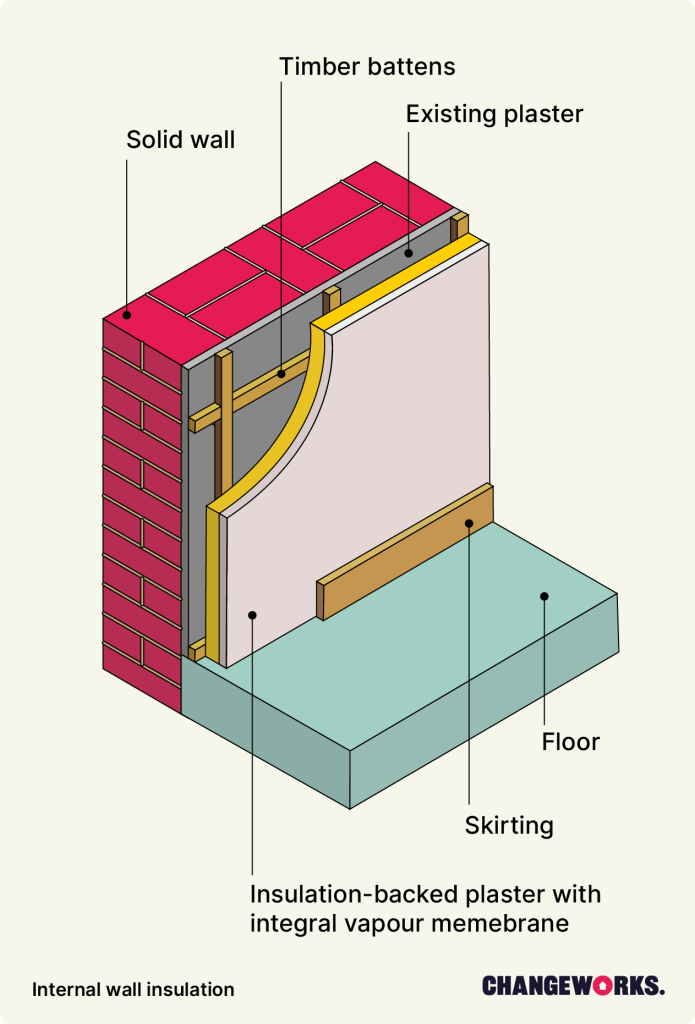
As a homeowner, you may have come across the term “internal thermal insulation” (ITI) while researching ways to improve your home’s energy efficiency. However, it’s essential to understand the pros and cons of ITI before making any decisions. In this article, we’ll delve into the world of internal thermal insulation, exploring its benefits, drawbacks, and what you need to know to make an informed decision.
What is Internal Thermal Insulation?
Internal thermal insulation refers to the process of adding insulation materials to the interior of your home’s walls, ceilings, and floors. This type of insulation helps reduce heat transfer between the inside and outside of your home, minimizing energy losses and improving comfort levels.
Benefits of Internal Thermal Insulation
While ITI has several benefits, it also comes with some drawbacks. Let’s weigh the pros and cons:
- Economic benefits: ITI can save you money in the long run by reducing energy consumption and lowering utility bills.
- Flexibility: You don’t need to get approval from your neighbors or landlord to install ITI.
- Improved comfort: ITI can help regulate indoor temperatures, making your home feel more comfortable during extreme weather conditions.
However, there are also several drawbacks to consider:
- Structural integrity: Installing ITI may require modifications to your home’s structure, which could compromise its integrity.
- Moisture issues: If not installed correctly, ITI can lead to moisture accumulation, creating an ideal environment for mold and mildew growth.
- Condensation risks: ITI can increase condensation within your walls, potentially leading to structural damage or health problems.
When is Internal Thermal Insulation Necessary?
Before deciding whether ITI is right for you, consider the following scenarios:
- Structural limitations: If your home’s structure prevents external insulation from being installed, ITI may be a viable alternative.
- Noise pollution: If noise from neighboring buildings or traffic is a concern, ITI can help absorb sound and reduce disturbance.
- Low natural ventilation: In homes with poor natural ventilation, ITI can supplement airflow and maintain a healthy indoor environment.
Choosing the Right Materials
When selecting materials for your ITI project, consider the following factors:
- Natural vs. synthetic: Natural materials like wool, cotton, and bamboo are often more breathable and eco-friendly than synthetic alternatives.
- Moisture-wicking properties: Look for materials with moisture-wicking properties to prevent condensation and mold growth.
- Thermal performance: Ensure the material you choose has adequate thermal insulation properties to effectively reduce heat transfer.
The Importance of Proper Installation
While ITI can be an effective way to improve your home’s energy efficiency, it’s essential to ensure proper installation:
- Professional expertise: Consider hiring a professional with experience in ITI installation to guarantee a job well done.
- Material compatibility: Ensure the materials you choose are compatible with each other and your home’s structure.
Types of Internal Thermal Insulation
There are several types of internal thermal insulation available, including:
- Fiberglass batts: A popular choice for ITI projects, fiberglass batts offer good thermal performance at an affordable price.
- Rigid foam boards: These boards provide excellent thermal insulation and can be used in a variety of applications.
- Spray foam insulation: Spray foam insulation offers high thermal performance and can be used to fill gaps and cracks in your home’s structure.
Common Mistakes to Avoid
To ensure the success of your ITI project, avoid the following common mistakes:
- Underestimating the amount of insulation needed: Make sure to calculate the correct amount of insulation required for your project.
- Not considering moisture issues: Ensure that your ITI installation takes into account potential moisture issues and incorporates measures to mitigate them.
Conclusion
Internal thermal insulation can be an effective way to improve your home’s energy efficiency and comfort levels. However, it’s crucial to weigh the pros and cons, consider your specific situation, and ensure proper installation to avoid potential drawbacks. By following the guidelines outlined in this article, you’ll be well on your way to making an informed decision about internal thermal insulation for your home.
Frequently Asked Questions
- What are the main benefits of internal thermal insulation?
- Improved energy efficiency
- Enhanced comfort levels
- Reduced noise pollution
- Are there any specific situations where internal thermal insulation is necessary?
- Structural limitations
- Noise pollution
- Low natural ventilation
- What materials should I use for my internal thermal insulation project?
- Natural materials like wool, cotton, and bamboo
- Moisture-wicking materials to prevent condensation
- Materials with adequate thermal insulation properties
- How do I ensure proper installation of internal thermal insulation?
- Hire a professional with experience in ITI installation
- Choose compatible materials for your home’s structure


