
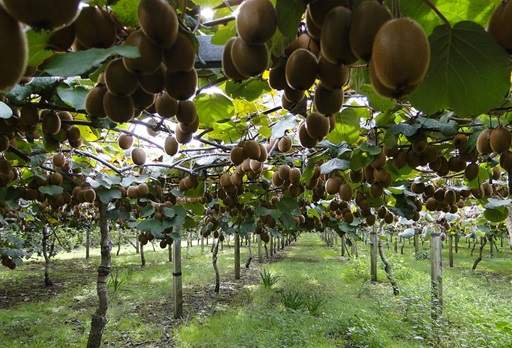
Kiwi is a delicious and nutritious fruit that is rich in essential micronutrients, making it an excellent addition to a healthy diet. If you have a spacious green area, you can dedicate yourself to growing kiwi, a climbing plant that requires support or specific trellises.
Kiwi can add flavor and nutrients to your smoothies, salads, and desserts. The combinations are numerous and so are its properties and benefits. When talking about kiwi smoothies, the classic combination is with apple, but we can be guided by our palate to find other tasty and healthy combinations. In the article on Kiwi Smoothies, you’ll find many tips for delicious recipes.
Kiwi Plant Characteristics
It’s essential to know that kiwi is a dioecious plant, meaning it has separate male and female plants. If you want to grow kiwi at home, you should have at least two plants, one with female flowers and one with male flowers. The female plant produces fruits, while the male plant allows for pollination and fruit production.
Cultivating kiwi doesn’t require specific cultural practices; however, some recommendations are provided below. One necessary note is to have enough space for hosting at least two plants.
Kiwi Cultivation: Essential Indications
The spring is the right time for planting kiwi, let’s see how to cultivate kiwi in a garden. At the moment of planting, choose a sheltered place from wind and prepare a support where the kiwi can cling. A characteristic cultivation style for this plant is the double pergola structure.
Exposure
Since kiwi prefers zones with good humidity and limited sunlight, avoid exposing the plant to direct sunlight. Kiwi plants prefer partial shade to full sun, but it’s essential to provide them with protection from harsh midday sun.
Soil
When planting, choose a deep soil that’s rich in organic substances and has a neutral pH: prefer argillaceous soils with good drainage. The ideal soil pH for kiwi is between 6.0 and 7.0. Avoid growing kiwi in areas with heavy clay or sandy soils, as they can cause waterlogging or nutrient deficiencies.
Spacing
Leave a space of about 2 meters between each plant. This will give the plants enough room to grow and allow for proper air circulation, reducing the risk of disease.
Concimazione
After building a support, prepare the soil by fertilizing it with mature stallatic or ammonium sulfate. Fertilization should be repeated between autumn and winter at least every two years. A balanced fertilizer with a pH range of 6.0-7.0 is recommended for kiwi plants.
Irrigazione
Water abundantly, paying attention that the soil remains always moist: avoid stagnant water that can cause diseases. Kiwi plants prefer consistent moisture, especially during the first year after planting. However, make sure not to overwater, as this can lead to root rot and other problems.
Note that if you want to grow kiwi in abundance and plant more trees, you can use a single male kiwi for every 7 plants with fruiting flowers.
Kiwi Harvest and Potting
Kiwi maturity occurs when the plants are about three years old, from November to autumn. When to harvest kiwis? Kiwis are ready for harvesting when they turn gray-green color.
To harvest kiwis, simply twist them gently off the branch; it’s unnecessary to use pruning shears. After harvesting, it’s recommended to lightly prune rams that produced fruit. This operation should be performed towards the end of winter and then in summer.
When to prune kiwi? The green pruning takes place in summer and the dry pruning in winter. Pruning kiwi is simple and can help control its size, promote healthy growth, and encourage fruiting.
Growing Kiwi in Northern Italy
Warning for those living in northern Italy: kiwi hates cold temperatures. Kiwi loves temperate environments and fears frost; therefore, ensure that your plant is covered or cultivated in pots. Place the pot on wheels so you can move it safely when the weather gets colder.
Pest and Disease Management
Kiwi rarely attacks parasites and insects but its major enemy is root rot caused by water stagnation. However, kiwi can be attacked by aphids and ladybugs. To prevent diseases, better create an impianto a doppia pergola with plants spaced far from each other. To build this type of structure consider the following:
- You’ll need robust metallic or wooden stakes
- The stakes should be planted in correspondence with the plants, so 5 meters apart on the same row
- Between rows, leave at least 2 meters of space
To create the support, install metallic wires between a stake and another one. The wires will allow kiwi to produce fruit starting from the third year after planting.
Frequently Asked Questions (FAQs)
Q: How often should I water my kiwi plant?
A: Water abundantly, paying attention that the soil remains always moist; avoid stagnant water that can cause diseases.
Q: What is the ideal pH for growing kiwi?
A: The ideal soil pH for kiwi is between 6.0 and 7.0.
Q: How often should I fertilize my kiwi plant?
A: Fertilization should be repeated between autumn and winter at least every two years.
Q: Can I grow kiwi in containers?
A: Yes, you can grow kiwi in containers, but make sure the pot is at least 30 cm deep to accommodate the plant’s root system.


