
The introduction of the D1 electricity tariff for heat pumps has been a significant development in the Italian energy landscape. As we’ve discussed, this new tariff system is designed to encourage the adoption of electric heat pumps (type A compression) as an alternative to traditional heating systems.
How Does the D1 Tariff Work?
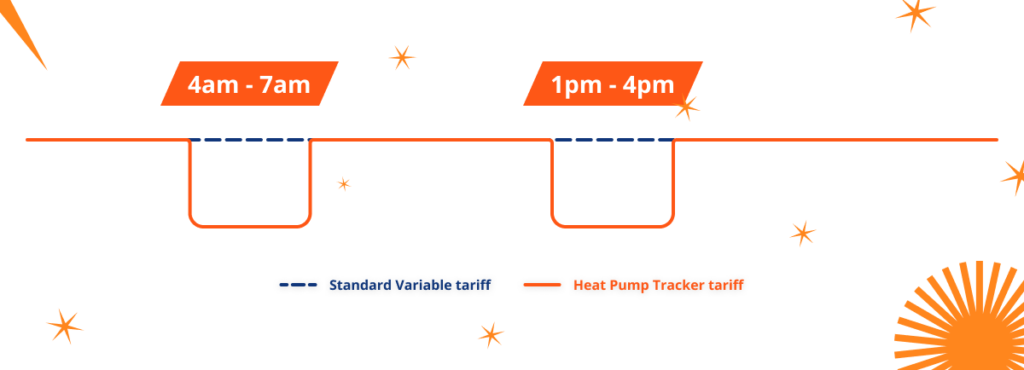
The key feature of the D1 tariff is that it’s based on a constant price per kilowatt-hour compared to electricity consumption. This means that users will pay the same rate for their energy regardless of when they consume it, which aligns with the idea that heat pumps operate efficiently throughout the day.
Benefits for Heat Pump Users
One of the most significant advantages of joining the D1 tariff is that it can lead to substantial savings on electricity bills. By paying a constant price per kilowatt-hour, users are less likely to be penalized for peak usage patterns, which can often result in higher energy costs.
In addition to cost savings, another benefit of the D1 tariff is that it simplifies the management of household expenses. Without the need for additional meters or complex billing arrangements, heat pump users can enjoy greater transparency and control over their energy consumption.
Limitations and Challenges
While the D1 tariff offers many benefits, there are also some limitations and challenges to consider. For example, managing multiple meters or systems can be complex, and users may still face increased energy consumption during peak hours due to the presence of a second meter.
Moreover, not all heat pumps qualify for the D1 tariff. Only electric heat pumps (type A compression) are eligible, which may limit the appeal of this option for some users.
Understanding Heat Pumps and Their Role in the Energy Market
Heat pumps have become increasingly popular as a sustainable heating solution due to their ability to provide efficient and environmentally friendly warmth. However, their integration into the existing electricity tariff system poses challenges, particularly regarding how to incentivize their adoption without creating unfair market distortions.
To address this challenge, the D1 tariff aims to align electricity prices with actual production costs by taking into account renewable energy sources that have altered the rules of the game. By doing so, it encourages users to switch to heat pumps as a more sustainable option.
Potential Outcomes and Future Developments
The success of the D1 tariff will depend on various factors, including user adoption rates, market dynamics, and regulatory developments. As we wait for further evaluation and adjustments of this system, it’s essential for stakeholders to monitor its performance closely.
To maximize benefits and address challenges, we can explore strategies such as:
- Developing targeted marketing campaigns to raise awareness about the D1 tariff and heat pumps among potential users.
- Offering training programs or workshops to help users optimize their energy consumption and get the most out of their heat pump systems.
- Collaborating with industry partners to provide incentives for the adoption of sustainable heating solutions.
Conclusion
The introduction of the D1 electricity tariff marks an important milestone in promoting sustainable energy practices in Italy. By aligning prices with actual production costs, this system encourages users to adopt more environmentally friendly heating solutions.
As we move forward, it’s crucial to continue monitoring the performance of the D1 tariff and exploring ways to optimize its benefits for heat pump users.


