
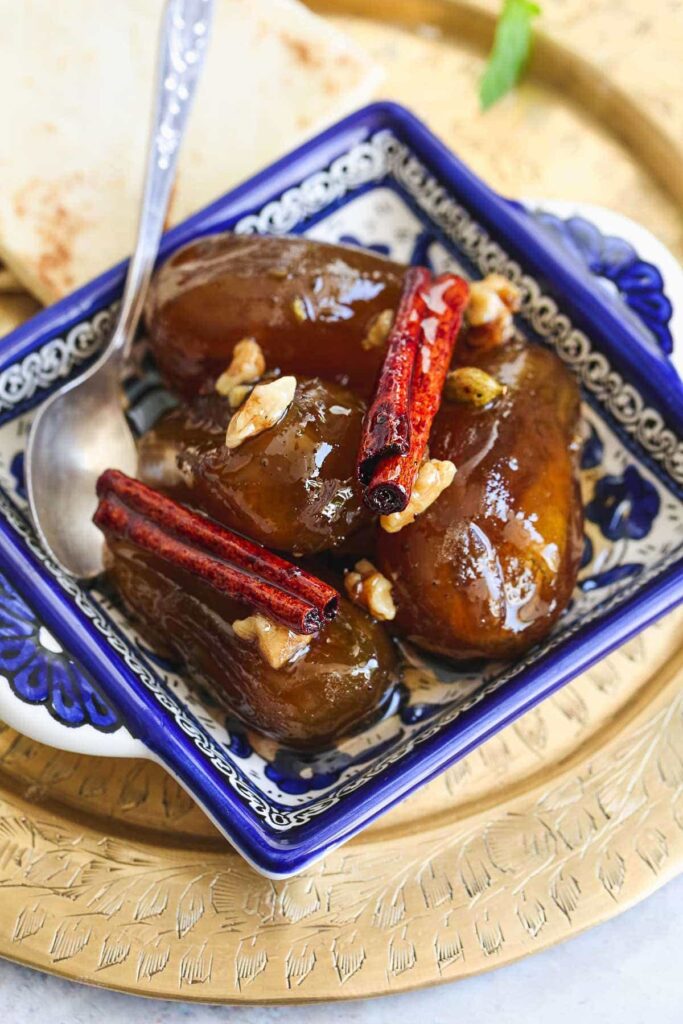
As we wander through the aisles of our local grocery stores or browse through specialty food shops, it’s easy to get stuck in a rut when it comes to our favorite jams. We know and love classic flavors like strawberry, peach, and raspberry, but have you ever stopped to think about what other delicious and unusual jam flavors are out there waiting to be discovered?
In this article, we’ll delve into the world of unconventional jams, exploring unique flavor combinations that will tantalize your taste buds and broaden your culinary horizons. From quince and avocado to guava and pumpkin, we’ll explore the preparation methods, ingredient combinations, and pairing suggestions that make these unusual jams truly special.
A Brief History of Jam-Making
Before we dive into the world of unconventional jams, let’s take a brief look at the history of jam-making. The process of preserving fruits in sugar dates back to ancient times, with evidence of jam-making dating back to the Romans and Greeks. Over time, recipes for different types of jam were passed down through generations, with various regions developing their own unique flavor profiles.
The art of jam-making was a labor-intensive process that required patience, skill, and attention to detail. Fruit was carefully selected, washed, and prepared before being cooked in large cauldrons over open fires. The resulting jam was a sweet and tangy spread that could be enjoyed throughout the year.
The Art of Pairing Jams
One of the most exciting aspects of exploring unconventional jams is discovering new pairing options. By combining seemingly disparate flavors, you can create unique taste experiences that will surprise and delight your palate. For example, mandarin marmalade pairs perfectly with nutmeg and wine, adding a warm, spicy flavor to the sweetness of the citrus.
When it comes to pairing jams, the possibilities are endless. Here are a few tips to get you started:
- Consider the texture: pair smooth jams like quince or apricot with crunchy ingredients like nuts or seeds.
- Think about flavor profiles: combine sweet and savory flavors, like strawberry and balsamic vinegar, for a unique taste experience.
- Don’t be afraid to experiment: try pairing unusual jam flavors with unexpected ingredients, like peanut butter and banana.
Quince Jam: A Delicate Balance of Sweet and Tart
Among the unconventional jams worth trying is quince jam. This delicate balance of sweet and tart flavors requires patience and attention to detail, as the preparation process can take several days. To make quince jam, you’ll need:
- 250g fresh rose petals
- 375g sugar
- 1/2 lemon
- 250ml water
The key to successful quince jam is using “ripe” rose petals that are full of color and fragrance. Simply wash the petals, remove the white part of the stem, chop them into half-moons, and let them rest in a bowl with half of the sugar for two days. Then, melt the remaining sugar in water, add lemon juice, and finally combine the petal mixture.
Exploring Other Unconventional Jam Flavors
In addition to quince jam, there are many other unusual jam flavors worth trying. Some of our favorites include:
- Guava jam: This tropical flavor combination is perfect for those who love sweet and tangy jams.
- Pumpkin jam: A seasonal favorite, pumpkin jam is made with fresh pumpkin puree and pairs perfectly with warm spices like cinnamon and nutmeg.
- Rose jam: This floral flavor is a unique twist on traditional rosewater, adding a delicate sweetness to your toast or yogurt.
The Benefits of Trying New Jams
So why should you try new jams? Not only will you discover unique flavors that will add excitement to your breakfast routine, but you’ll also be supporting local farmers and artisans who are passionate about creating delicious, small-batch preserves.
By trying new jams, you’re not only expanding your culinary horizons, but you’re also contributing to a more sustainable food system. Many artisanal jam makers prioritize locally sourced ingredients and traditional production methods, which can have a positive impact on the environment.
Tips for Making Your Own Unconventional Jams
If you’re feeling adventurous and want to try making your own unconventional jams at home, here are a few tips to get you started:
- Use fresh, seasonal ingredients whenever possible.
- Experiment with different flavor combinations and pairing options.
- Don’t be afraid to add a pinch of salt or a sprinkle of spices to balance out the flavors.
Some other tips for making jam include:
- Use the right equipment: invest in a good-quality jam pan or Dutch oven to ensure that your jam is cooked evenly and safely.
- Monitor the temperature: keep an eye on the temperature of your jam as it cooks, adjusting the heat as needed to prevent scorching or burning.
- Don’t overcook: jam should be cooked until it reaches a certain consistency, but overcooking can result in a sticky, jam-like texture.
Conclusion
In conclusion, exploring unconventional jams is a delicious way to broaden your culinary horizons and discover new flavors that will tantalize your taste buds. Whether you’re a seasoned jam enthusiast or just looking to try something new, we hope this article has inspired you to venture into the sweet world of unusual jams.
Frequently Asked Questions
- What’s the best way to store unconventional jams?
- Store them in an airtight container in the fridge to keep them fresh for up to 6 months.
- Can I make my own unconventional jam from scratch?
- Yes, with a little patience and experimentation, you can create your own unique flavors at home.
- How do I know which ingredients are safe to use in making jams?
- Always check with local farmers or suppliers to ensure that the ingredients you’re using are organic and free of pesticides.
- Can I make jam with any type of fruit?
- While some fruits, like strawberries and blueberries, work beautifully for jam-making, others, like citrus fruits, can be tricky due to their high acidity levels.
- What’s the difference between marmalade and jam?
- Marmalade is made with citrus fruits that have been boiled in water until the fruit is tender, then cut into thin slices or pulp. Jam, on the other hand, is a more general term for a sweet spread made from fruit puree.
- How do I know when my jam is ready?
- Check for consistency and flavor by tasting the jam regularly during the cooking process.
- Can I make jam with spices or herbs?
- Absolutely! Spices like cinnamon, nutmeg, and ginger can add warm, comforting flavors to your jams, while herbs like mint and basil can create refreshing and unique flavor combinations.
- What’s the best way to preserve homemade jam?
- Store it in an airtight container in the fridge or freezer to keep it fresh for up to 6 months.
We hope these FAQs have answered some of your burning questions about exploring unconventional jams!


