
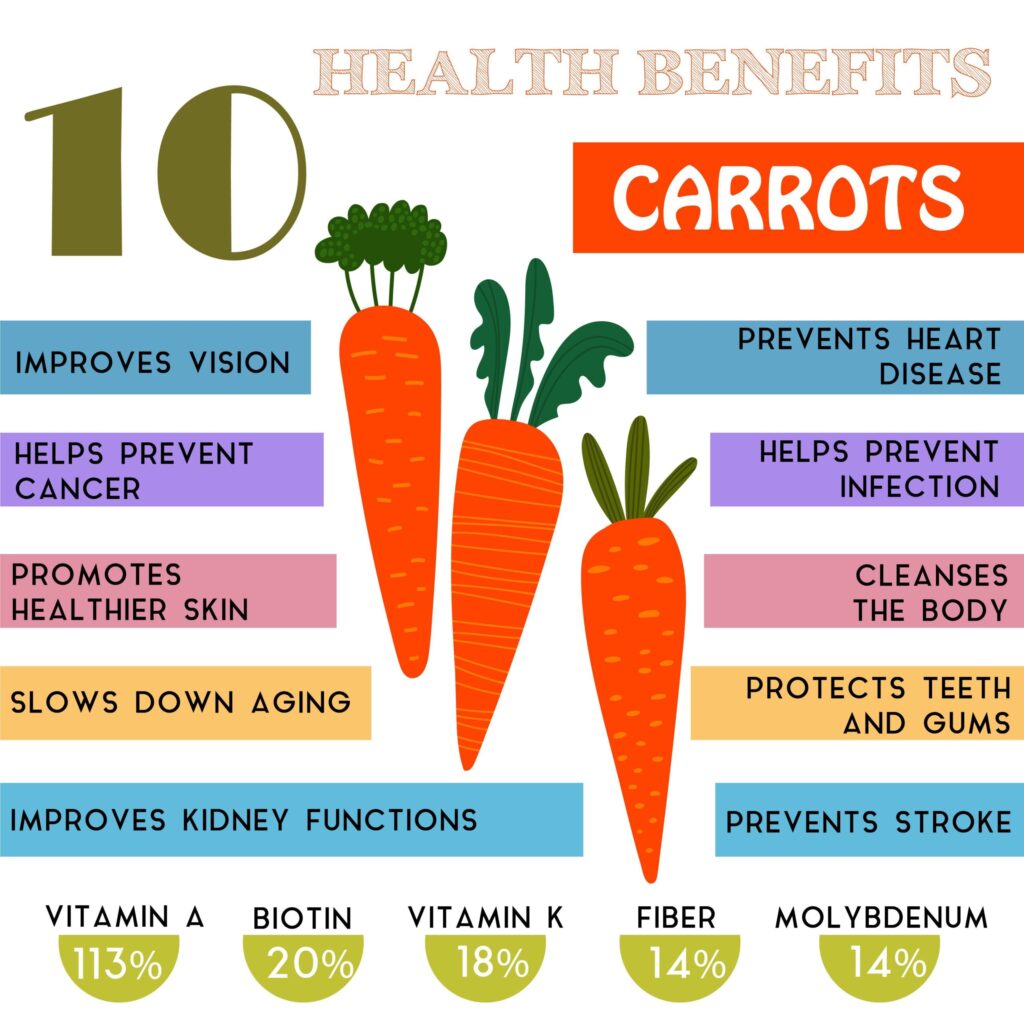
As we navigate through the world of health and wellness, one ingredient often gets overlooked: the humble carrot. For centuries, carrots have been touted for their numerous benefits, but how much of this is truly proven? In this article, we’ll delve into the world of carrots, exploring their properties, benefits, nutritional value, and culinary uses.
The Properties of Carrots
Carrots are renowned for their ability to alleviate digestive issues such as gastritis and dysentery. They also boast a significant capacity to improve eye health and boost skin radiance due to their high content of beta-carotene, which converts into vitamin A in the body. Moreover, carrots have been found to enhance male fertility by improving sperm quality.
A Historical Perspective
Interestingly, carrots were not always considered a staple food. In ancient times, they were used for medicinal purposes, such as treating kidney stones and diarrhea. The Romans prized them for their diuretic properties and aphrodisiac effects, while the Egyptians employed them as cicatrizants (wound healing agents). Even in medieval Europe, carrots were used to counteract kidney problems.
The Benefits of Carrots
Beyond their impressive list of historical uses, carrots offer numerous health benefits. Eating carrots regularly can help you live a longer, healthier life by increasing levels of alpha-carotene in your blood, which is inversely associated with the risk of mortality. They also contain antioxidants and antiossidants that aid in preventing premature death.
Incorporating carrots into your diet can also combat obesity in children by offsetting it with broccoli and spinach consumption.
Nutritional Value
Carrots are packed with essential vitamins and minerals, including:
- Beta-carotene (antioxidant and precursor to vitamin A)
- Vitamin B
- C
- PP (choline)
- D
- E
- Potassium
- Iron
- Calcium
- Phosphorus
- Magnesium
- Zinc
Calorie Content
A single carrot stick contains a mere 40 calories. However, it’s essential to note that most of its mass is comprised of water (90%), making them an excellent low-calorie snack.
Cooking Methods
When it comes to preparing carrots, the cooking method can significantly impact their nutritional value. Boiling or steaming can help preserve more nutrients than boiling or frying. Adding a small amount of oil while boiling can enhance the absorption of betacarotene by your body.
Raw Carrots: A Delightful Option
While cooked carrots offer numerous health benefits, raw carrots are equally nutritious and delicious. Enjoy them in salads, as snacks, or blended into smoothies to reap their full potential.
The Rainbow Variety of Carrots
Did you know that carrots come in a range of colors? While orange is the most common variety, they can also be yellow, red, white, black, and even purple! Each color possesses unique properties, with violas containing higher amounts of antioxidants than oranges.
A Brief History of Domestication
Contrary to popular belief, carrots were not domesticated by Europeans. Instead, it was the ancient peoples of the Middle East who first cultivated them for their medicinal and culinary uses. The Romans later adopted them, spreading their benefits throughout Europe.
Carrot Oil: An Underutilized Resource
Last but not least, carrot oil is a potent supplement that deserves more attention. Harnessing the nutritional value of carrot seeds, this oil offers numerous health benefits when used topically or ingested in moderation.
In conclusion, carrots are indeed a miracle fruit (or rather, root vegetable). With their incredible array of properties and benefits, they offer a wealth of opportunities for promoting overall well-being. By incorporating carrots into your diet, you’ll be taking the first step towards unlocking a healthier, happier life.
Frequently Asked Questions
- Can I consume too many carrots?
- How can I use carrot oil effectively?
- What are the differences between orange and purple carrots?
- How do I choose the best quality carrots for my needs?
- Can carrots help with weight loss?
- Are raw or cooked carrots better for me?
- Can I grow my own carrots at home?
- How often should I eat carrots to reap their benefits?
Health Benefits of Carrots
Carrots are rich in antioxidants and contain a variety of vitamins, including beta-carotene, vitamin B, C, and E. These nutrients can help protect cells from damage caused by free radicals, which can contribute to chronic diseases like cancer and heart disease.
In addition to their nutritional benefits, carrots have been shown to have anti-inflammatory properties, which can help reduce inflammation in the body. This can be particularly beneficial for people with conditions like arthritis, who often experience joint pain and swelling due to inflammation.
Carrots also contain fiber, which can help promote digestive health by preventing constipation and supporting healthy gut bacteria. A diet rich in fiber has been shown to lower cholesterol levels, improve blood sugar control, and even reduce the risk of certain types of cancer.
The Role of Carrot Juice
While carrots are typically eaten whole or cooked, they can also be consumed as juice. Carrot juice is a popular health tonic that has been used for centuries to promote overall well-being.
In addition to their nutritional benefits, carrot juice has been shown to have anti-inflammatory and antioxidant effects. The juice is rich in beta-carotene, which converts into vitamin A in the body, helping to protect cells from damage caused by free radicals.
Carrot juice can also be used as a natural remedy for various health issues, such as digestive problems, colds, and flu. It has been shown to have antimicrobial properties, making it effective against a range of pathogens.
Tips for Incorporating Carrots into Your Diet
Incorporating carrots into your diet is easy and can be done in a variety of ways. Here are some tips to get you started:
- Add sliced or chopped carrots to salads, soups, and stews.
- Roast or steam carrots as a side dish.
- Use carrot juice as a natural remedy for digestive issues or as a healthy drink alternative.
Incorporating carrots into your diet can have numerous health benefits, from reducing the risk of chronic diseases to promoting overall well-being. By making simple changes to your daily routine, you can unlock the full potential of this humble root vegetable.
Conclusion
Carrots are indeed a miracle fruit (or rather, root vegetable). With their incredible array of properties and benefits, they offer a wealth of opportunities for promoting overall well-being. By incorporating carrots into your diet, you’ll be taking the first step towards unlocking a healthier, happier life.


