
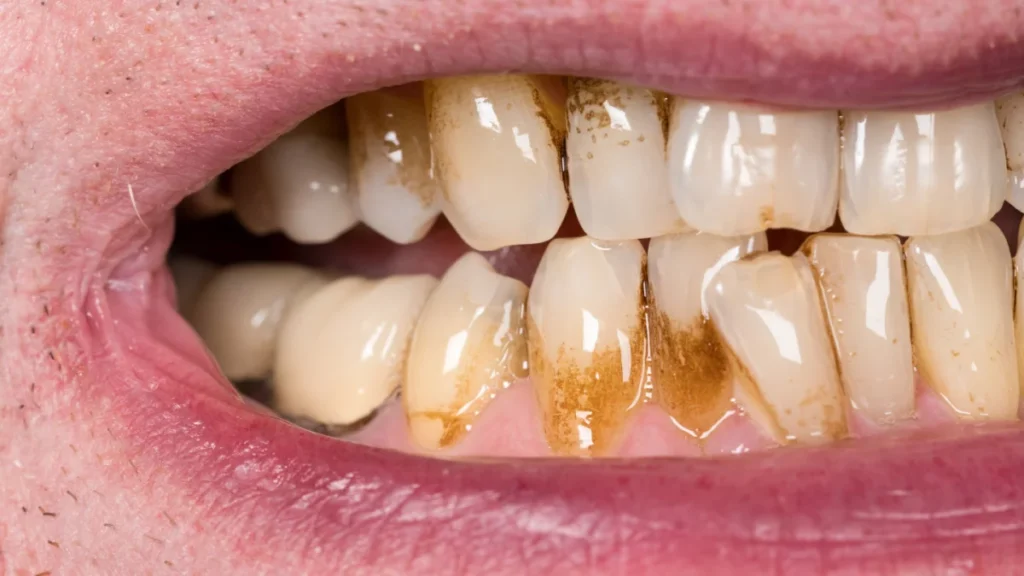
As we age, our teeth inevitably start to yellow and lose their luster. However, there are many natural remedies that can help slow down the process, even reverse it. While at-home whitening kits are easily available in pharmacies, there are also several domestic remedies for discoloration that you can try.
Changing Your Dietary Habits
The first step towards a brighter smile is to change your eating habits. Certain foods and drinks can stain your teeth, so eliminating them from your diet can prevent further discoloration. In particular, foods and beverages high in tannins, such as wine and tea, are notorious for staining teeth. Even coffee, dark soda, and fruit juices can cause discoloration.
Moreover, acidic foods can also make your teeth appear yellowish. Consuming too much citrus fruits, coffee, or soda can lead to enamel erosion, which will eventually result in discolored teeth. To avoid this, always brush your teeth after consuming these items. The American Dental Association recommends waiting 30 minutes after eating before brushing your teeth as the acid can weaken the enamel.
Quitting Smoking
Smoking not only stains your teeth but also increases the risk of caries and gum diseases, which can lead to discoloration. Quitting smoking is essential for maintaining good oral hygiene and preventing further damage.
Using Bicarbonate of Soda
Bicarbonate of soda has been used for centuries as a natural toothpaste. Its mild abrasive properties can help remove surface stains from teeth. Some people are concerned that bicarbonate of soda may erode the enamel, but research suggests that it is safe to use and can even help reduce plaque and prevent caries.
Using Hydrogen Peroxide
Hydrogen peroxide is a gentle bleach that can help whiten teeth. Mix equal parts baking soda and hydrogen peroxide to create a paste and brush your teeth for 1-2 minutes, twice a day, for a week. However, use this remedy sparingly as excessive use can cause tooth sensitivity.
Using Fruit Enzymes
Papain and bromelain, enzymes found in papaya and pineapple respectively, have been shown to whiten teeth. A 2012 study found that solutions containing these enzymes may offer minor whitening effects. However, further research is needed to confirm their efficacy.
Maintaining Good Oral Hygiene
The most important step towards maintaining a bright smile is good oral hygiene. Regular brushing and flossing can help prevent discoloration by removing plaque and bacteria from teeth. Use a fluoride toothpaste that helps fight caries and clean between your teeth with an interdental brush.
What Not to Do
While some natural remedies may seem effective, there are several methods that do not work and may even damage your teeth. Avoid using the following:
- Lemons
- Oranges
- Apple cider vinegar
- Activated charcoal
These items can weaken or damage tooth enamel.
Common Causes of Tooth Discoloration
Tooth discoloration is usually caused by aging or certain lifestyle choices such as smoking or excessive consumption of acidic foods. Some common causes include:
- Smoking: Tar and nicotine in tobacco products can stain teeth, making them appear yellowish.
- Coffee and tea: The tannins found in these beverages can bind to tooth enamel, causing discoloration.
- Acidic foods: Consuming too much citrus fruits, coffee, or soda can lead to enamel erosion, resulting in discolored teeth.
- Genetics: Some people may be more prone to tooth discoloration due to their genetic makeup.
Preventing Tooth Discoloration
Preventing tooth discoloration requires good oral hygiene and a healthy diet. Brush your teeth regularly, limit sugary drinks, and avoid staining foods. Here are some additional tips:
- Use a straw when drinking acidic beverages to reduce contact between the liquid and your teeth.
- Avoid using whitening products that contain harsh chemicals or abrasives.
- Clean your tongue regularly to remove bacteria that can contribute to bad breath.
Natural Remedies for Whitening Teeth
While at-home whitening kits are popular, there are several natural remedies that can help whiten teeth. Here are some of the most effective ones:
- Baking soda: Mix baking soda with water to create a paste and brush your teeth for 1-2 minutes, twice a day.
- Hydrogen peroxide: Mix equal parts hydrogen peroxide and baking soda to create a paste and brush your teeth for 1-2 minutes, twice a day.
- Coconut oil pulling: Swish coconut oil in your mouth for 10-15 minutes before spitting it out. This can help reduce plaque and whiten teeth.
Expert Tips
While natural remedies may seem effective, there are some expert tips that can enhance their results:
- Consult with a dentist: Before trying any new remedy, consult with a dentist to ensure it is safe for your teeth.
- Be patient: Whitening teeth takes time, so be patient and consistent with your treatment.
- Use a mouthwash: Using a mouthwash can help reduce plaque and prevent caries while whitening your teeth.
Conclusion
Unfortunately, few people have perfectly white and bright teeth, as aging tends to cause discoloration. However, maintaining good oral hygiene and regular dental check-ups can help keep your teeth in the best condition possible.
If you’re concerned about tooth discoloration, consult a dentist who can assess if there are any underlying issues that need attention. Remember that while natural remedies may help at-home whitening, professional treatments from a dentist can provide more effective and long-lasting results.
FAQs
- What causes tooth discoloration?
- Tooth discoloration is usually caused by aging or certain lifestyle choices such as smoking or excessive consumption of acidic foods.
- How can I prevent tooth discoloration?
- Preventing tooth discoloration requires good oral hygiene and a healthy diet. Brush your teeth regularly, limit sugary drinks, and avoid staining foods.
- What are the best natural remedies for whitening teeth?
- Baking soda and hydrogen peroxide are two popular natural remedies that can help whiten teeth. However, always use them in moderation and consult with a dentist before attempting any at-home treatments.
- How often should I brush my teeth?
- Brush your teeth at least twice a day for two minutes each time to maintain good oral hygiene.
- Can quitting smoking improve the color of my teeth?
- Yes, quitting smoking can significantly improve the color and health of your teeth. Smoking accelerates tooth decay and discoloration due to the tar in tobacco products.
- How often should I visit a dentist for check-ups?
- Regular dental check-ups are necessary to detect any oral health issues early on. Consult with your dentist to determine the best schedule for you.


