
What is Natural Stone?
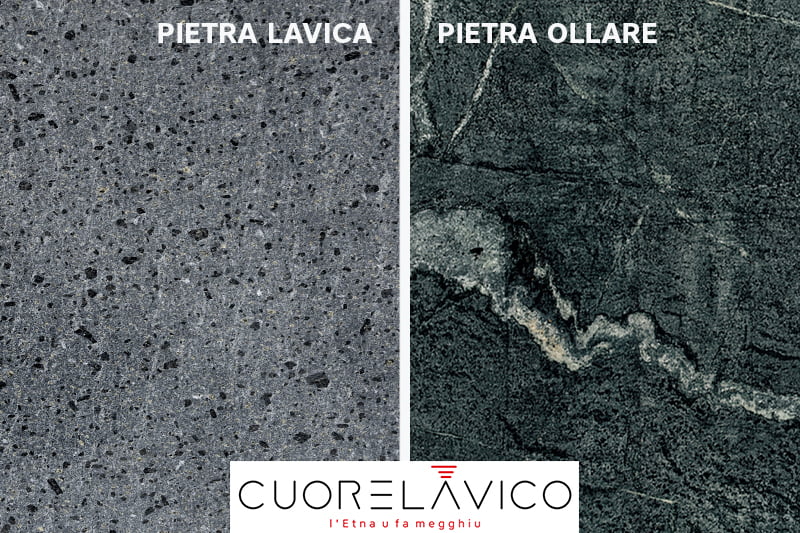
When we talk about natural stone, we’re referring to a type of volcanic rock that emerges from volcanoes in its molten state (magma) and then solidifies. It’s characterized by a dark color and has been used for cooking purposes due to its unique properties.
Natural stone has been used for cooking for centuries, particularly in traditional cuisines like Japanese, Chinese, and Indian cooking. Its ability to distribute heat evenly and retain it for long periods makes it an ideal material for cooking over open flames or on gas stoves.
Stone Ollae: The Green Gemstone
The steatite, also known as natural stone or soapstone, is a metamorphic rock similar to jade. It has a green color but can also be white, cream, or red. Like natural stone, stone ollae absorb heat and release it gradually during cooking.
Stone ollae are often used in traditional Japanese cuisine for cooking rice and other dishes. They’re valued for their ability to retain heat and distribute it evenly, ensuring that food is cooked consistently and without hot spots.
Barbecue with Natural Stone: The Ultimate Cooking Experience
To cook on natural stone for barbecue and dedicated ovens, you need to purchase products made of natural stone that are free from wooden supports or other materials that could burn out. On a gas stove, the maximum temperature is 250 °C, but with natural stone, you can achieve much higher temperatures – up to 600 °C.
Using natural stone for barbecue offers several benefits, including:
- Uniform cooking process: Natural stone distributes heat evenly, ensuring that food is cooked consistently and without hot spots.
- Low energy consumption: Natural stone retains heat for long periods, reducing the need for constant stirring or adjusting the heat.
- Heat retention: Natural stone has a high thermal mass, allowing it to absorb and retain heat for extended periods.
Factors to Consider When Cooking with Natural Stone
Natural stones offer a unique cooking experience that requires attention to detail. Here are some factors to consider when cooking with natural stone:
- Thickness: Natural stones need to be thick enough to retain heat for long periods. If too thin, they won’t hold the heat long enough.
- Material compatibility: Make sure the natural stone you choose is compatible with your cooking method and equipment.
Choosing the Right Natural Stone for Your Needs
With so many options available, choosing the right natural stone can be overwhelming. Here are some factors to consider:
- Color: Choose a natural stone that complements your cooking style and decor.
- Thickness: Select a natural stone that’s thick enough to retain heat for long periods.
- Material compatibility: Ensure the natural stone you choose is compatible with your cooking method and equipment.
Natural Stone Pans and Stones: A World of Options
There are many plates made of natural stone available in the market, including frying pans, griddles, steak skewers, and more. The most advanced ones have handles in silicone to make handling easier.
Some popular options include:
- Grill pan: A grill pan with an iron bottom (compatible with induction cooktops) and made from natural stone.
- Stone ollae: A traditional Japanese cooking vessel made from natural stone, perfect for cooking rice and other dishes.
- Natural stone frying pans: A set of frying pans made from natural stone, ideal for high-heat searing and sautéing.
Griddle Pan: A Game-Changer for Natural Stone Cookers
We recommended this grill pan because among the plates made of natural stone, it’s one of the most popular reviews from users who tested it. It has handles in silicone and measures 26 x 35 cm.
This product is priced at 33.99 euros with free shipping on Amazon.
Benefits of Cooking with Natural Stone
Cooking with natural stone offers several benefits, including:
- Uniform cooking process: Natural stone distributes heat evenly, ensuring that food is cooked consistently and without hot spots.
- Low energy consumption: Natural stone retains heat for long periods, reducing the need for constant stirring or adjusting the heat.
- Heat retention: Natural stone has a high thermal mass, allowing it to absorb and retain heat for extended periods.
Natural Stone vs. Other Materials: What’s the Difference?
While many users are confused about natural stone pans and stones, it’s essential to understand that they’re two different materials with distinct characteristics:
- Natural stone: A type of volcanic rock that emerges from volcanoes in its molten state and then solidifies.
- Stone ollae: A metamorphic rock similar to jade, often used for cooking rice and other dishes.
Conclusion
Cooking with natural stone can be a game-changer for barbecue and dedicated ovens. By understanding the unique properties of natural stone and choosing the right products, you can unlock a world of cooking possibilities.
With its ability to distribute heat evenly and retain it for long periods, natural stone is an ideal material for cooking over open flames or on gas stoves. Whether you’re a seasoned chef or just starting out, natural stone pans and stones are worth considering.
Frequently Asked Questions (FAQs)
Q: What is natural stone?
A: Natural stone is a type of volcanic rock that emerges from volcanoes in its molten state and then solidifies.
Q: How do I cook with natural stone?
A: To cook with natural stone, you need to purchase products made of natural stone that are free from wooden supports or other materials that could burn out. You can use it on gas stoves or barbecue.
Q: What are the benefits of cooking with natural stone?
A: Cooking with natural stone offers several benefits, including uniform cooking process, low energy consumption, heat retention, and durable construction.
Q: Can I cook without a flame using natural stone?
A: Yes, but it requires investing time and effort into reaching high temperatures, having patience while the stone accumulates energy, and choosing a very thick plate.
Q: Where can I buy natural stone pans and stones?
A: You can find natural stone pans and stones on various online marketplaces like Amazon, as well as in local kitchen supply stores.
Q: How do I clean my natural stone pan or stone ollae?
A: Cleaning your natural stone pan or stone ollae requires gentle soap and water. Avoid using abrasive materials or harsh chemicals that could damage the stone.
Q: Can I use natural stone on induction cooktops?
A: Yes, but make sure to choose a product compatible with induction cooktops.
Q: How do I store my natural stone pan or stone ollae when not in use?
A: Store your natural stone pan or stone ollae in a dry place away from direct sunlight and heat sources.


