
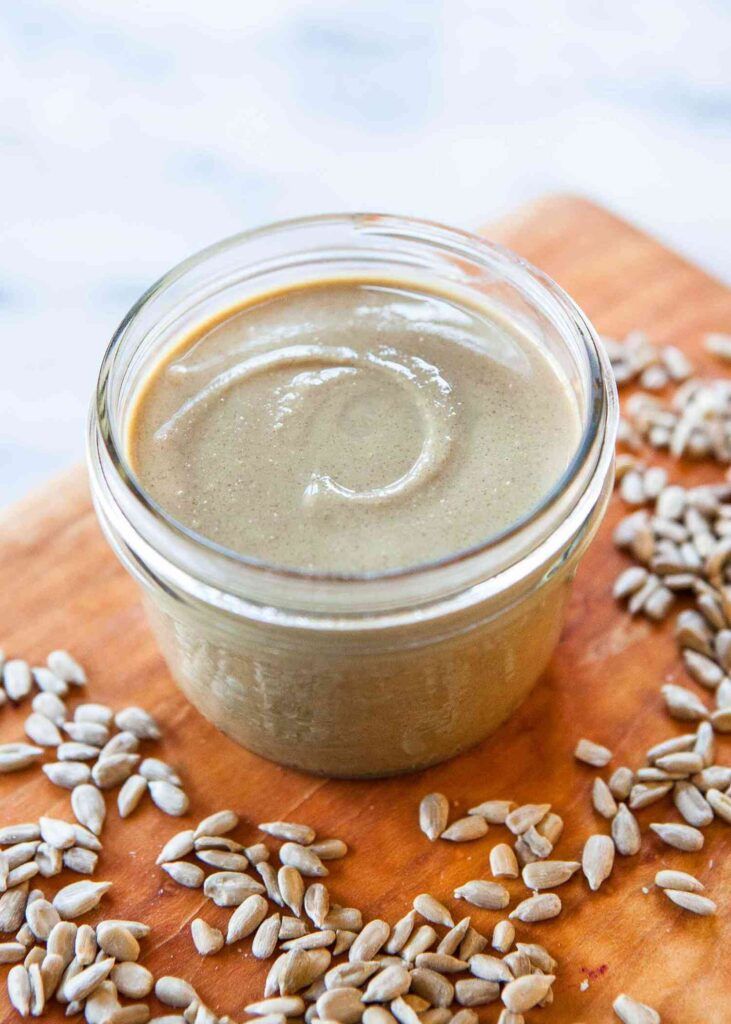
As the demand for nut butters continues to rise, sunflower seed butter has emerged as a popular alternative to traditional peanut butter. With its rich nutritional profile and versatility in cooking, it’s no wonder why sunflower seed butter has become a staple in many households.
What is Sunflower Seed Butter?
Sunflower seed butter, also known as sunbutter, is a nut-free spread made from ground sunflower seeds. Introduced to the market in the early 1980s, sunflower seed butter has gained immense popularity due to its numerous health benefits and ease of preparation.
Nutritional Benefits of Sunflower Seed Butter
Sunflower seeds are an excellent source of protein, fiber, zinc, and iron. When compared to traditional peanut butter, sunflower seed butter contains a higher amount of vitamin E and essential minerals like magnesium, phosphorus, and potassium.
However, commercial sunflower seed butters often contain added sugars, salt, and hydrogenated oils, which significantly alter their nutritional profile. To reap the benefits of sunflower seed butter, it’s essential to choose a natural, unsweetened variety.
Preparation Methods
Sunflower seed butter can be prepared at home using just a few simple ingredients: sunflower seeds, oil, stevia, and salt. Simply toast the sunflower seeds in a pan or oven, then blend them into a smooth paste with the desired amount of oil and sweetener. This homemade method allows you to control the flavor and consistency of your sunflower seed butter.
There are several methods for preparing sunflower seed butter at home:
- Toasting: Preheat the oven to 350°F (175°C). Spread sunflower seeds on a baking sheet and toast them in the oven for about 10-15 minutes, or until fragrant.
- Blending: Add toasted sunflower seeds to a blender or food processor along with oil, stevia, and salt. Blend until smooth and creamy.
Using Sunflower Seed Butter in Cooking
Sunflower seed butter can be used as a substitute for traditional nut butters in various recipes, from sandwiches to baked goods. Its creamy texture makes it an excellent choice for spreading on toast or crackers, while its mild flavor pairs well with sweet and savory ingredients alike.
Some popular uses for sunflower seed butter include:
- Making homemade granola: Mix sunflower seed butter with rolled oats, nuts, seeds, and dried fruits to create a delicious homemade granola.
- Creating a sunflower seed butter-based sauce: Blend sunflower seed butter with lemon juice, garlic, and herbs to create a tasty sauce for vegetables or meats.
- Using it as a substitute for peanut butter: Replace traditional peanut butter with sunflower seed butter in classic recipes like peanut butter cookies.
Where to Buy Sunflower Seed Butter
In Italy, finding sunflower seed butter can be challenging due to limited availability. However, you can purchase it online from specialized stores that import American products.
Some popular places to buy sunflower seed butter include:
- Whole Foods: A leading health food store chain with multiple locations worldwide.
- Trader Joe’s: An American grocery store chain known for its unique and affordable products.
- Target: A retail giant offering a range of products, including natural and organic options.
- Walmart: A multinational retailer carrying a variety of sunflower seed butter brands.
- Kroger: A supermarket chain with multiple locations across the United States.
Alternatively, you can opt for the homemade method and prepare your own sunflower seed butter using natural ingredients.
Frequently Asked Questions
Q: Is sunflower seed butter safe for individuals with tree nut allergies?
A: While sunflower seeds are a good alternative to peanuts, some people with tree nut allergies may also experience an allergic reaction to sunflower seeds. It’s essential to consult with a healthcare professional before consuming sunflower seed butter if you have a known allergy.
Q: How do I choose the right type of sunflower seed butter?
A: Look for natural, unsweetened varieties that contain minimal added ingredients. Avoid hydrogenated oils and excessive sugar content.
Q: Can I use sunflower seed butter in baked goods?
A: Yes, sunflower seed butter can be used as a substitute for peanut butter or almond butter in many recipes. However, keep in mind that it has a distinct flavor profile and may affect the overall taste of your baked goods.
Q: How do I make homemade sunflower seed butter?
A: Simply toast sunflower seeds in a pan or oven, then blend them into a smooth paste with oil, stevia, and salt using a mortar and pestle, blender, or food processor.
Q: Can I store homemade sunflower seed butter?
A: Yes, homemade sunflower seed butter can be stored in an airtight container in the refrigerator for up to 6 months. Make sure to check the consistency before consuming.
Q: Is sunflower seed butter suitable for vegans and vegetarians?
A: Yes, sunflower seed butter is a vegan-friendly option as it’s made from plant-based ingredients. However, be mindful of added ingredients or cross-contamination during processing.
Common Allergens in Sunflower Seed Butter
While sunflower seed butter is considered hypoallergenic for most people, some individuals may still experience an allergic reaction due to the following common allergens:
- Sunflower seeds: Some people with tree nut allergies or other sensitivities may react to sunflower seeds.
- Sulfites: Many commercial sunflower seed butters contain sulfites as a preservative. Individuals with sulfite sensitivity should choose alternative brands.
- Added sugars and oils: Commercial sunflower seed butters often contain added sugars and hydrogenated oils, which can be problematic for those with dietary restrictions.
Tips for Making Sunflower Seed Butter at Home
To ensure the best results when making sunflower seed butter at home:
- Use high-quality ingredients: Choose fresh, organic sunflower seeds to minimize the risk of contamination or allergic reactions.
- Control temperature and humidity: Store your homemade sunflower seed butter in an airtight container in the refrigerator to prevent spoilage and maintain freshness.
- Experiment with flavors and textures: Don’t be afraid to try different combinations of ingredients and blending techniques to find your perfect sunflower seed butter.
By following these tips and understanding the benefits and uses of sunflower seed butter, you can enjoy this delicious and nutritious spread in a variety of recipes and applications.


