
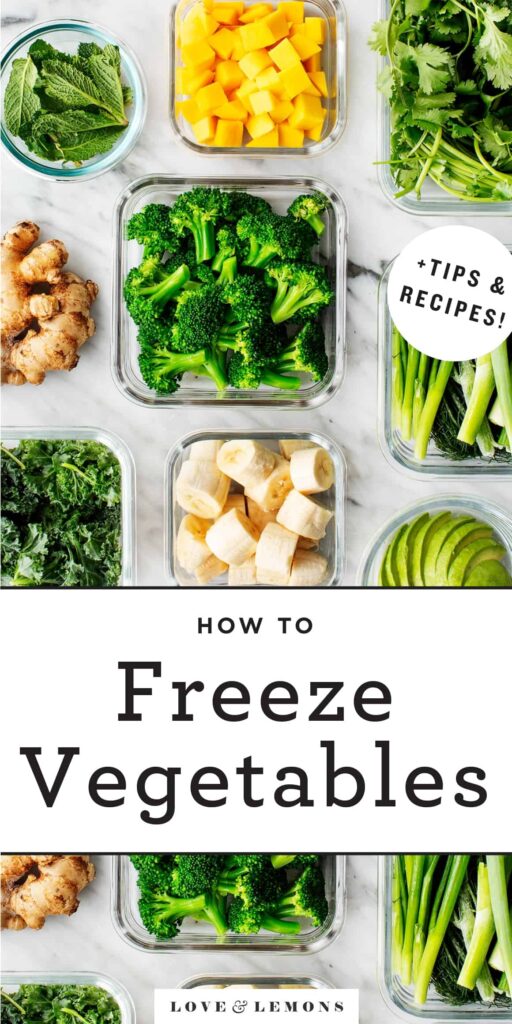
As the old adage goes, “you can’t have your cake and eat it too.” But when it comes to enjoying fresh vegetables all year round, this phrase takes on a whole new meaning. The solution lies in freezing – a simple yet effective way to preserve the nutritional value and flavor of your favorite veggies.
Not all vegetables are available 365 days a year, and for some types grown in greenhouses, prices can be prohibitive and quality is compromised. That’s where freezing comes in – a game-changer for home gardeners and cooking enthusiasts alike.
Why Freezing?
Freezing is a valid method of vegetable preservation: the cold temperature effectively inhibits the growth of bacteria, ensuring that your frozen veggies remain fresh and nutritious for months to come.
But before you start freezing, it’s essential to choose the right vegetables. Not all veggies are suitable for freezing – those with high water content, like cucumbers and celery, don’t freeze well. Instead, opt for leafy greens, broccoli, cauliflower, carrots, potatoes, and green beans – these will retain their color, texture, and nutritional value when frozen.
Preparation is Key
Before you can start freezing, your veggies need to be prepared. Here’s a step-by-step guide:
- Wash and dry: Rinse your vegetables in cold water to remove any dirt or debris. Pat them dry with a clean towel or paper towels.
- Remove excess moisture: Excess moisture can cause veggies to become soggy or develop off-flavors during freezing. Remove any loose leaves, trim stems, and pat dry again.
- Scalding: Submerge your vegetables in boiling water for 1-5 minutes, depending on the type of veggie. This step helps stop enzymes from breaking down the veggies’ natural flavors and textures.
- Cool and chop: Once scalded, immediately plunge the veggies into an ice bath to stop the cooking process. Then, chop or slice them into desired portions.
The Science Behind Freezing
Freezing works by using a combination of heat and cold to inactivate enzymes that can cause spoilage. By following these steps, you’ll be able to:
- Preserve nutrients: Freezing helps retain the vitamins, minerals, and antioxidants found in your veggies.
- Lock in flavor: The freezing process prevents flavor degradation, ensuring that your frozen veggies taste just as fresh as they did when picked.
Tips for Successful Freezing
To get the most out of your frozen veggies, remember these expert tips:
- Use airtight containers: To prevent freezer burn and maintain freshness.
- Don’t overfill: Leave some space in your containers to allow for expansion during freezing.
- Label and date: Keep track of what you’ve frozen and when it was done so you can enjoy it at its best.
The Benefits of Freezing
Freezing offers numerous benefits beyond just preserving veggies:
- Year-round access: Enjoy fresh, seasonal produce all year round – no more worries about availability or seasonality.
- Increased convenience: Frozen veggies save time on meal prep and cooking, allowing you to focus on other activities.
- Cost-effective: No need to buy expensive, out-of-season produce when you can grow your own or freeze what you have.
A World of Possibilities
Freezing opens up a whole new world of culinary possibilities. Try experimenting with different frozen veggies in your favorite recipes – from hearty stews and soups to quick stir-fries and roasted vegetables.
Some popular ways to use frozen vegetables include:
- Adding them to pasta dishes or stir-fries
- Using them as a topping for pizzas or salads
- Incorporating them into soups and stews
Conclusion
Freezing is a simple, effective way to enjoy fresh vegetables all year round. By understanding the process, choosing the right veggies, and following expert tips, you can unlock a world of flavor and nutrition. So next time you’re tempted by wilted greens or out-of-season produce, remember: freezing is just a few minutes away.
Frequently Asked Questions
Q: What types of vegetables are best for freezing?
A: Leafy greens, broccoli, cauliflower, carrots, potatoes, and green beans are excellent choices.
Q: How do I prevent freezer burn on frozen veggies?
A: Use airtight containers and label with the date to ensure freshness.
Q: Can I re-freeze cooked or blanched vegetables?
A: No – once thawed, frozen veggies cannot be re-frozen for safety reasons.
Q: What is the difference between quick freezing and slow freezing?
A: Quick freezing (typically 1-5 minutes) preserves nutrients better than slow freezing (up to 30 minutes).
Q: How long do frozen vegetables typically last?
A: Up to a year, depending on storage conditions and quality of initial preparation.
Q: Can I freeze raw carrots?
A: Yes – blanching for 2-3 minutes before freezing helps preserve color and texture.


