
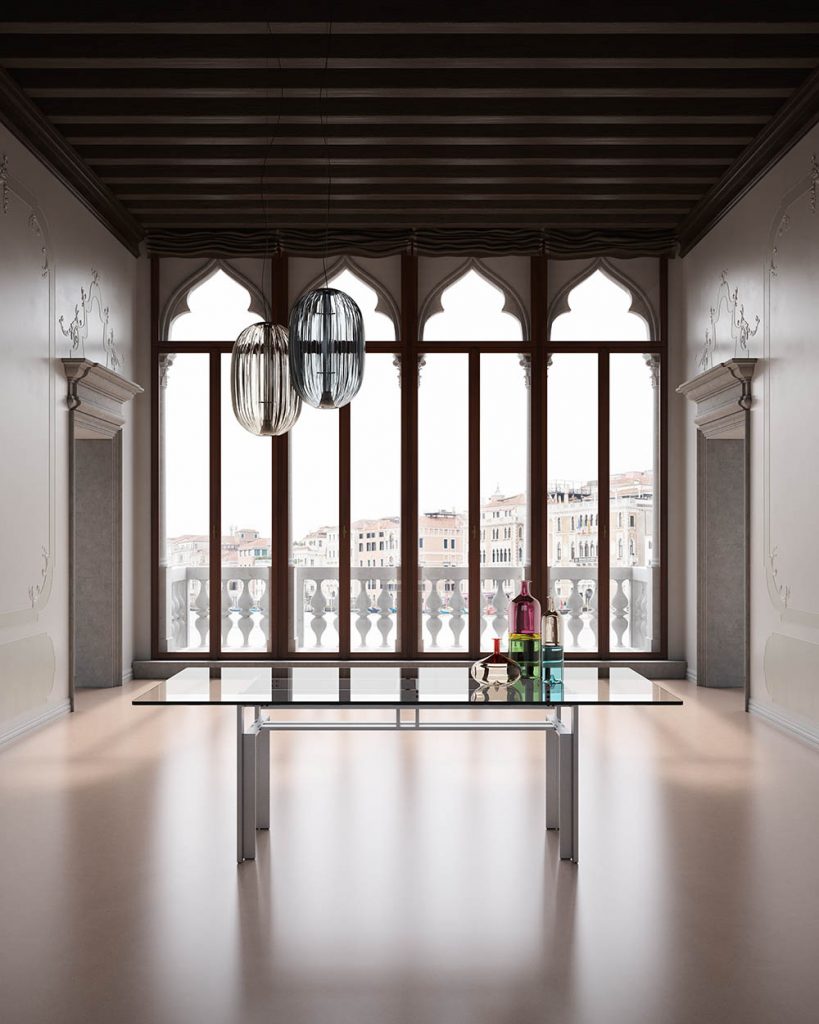
If you have an open-plan space in your home, it’s worth learning about the Venetian tile flooring. This type of floor covering is both elegant and refined, and its ancient origins only add to its allure. Despite being around for centuries, it remains a highly sought-after and appreciated design choice.
To understand what this beautiful flooring is all about and whether it’s suitable for your space, let’s take a closer look at its description and the various stages of preparation involved in creating one.
What is Venetian Tile Flooring?
Also known as terrazzo or seminato, Venetian tile flooring is a type of floor covering that combines various materials held together with a special cement-based mortar. These materials can include pietrisco, small fragments of marble, ceramic tiles, and glass. While it’s true that this type of flooring requires expertise to create, it’s worth noting that there are specialized craftsmen who have mastered the art of Venetian tile flooring, known as terrazzieri.
In Italy, you may also come across the term “seminato alla veneziana,” which refers to a single-colored floor covering with tiny fragments of color. If we’re talking about general Venetian tile flooring, it encompasses not only these decorative elements but also various types of floors featuring geometric patterns or distinctive shapes that can mimic decorative designs.
One of the key advantages of Venetian tile flooring is its beauty and durability. Not only does it add a touch of elegance to your space, but it’s also incredibly solid and resistant to wear and tear.
The History of Venetian Tile Flooring
The origins of Venetian tile flooring date back to ancient Rome, where similar materials were used to create decorative floors. However, the modern version of this type of flooring originated in Italy during the Renaissance period. It was during this time that terrazzieri began to develop their unique techniques and designs.
Over the centuries, Venetian tile flooring has been influenced by various artistic styles, including Byzantine, Gothic, and Baroque. This blend of different influences has resulted in a unique aesthetic that is both timeless and sophisticated.
The Art of Creating Venetian Tile Flooring
Creating Venetian tile flooring is an ancient craft that requires great skill and attention to detail. While it’s possible to learn the basics, working with this type of material demands expertise and practice. To give you a better idea of the process, let’s break down the various stages involved in creating this beautiful flooring.
Preparation
The first step in creating Venetian tile flooring is preparing the substrate. This ensures that the floor is level and even, which is crucial for achieving a successful result. Once the foundation is ready, two preparatory layers are applied.
The first layer consists of a mixture of materials such as cocciopesto and pietrisco. The second layer is made up of the same ingredients but is compressed and smoothed out to create a uniform surface. Before moving on to the next stage, these two layers must be allowed to rest for several days.
The Decorative Elements
After the preparatory layers have set, it’s time to add the decorative elements that give Venetian tile flooring its unique charm. This involves creating a design or pattern using various materials such as marble, glass, and ceramic tiles.
To create this intricate design, terrazzieri use specialized tools and techniques, including carbon pencils or metal wire. The final result is a stunning floor covering that showcases the craftsmanship of the artisan who created it.
The Final Touches
Once the design has been completed, the terrazzo must be sealed with a special type of mortar to hold all the elements together. This stage requires great care and attention to detail, as any imperfections can detract from the overall effect.
After sealing the terrazzo, the surface is smoothed out using various tools, including rullis and others. To achieve a high-gloss finish, the floor is then polished with an oil-based substance, followed by a final coating of wax.
Costs
While creating Venetian tile flooring can be a labor-intensive process, it’s also a significant investment. The cost of this type of flooring depends on the complexity of the design and can range from 100 to 500 euros per square meter.
If you’re considering installing a Venetian tile floor in your home, it’s worth noting that working with experienced craftsmen is essential for achieving high-quality results. Not only will they ensure that the final product meets your expectations, but they’ll also be able to guide you through the process and provide valuable advice on how to select materials.
Conclusion
Creating Venetian tile flooring requires patience, skill, and attention to detail. Whether you’re a seasoned DIY enthusiast or just starting out, this beautiful type of flooring is sure to impress. With its unique blend of elegance, durability, and craftsmanship, it’s no wonder why Venetian tile flooring remains a popular choice among homeowners.
FAQs
- What materials are used to create Venetian tile flooring?
A combination of pietrisco, small fragments of marble, ceramic tiles, glass, and cocciopesto. - Can anyone install Venetian tile flooring?
No, this type of flooring requires expertise and specialized training. - How long does it take to create a Venetian tile floor?
The time required to complete the process can vary depending on the complexity of the design. - What is the cost range for creating a Venetian tile floor?
100-500 euros per square meter, depending on the level of detail and design complexity. - Can I install a Venetian tile floor myself?
While it’s possible to learn the basics, working with experienced craftsmen is highly recommended to achieve high-quality results. - What are the benefits of using Venetian tile flooring?
Its beauty, durability, and resistance to wear and tear make it an excellent choice for homes. - Can I customize my Venetian tile floor design?
Yes, terrazzieri can work with you to create a unique design that meets your specific needs and preferences. - How do I maintain and care for my Venetian tile flooring?
Regular cleaning and polishing are necessary to maintain the appearance and longevity of the floor.
By following these guidelines, you’ll be well on your way to creating a stunning Venetian tile flooring that will elevate the aesthetic appeal of your home.
Tips for Choosing Materials
When selecting materials for your Venetian tile flooring, it’s essential to consider several factors. Here are some tips to help you make an informed decision:
- Choose high-quality materials: Opt for materials that are durable and resistant to wear and tear.
- Consider the color palette: Select a color scheme that complements your home’s interior design.
- Think about the pattern: Choose a pattern that suits your personal style and preferences.
- Don’t forget about maintenance: Consider the level of maintenance required for the materials you choose.
Design Ideas
Venetian tile flooring is an excellent choice for various spaces, including living rooms, dining rooms, and bedrooms. Here are some design ideas to inspire your next project:
- Geometric patterns: Create a geometric pattern using ceramic tiles or glass fragments.
- Marble accents: Add marble accents to create a sophisticated and elegant look.
- Ceramic tile designs: Use ceramic tile designs to add texture and visual interest to the floor.
- Glass mosaics: Create a stunning mosaic design using glass pieces.
Maintenance Tips
To maintain the appearance and longevity of your Venetian tile flooring, follow these tips:
- Clean regularly: Regular cleaning is essential to prevent dirt and grime from accumulating on the surface.
- Polish regularly: Polish the floor regularly to maintain its high-gloss finish.
- Avoid harsh chemicals: Avoid using harsh chemicals or abrasive cleaners that can damage the materials.
- Seal the terrazzo: Apply a sealant to protect the terrazzo and prevent stains.
By following these guidelines, you’ll be able to create a stunning Venetian tile flooring that will elevate the aesthetic appeal of your home for years to come.


