
In today’s fast-paced world, people are looking for ways to make their lives easier, more efficient, and more comfortable. One way to achieve this is by installing smart home appliances in your home. A smart home is a network of devices, including appliances, lighting, and security systems, that can be controlled remotely using smartphones or voice assistants.
What is a Smart Home?
A smart home is a house that uses advanced technology to make life easier for its occupants. It’s not just about having the latest gadgets; it’s about creating a seamless experience where every device works together to enhance your daily life. With a smart home, you can control everything from lighting to security systems, and even appliances like refrigerators and washing machines.
History of Smart Homes
The concept of smart homes has been around for several decades, but it wasn’t until the 2010s that the technology became more widespread and affordable. The term “smart home” was first used in the 1980s to describe a house that could be controlled using a remote control or computer interface. However, it wasn’t until the development of the Internet of Things (IoT) that smart homes began to become a reality.
What are Smart Home Appliances?
Smart home appliances are devices that can be controlled remotely using smartphones or voice assistants. They’re equipped with sensors and software that allow them to interact with other devices in the home. For example, a smart thermostat can learn your schedule and adjust the temperature accordingly. A smart coffee maker can detect when you’re running low on coffee beans and automatically order more.
Types of Smart Home Appliances
There are many types of smart home appliances available, including:
- Smart Thermostats: These devices can learn your schedule and adjust the temperature accordingly.
- Smart Coffee Makers: These devices can detect when you’re running low on coffee beans and automatically order more.
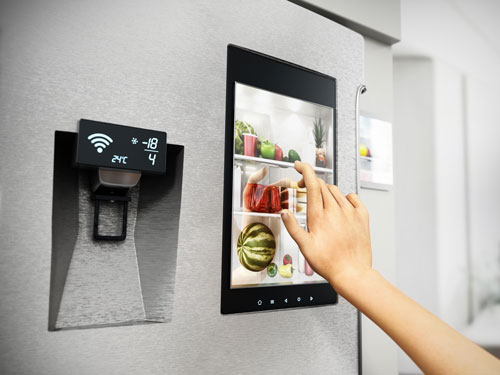
- Smart Refrigerators: These devices can track what’s inside your fridge and suggest recipes based on the ingredients you have.
- Smart Washing Machines: These devices can be controlled remotely and can even detect when a cycle is complete.
- Smart Lighting Systems: These systems can adjust brightness and color based on the time of day and ambient light levels.
How Do Smart Home Appliances Work?
Smart home appliances work by using advanced sensors and software to interact with other devices in the home. For example, a smart thermostat can use sensors to detect when you’re home or away and adjust the temperature accordingly. A smart coffee maker can use sensors to detect when you’ve run out of coffee beans and automatically order more.
Benefits of Smart Home Appliances
There are many benefits to using smart home appliances, including:
- Convenience: With smart home appliances, you can control everything from lighting to security systems, and even appliances like refrigerators and washing machines.
- Energy Efficiency: Smart home appliances can help you save energy by optimizing your usage patterns.
- Increased Safety: Smart home appliances can detect potential hazards, such as fires or intruders, and alert you accordingly.
Security Concerns
One of the main security concerns when it comes to smart homes is data privacy. When you install a smart home appliance, you’re giving access to sensitive information about your daily life, including your schedule, habits, and location. This can be a concern for individuals who are hesitant to share their personal data with companies.
Internet of Things (IoT)
The Internet of Things (IoT) refers to the network of devices, vehicles, buildings, and other items that are embedded with sensors, software, and connectivity, allowing them to collect and exchange data with other devices and systems over the internet. The IoT is a key component of smart homes, as it enables devices to communicate with each other and share information.
Benefits of the IoT
The benefits of the IoT include:
- Increased Convenience: With the IoT, you can control your smart home appliances remotely using your smartphone or voice assistant.
- Improved Energy Efficiency: The IoT can help optimize energy usage patterns by tracking usage habits and adjusting settings accordingly.
- Enhanced Safety: The IoT can detect potential hazards and alert you accordingly.
Challenges of the IoT
Despite its many benefits, the IoT also presents several challenges, including:
- Data Security: As mentioned earlier, one of the main security concerns is data privacy. When you install a smart home appliance, you’re giving access to sensitive information about your daily life.
- Interoperability: Different devices and systems may not be compatible with each other, which can create integration challenges.
- Maintenance: Smart home appliances require regular maintenance to ensure they continue to function properly.
Conclusion
Smart home appliances are changing the way we live our lives. With their advanced sensors and software, they’re making it easier to control everything from lighting to security systems, and even appliances like refrigerators and washing machines. By investing in smart home appliances, you can experience a more convenient, energy-efficient, and safe living environment.
Frequently Asked Questions
Q: What is the Internet of Things (IoT)?
A: The Internet of Things (IoT) refers to the network of devices, vehicles, buildings, and other items that are embedded with sensors, software, and connectivity, allowing them to collect and exchange data with other devices and systems over the internet.
Q: How do smart home appliances work?
A: Smart home appliances use advanced sensors and software to interact with other devices in the home. They can be controlled remotely using smartphones or voice assistants and can even detect potential hazards like fires or intruders.
Q: What are some benefits of using smart home appliances?
A: Some benefits of using smart home appliances include convenience, energy efficiency, and increased safety.
Q: How do I get started with smart home appliances?
A: To get started with smart home appliances, you can start by installing a smart thermostat or coffee maker. You can also research different brands and models to find the ones that best fit your needs and budget.
Q: Are smart home appliances expensive?
A: Some smart home appliances can be expensive, but many are affordable and offer cost savings in the long run.
Q: Can I use my smartphone to control all of my smart home appliances?
A: While some smart home appliances can be controlled using a smartphone app, not all devices work this way. Be sure to check compatibility before making a purchase.


