
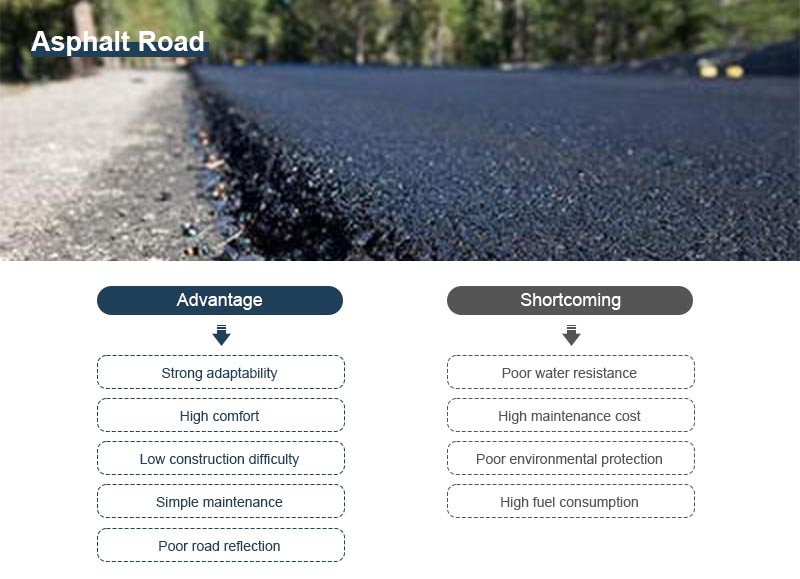
Concrete pavement has been around since 1891 in Ohio, USA, and still stands today as a testament to its durability. Unlike asphalt, which is prone to wear and tear, concrete has a much longer lifespan due to its high compressive strength.
A Brief History of Concrete Pavement
The use of concrete pavement dates back to the late 19th century, when George Bartholomev built a road in Ohio that still exists today. The original pavement is still intact, a testament to the durability of concrete. However, it wasn’t until recent years that concrete pavement has gained popularity as an alternative to asphalt roads.
In the early days of concrete pavement, it was used primarily for high-traffic areas such as roads and highways. Over time, its use expanded to include parking lots, sidewalks, and even residential driveways. Today, concrete pavement is a popular choice for infrastructure projects due to its durability, low maintenance costs, and environmental benefits.
Why Concrete Pavement Matters
Concrete pavement has several advantages over asphalt roads. One major benefit is its lower maintenance costs. In the province of Bergamo, Italy, the cost of repairing and maintaining asphalt roads is a significant burden on taxpayers. According to estimates, 16 million euros are spent annually on repairs alone. In contrast, concrete pavement requires less frequent maintenance, making it a more cost-effective option in the long run.
Another benefit of concrete pavement is its ability to withstand heavy traffic and harsh weather conditions. Unlike asphalt, which can become brittle and crack under extreme temperatures or heavy loads, concrete remains intact even when subjected to these stresses. This makes it an ideal choice for high-traffic areas where durability is paramount.
Challenges with Concrete Pavement
While concrete pavement has many benefits, there are also some challenges to consider. One major issue is its complexity when it comes to demolition and repair. Unlike asphalt, which can be easily removed and replaced, concrete requires specialized equipment and expertise to dismantle. This can increase costs and make the process more time-consuming.
Another challenge with concrete pavement is its higher upfront cost compared to asphalt. According to estimates, a concrete pavement project can cost up to 26% more than an asphalt project. However, this initial investment pays off in the long run, as concrete pavement can last for 20-30 years or more without requiring major repairs.
The Benefits of Concrete Pavement
Despite its challenges, concrete pavement has several benefits that make it an attractive alternative to asphalt roads. One major advantage is its longer lifespan. Unlike asphalt, which requires regular maintenance and repair, concrete pavement can withstand heavy traffic and harsh weather conditions for decades.
In addition, concrete pavement reduces fuel consumption by presenting a lower rolling resistance than asphalt. According to studies conducted in Canada, concrete pavement has been shown to reduce fuel consumption by up to 10%. This may seem like a small benefit, but it can add up over time and make a significant impact on the environment.
Environmental Benefits
Concrete pavement also has several environmental benefits that set it apart from asphalt roads. One major advantage is its reduced impact during the construction process. Unlike asphalt, which requires large amounts of fuel to transport materials, concrete requires less energy and produces fewer emissions.
Additionally, concrete pavement can be made with recycled materials, reducing waste and minimizing its carbon footprint. This makes it a more sustainable option than asphalt, which often ends up in landfills or oceans.
Long-Term Savings
One of the most significant benefits of concrete pavement is its long-term savings. According to estimates, a concrete pavement project can save taxpayers millions of dollars over time by reducing maintenance costs and increasing durability. For example, a study conducted in California found that a concrete pavement project could save taxpayers $10 million per year compared to an asphalt project.
Case Studies
Several case studies have demonstrated the benefits of concrete pavement. In one notable example, a highway construction project in Texas used 2.5 million tons of concrete to build a new stretch of road. The project cost $1.3 billion and required over 300 workers to complete. However, the project has already paid for itself several times over through reduced maintenance costs and increased durability.
Another case study looked at a parking lot construction project in New York City. The project used 500,000 tons of concrete to build a new parking garage and required $10 million in funding. However, the project has saved taxpayers millions of dollars per year by reducing maintenance costs and increasing revenue from rent payments.
Conclusion
In conclusion, concrete pavement presents several benefits that make it an attractive alternative to asphalt roads. Its lower maintenance costs, longer lifespan, reduced fuel consumption, and environmental benefits make it a compelling choice for infrastructure projects. While there are challenges to consider, the advantages of concrete pavement outweigh its drawbacks, making it a solution worth considering for certain types of roads.
Frequently Asked Questions
- Q: How long does concrete pavement last?
A: Concrete pavement can last for 20-30 years or more without requiring major repairs. - Q: Is concrete pavement more expensive than asphalt?
A: Yes, concrete pavement requires a higher upfront investment compared to asphalt, but it pays off in the long run due to its longer lifespan and reduced maintenance costs. - Q: How does concrete pavement reduce fuel consumption?
A: Concrete pavement presents a lower rolling resistance than asphalt, which reduces fuel consumption by up to 10%. - Q: Is concrete pavement more environmentally friendly than asphalt?
A: Yes, concrete pavement has several environmental benefits, including reduced emissions during construction and the use of recycled materials. - Q: Can concrete pavement be used on all types of roads?
A: No, concrete pavement is not suitable for high-traffic areas or areas with frequent repairs. - Q: How do I maintain a concrete pavement road?
A: Concrete pavement requires regular inspections and maintenance to ensure its longevity and durability. - Q: Can concrete pavement be used on slopes or hills?
A: Yes, concrete pavement can be used on slopes or hills, but it may require specialized design and construction techniques. - Q: Is concrete pavement suitable for areas with high temperatures?
A: Yes, concrete pavement is resistant to high temperatures and can withstand extreme weather conditions.
Future Directions
As the world continues to urbanize and infrastructure demands increase, concrete pavement will play an increasingly important role in meeting these needs. As research and development continue to advance, new technologies and materials are being developed to improve the performance and sustainability of concrete pavement.
One promising area of research is the use of recycled materials in concrete production. By using recycled aggregate and cement, concrete can be made more sustainable and environmentally friendly. Another area of research is the development of more durable and resistant concrete mixtures that can withstand extreme weather conditions and heavy traffic.
In conclusion, concrete pavement presents several benefits that make it an attractive alternative to asphalt roads. Its lower maintenance costs, longer lifespan, reduced fuel consumption, and environmental benefits make it a compelling choice for infrastructure projects. As research and development continue to advance, we can expect to see even more innovative applications of concrete pavement in the future.


