
Introduction
Lower back pain is a common affliction that affects millions of people worldwide. It can range from mild discomfort to debilitating pain, affecting not only the physical well-being but also daily life. In this article, we will delve into the causes, symptoms, and treatments for lower back pain, including natural remedies and exercises that can help alleviate the condition.
What is Lower Back Pain?
Lower back pain, also known as lombalgia, affects the lower part of the spine, particularly the lumbar region. It can manifest as pain, stiffness, or discomfort in the lower back, glutes, hips, and legs. This type of pain can be acute, chronic, or recurring, depending on the underlying cause.
Causes of Lower Back Pain
Lower back pain can result from various factors, including:
- Poor posture
- Sedentary lifestyle
- Heavy lifting or bending
- Muscle strain or overuse
- Sudden injury or trauma
In addition to these common causes, other factors that may contribute to lower back pain include:
- Age: As we age, our spine naturally degenerates and loses flexibility, leading to increased risk of lower back pain.
- Genetics: Some people may be more prone to lower back pain due to their genetic makeup.
- Obesity: Excess weight can put additional strain on the muscles and joints in the lower back.
- Smoking: Smoking has been linked to a higher incidence of lower back pain.
Symptoms of Lower Back Pain
The symptoms of lower back pain can vary depending on the underlying cause, but common symptoms include:
- Pain or discomfort in the lower back
- Stiffness or limited mobility in the affected area
- Muscle spasms or cramping
- Numbness or tingling sensations in the legs
- Weakness or fatigue in the muscles
Natural Remedies for Lower Back Pain
While medical treatment may be necessary in some cases, there are several natural remedies that can help alleviate lower back pain. These include:
Massaging Techniques
Massaging techniques can help relieve tension and pressure on the muscles and ligaments in the lower back.
1. Massaging with a Rubber Ball
This exercise involves placing a rubber ball under your glutes and gently moving it from side to side, applying gentle pressure. Repeat this motion several times to loosen up tight muscles.
2. Massaging with a Stick (Bastone)
Using a long stick or broom handle, massage the spine in a slow, sweeping motion, starting at the top of your back and working your way down to the bottom. Hold each position for a few seconds before moving on.
Stretching and Exercise Techniques
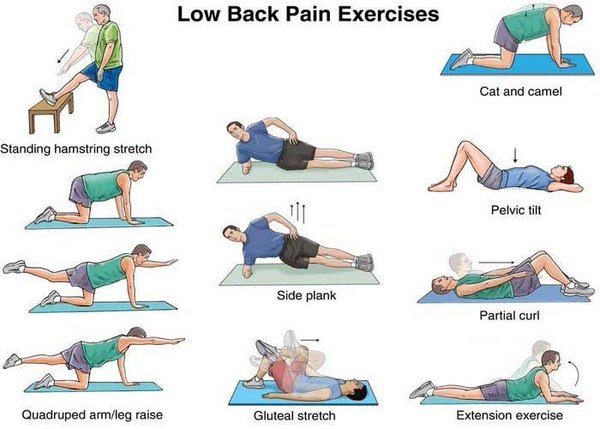
Regular exercise and stretching can help strengthen the muscles in the lower back and improve flexibility.
3. Psoas Stretch
Lie on your back with your knees bent and feet flat on the floor. Slowly lift your legs up towards the ceiling, keeping them straight, until you feel a stretch in your lower back. Hold for 30 seconds and repeat several times.
4. Sphinge Stretch
Lie on your stomach with your arms under your shoulders and legs extended in front of you. Slowly lift your head and shoulders off the ground, keeping your arms and legs relaxed, until you feel a stretch in your upper back. Hold for 30 seconds and repeat several times.
Other Remedies
In addition to massage and exercise techniques, other remedies may include:
- Heat or cold therapy to reduce pain and inflammation
- Rest and relaxation to allow the body to heal
- Good posture and ergonomic practices to prevent strain on the lower back
- A healthy diet and regular exercise routine to maintain overall health and well-being
Medical Treatment Options
While natural remedies can provide relief from lower back pain, medical treatment may be necessary in some cases. Medical treatment options for lower back pain include:
- Physical therapy: This type of therapy involves exercises, stretches, and manual therapies to improve flexibility and strength.
- Medications: Over-the-counter pain relievers such as ibuprofen or acetaminophen can help reduce pain and inflammation. In some cases, prescription medications may be necessary.
- Surgery: In severe cases of lower back pain, surgery may be required to relieve pressure on the spine or repair damaged tissues.
Prevention Strategies
While it is not possible to completely prevent lower back pain, there are several strategies that can help reduce your risk:
- Maintain a healthy weight
- Engage in regular exercise and stretching
- Practice good posture
- Avoid heavy lifting or bending
- Get enough sleep and practice stress-reducing techniques
Conclusion
Lower back pain is a common condition that can be caused by a variety of factors. By understanding the causes, symptoms, and treatments for lower back pain, individuals can take steps to alleviate their discomfort and prevent future episodes. In addition to medical treatment, natural remedies such as massage, exercise, and heat therapy can provide effective relief from lower back pain.
Frequently Asked Questions
- What is the best way to treat lower back pain?
The best way to treat lower back pain depends on the underlying cause and severity of the condition. Medical treatment may be necessary in some cases, while natural remedies such as massage, exercise, and heat therapy can provide effective relief. - How can I prevent lower back pain?
To prevent lower back pain, practice good posture, maintain a healthy weight, engage in regular exercise, and avoid heavy lifting or bending. - What are the most common causes of lower back pain?
The most common causes of lower back pain include poor posture, sedentary lifestyle, muscle strain or overuse, and sudden injury or trauma. - Can I cure lower back pain permanently?
While it may be possible to alleviate symptoms and prevent future episodes, there is no permanent cure for lower back pain. - What are the most effective exercises for lower back pain relief?
The most effective exercises for lower back pain relief include stretching, strengthening, and core exercises that target the muscles in the lower back. - Can I use heat or cold therapy to treat lower back pain?
Yes, heat or cold therapy can be used to reduce pain and inflammation associated with lower back pain. Consult with a healthcare professional before using either treatment method. - What is the difference between acute and chronic lower back pain?
Acute lower back pain is sudden and severe, while chronic lower back pain persists over time and may require ongoing treatment. - Can I treat lower back pain at home?
Yes, there are several natural remedies and exercises that can be done at home to alleviate lower back pain. However, if symptoms persist or worsen, consult with a healthcare professional for proper diagnosis and treatment.


