
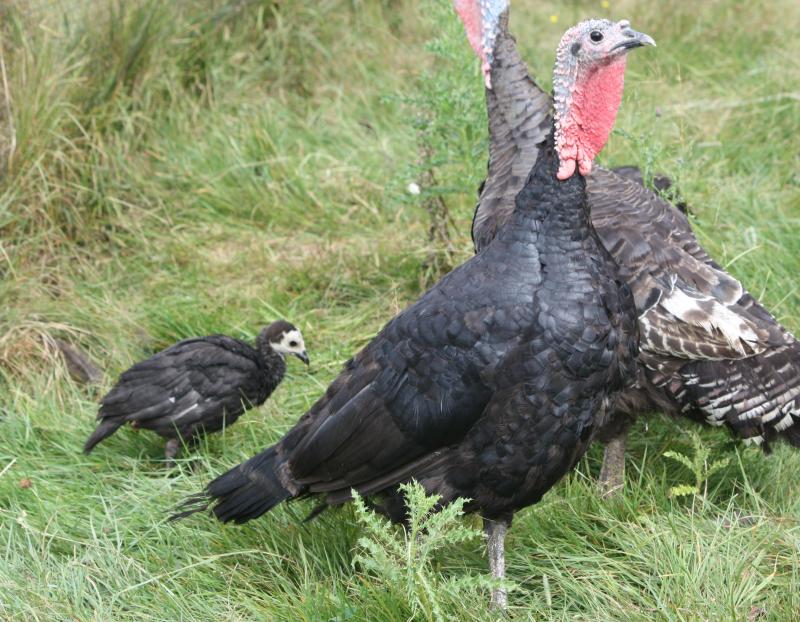
In recent years, there has been a growing interest in raising heritage breeds of turkeys, including the Italian Black Turkey. This breed is known for its distinctive black plumage, small size, and unique characteristics that make it an ideal choice for backyard flocks and small-scale farming operations.
Introduction to the Italian Black Turkey
The Italian Black Turkey, also known as Tacchino Nero d’Italia, is a rare breed of turkeys that originated in Italy. This article will delve into the history of this breed, its characteristics, and how it can be raised. The Italian Black Turkey is a unique breed that is not commonly found outside of Italy, making it an exciting addition to any poultry enthusiast’s collection.
A Brief History of the Italian Black Turkey
The history of the Italian Black Turkey dates back to the 16th century when French farmers began breeding black turkeys in the region known as Normandy. These early breeders sought to create a smaller and more rustic turkey with reduced dimensions, making it more agile and easier to handle.
Over time, the Italian Black Turkey was developed through careful selection and breeding of existing black turkey birds on their territory. The breed gained popularity in Italy and spread throughout the country, where it became an integral part of traditional farming practices.
Raising the Italian Black Turkey
One of the most appealing aspects of raising Italian Black Turkeys is that they do not require extensive work or specialized equipment. Those who are lucky enough to live in rural areas have the opportunity to raise turkeys naturally, between pastures and rustic shelters where turkeys can shelter from harsh weather conditions.
Italian Black Turkeys are known for their loyalty, just like dogs. We don’t mean that they can be trained as pets or carried on leashes, but rather that they are easy to care for outdoors. They will not escape or require any fencing, making them an ideal choice for small-scale farming operations or backyard flocks.
Breeding and Incubation
When it comes to breeding Italian Black Turkeys, males (toms) play a crucial role in reproduction. The females (hens) have strong nesting instincts, making them ideal for incubating eggs. This breed is often used as a living incubator to raise other birds such as chickens, ducks, or geese.
Male Italian Black Turkeys are also known for their unique courtship rituals, which involve displays of plumage and vocalizations to attract females. The males will often engage in elaborate dances, flapping their wings and strutting around the farm, to showcase their strength and dominance.
Parenting and Care
After the eggs hatch, the parents take on the responsibility of caring for their young. The mothers are very protective of their chicks, and given that the female turkey has strong nesting instincts, it is not uncommon for her to be used as a living incubator to raise other species.
However, in artificial breeding environments, turkeys have a higher risk of contracting viral or parasitic diseases, which requires more attention in the first 7-8 months. This does not occur with natural breeding and raising of Italian Black Turkeys, where the birds are able to roam freely outdoors and develop a strong immune system.
Egg Production
Female Italian Black Turkeys produce an average of 80 to 120 eggs per year, with each egg weighing at least 70 grams. The eggs have a white or ivory color and are covered in small brown speckles.
In terms of production capacity, Italian Black Turkeys are generally considered to be moderate egg producers. However, the breed’s unique characteristics make it an ideal choice for small-scale farming operations or backyard flocks, where high egg production is not necessary.
Physical Characteristics
The Italian Black Turkey’s distinctive feature is its black plumage, which shines in both males and females. Occasionally, young turkeys may display bronze-colored edges on their dorsal feathers and tails. As they mature, the turkey’s legs change from black to a range of violet to dark red shades.
In terms of size, male Italian Black Turkeys can weigh up to 6 kg, while females never exceed 3.5 kg. The Italian Black Turkey is likely the smallest and lightest breed of turkey worldwide.
Conservation Status
Unfortunately, the Italian Black Turkey is considered an endangered breed due to a decline in numbers over the years. Efforts are being made by conservation organizations and poultry enthusiasts to raise awareness about the breed’s unique characteristics and promote its conservation.
By learning more about this fascinating breed, we can work together to ensure that the Italian Black Turkey continues to thrive for generations to come.
Nutrition and Health
Italian Black Turkeys are known for their hardiness and resistance to disease. However, like all birds, they require a balanced diet and proper care to stay healthy.
In terms of nutrition, Italian Black Turkeys require a high-quality commercial turkey feed or a nutritious homegrown diet that includes a mix of grains, fruits, and vegetables. The breed is also known for its high fertility rate, making them an ideal choice for breeding programs.
Conclusion
The Italian Black Turkey is a rare and fascinating breed that offers many unique characteristics and benefits to farmers and poultry enthusiasts alike. Its small size, hardiness, and unique plumage make it an ideal choice for small-scale farming operations or backyard flocks.
By learning more about this incredible breed, we can work together to ensure its conservation and promote the values of sustainable and responsible agriculture practices. Whether you’re a seasoned farmer or just starting out, the Italian Black Turkey is definitely worth considering as part of your flock or farm.


