
When it comes to deciding whether or not to install a condensing boiler, many factors come into play. In this article, we’ll delve into the pros and cons of these energy-efficient systems to help you make an informed decision.
What is a Condensing Boiler?
A condensing boiler is a type of heating system that produces more heat than traditional boilers while using less fuel. It does so by recovering heat from the exhaust gases, which would otherwise be wasted. This process increases the overall efficiency of the system.
The Science Behind Condensing Boilers
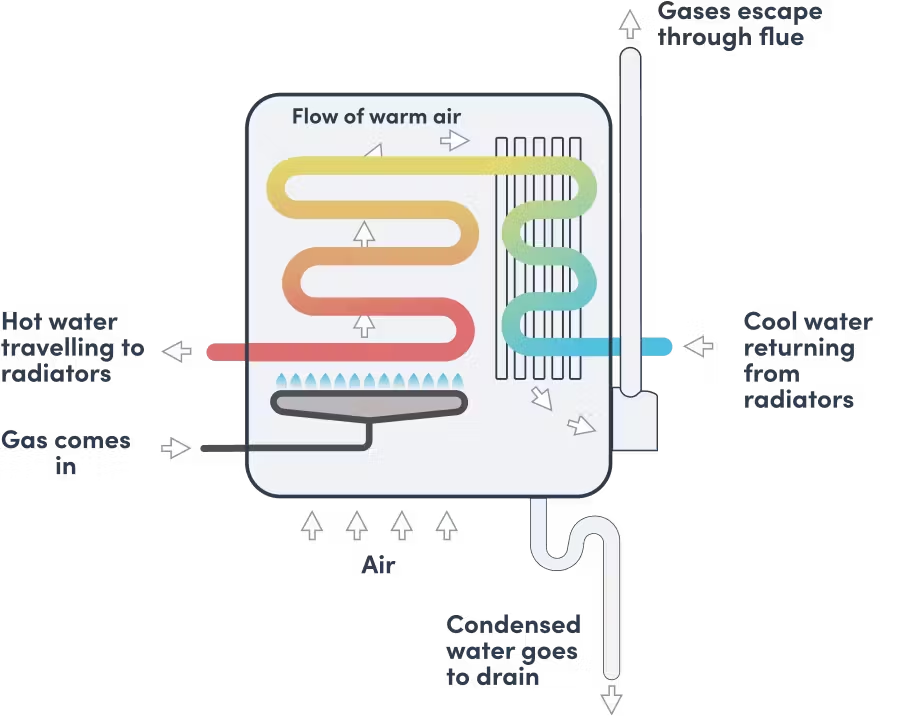
Condensing boilers work on the principle of condensation, where the combustion process is optimized to produce more heat energy than traditional systems. The key components involved in this process are:
- Combustion Chamber: This is where the fuel (usually natural gas or oil) is burned to produce a high-temperature flue gas.
- Condenser Coils: These coils are responsible for recovering heat from the exhaust gases, which would otherwise be wasted.
- Heat Exchanger: The heat exchanger transfers the recovered heat to the water or other fluid that produces steam.
Benefits of Condensing Boilers
The benefits of condensing boilers include:
- Energy Efficiency: They produce more heat energy than traditional boilers while using less fuel, resulting in lower operating costs.
- Lower Emissions: By recovering heat from exhaust gases, these systems reduce the amount of harmful emissions released into the atmosphere.
- Increased Reliability: Condensing boilers are designed to operate for a long time without requiring maintenance or repairs.
Common Types of Condensing Boilers
There are several types of condensing boilers available in the market, including:
- Package Condensing Boilers: These systems consist of all the necessary components (combustion chamber, condenser coils, heat exchanger) in a single unit.
- Modulating Condensing Boilers: These units use electronic controls to optimize combustion and reduce emissions.
Installation Considerations
Before installing a condensing boiler, consider the following factors:
- Space Requirements: Ensure that there is enough space for the system components to fit comfortably in your home or industrial setting.
- Power Supply: You may need additional power supply units or electrical connections to support the operation of the condensing boiler.
- Drainage and Ventilation: Proper drainage and ventilation are crucial for safe operation and longevity of the system.
Residential Applications
For homes with a high demand for heat and insulation, a condensing boiler can be an excellent choice. These systems are well-suited for homes with radiant floor heating or wall-mounted radiators. Some common types of residential applications include:
- New Builds: Condensing boilers are often installed in new homes to maximize energy efficiency and comfort.
- Renovations: Homeowners can upgrade their existing boiler system with a condensing unit for improved performance.
Industrial and Commercial Settings
In these cases, the cost of installing a condensing boiler may not be justified due to the low operating temperatures and high energy consumption. However, there are some scenarios where industrial or commercial settings can benefit from these systems:
- District Heating Systems: Large-scale heating systems that distribute heat throughout an entire building or campus can benefit significantly from the efficiency of condensing boilers.
- Low-Volume Applications: In situations where low volumes of hot water are required, such as in medical facilities or laboratories, a condensing boiler can provide reliable performance.
Case Studies
Some case studies have found that:
- In the residential sector, condensing boilers are considered an efficient and reliable choice for many homeowners.
- However, in certain industrial settings, such as supermarkets and banks, other technologies like cogeneration or heat pumps can provide better performance and cost savings.
In conclusion, whether a condensing boiler is worth it depends on your specific situation. Consider factors such as climate, home size and insulation, usage patterns, and the type of fuel used to determine if this technology aligns with your needs.


