
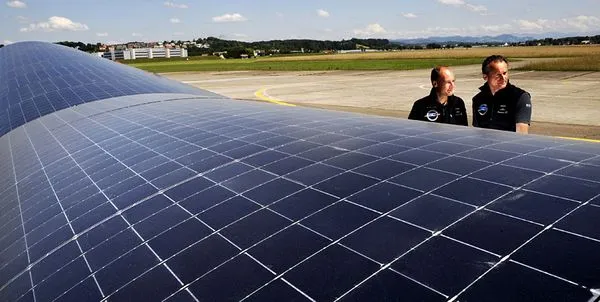
As we gaze into the future, one thing is certain – the world of aviation will never be the same. The integration of electric motors and solar power into aircraft has reached unprecedented levels, leaving us with more questions than answers. Are flying cars powered by solar panels the key to revolutionizing the industry?
What’s Behind the Solar-Powered Revolution?
The rapid progress in the field of aviation is nothing short of astonishing. Planes are now equipped with motors that harness the power of electricity, while also showcasing aerodynamic designs optimized for electric propulsion. Moreover, innovative aircraft designs featuring wing shapes and configurations tailored to electric flight have emerged.
As engineers delve deeper into e-avionics, we’re witnessing the birth of a new era in aviation. Solar Impulse, a pioneering project that has already covered vast distances without relying on fossil fuels, is an exemplary model for the future. This groundbreaking initiative demonstrates the potential of harnessing solar energy to power aircraft.
The Case for Solar-Powered Aviation
The benefits of incorporating solar panels into aircraft are multifaceted:
- Renewable Energy Source: Solar energy is a clean and sustainable alternative to fossil fuels, significantly reducing carbon emissions.
- Increased Efficiency: Electric motors and solar-powered systems can optimize flight performance, leading to improved fuel efficiency and reduced operating costs.
- Reduced Maintenance: Electric aircraft require less maintenance compared to traditional fossil-fuel-based planes.
Solar-Powered Elicopters: A Growing Trend
The integration of solar panels into elicotters has become a growing trend. In 2011, Thomas Senkel successfully flew a multicopter composed of 16 rotors, powered by solar energy and controlled using a joystick.
More recently, students at the University of Queen Mary in London have designed an innovative elicotor featuring pannell solarics that power two pairs of rotors positioned on opposite sides of the aircraft.
A New Era for Multicotter Aircraft
The concept of multicotter aircraft is gaining traction. This term refers to a type of aircraft with multiple rotors, providing enhanced stability and maneuverability.
The prototype designed by the students at Queen Mary University features an electric propulsion system powered by solar panels, making it the first “multicotter” aircraft in history to be fueled by this innovative technology.
Challenges Ahead
While solar-powered aviation holds tremendous promise, there are still significant challenges that need to be addressed:
- Energy Density: Solar panels require a substantial surface area to generate enough energy for sustained flight.
- Weight and Size Constraints: The added weight of solar panels can impact an aircraft’s overall performance and efficiency.
Conclusion: A Bright Future Ahead
As we continue to push the boundaries of innovation, it’s clear that solar-powered flying cars will play a significant role in shaping the future of aviation. With ongoing research and development, we can expect to see more efficient and sustainable solutions emerge.
Will Solar Impulse be the harbinger of a new era in aviation? Only time will tell, but one thing is certain – the possibilities are endless.
Frequently Asked Questions
- What is the primary benefit of using solar panels in aircraft?
- The primary benefit of using solar panels in aircraft is to provide a clean and sustainable alternative to fossil fuels.
- How do electric motors improve flight performance?
- Electric motors can optimize flight performance by providing more efficient propulsion and reduced energy consumption.
- What are some potential challenges associated with incorporating solar panels into aircraft design?
- Potential challenges include the need for larger surface areas to generate sufficient energy, as well as weight and size constraints that impact overall performance.
Additional Resources
- For more information on Solar Impulse and its innovative approach to sustainable aviation, visit their official website at www.solarimpulse.com.
- To learn more about the University of Queen Mary’s research in solar-powered elicotter design, please refer to their academic publications.
The Future of Solar-Powered Aviation: Trends and Developments
As we look ahead, it’s clear that solar-powered aviation is poised for significant growth. Several key trends and developments are shaping the industry:
- Advances in Solar Panel Technology: Continued improvements in solar panel efficiency and energy density will enable aircraft to generate more power from smaller surfaces.
- Increased Adoption of Electric Motors: The use of electric motors in aircraft design will become more widespread, allowing for improved efficiency and reduced emissions.
- Development of New Aircraft Designs: Innovative designs featuring wing shapes and configurations tailored to electric flight are being developed, promising improved performance and efficiency.
The Role of Governments and Regulators
Governments and regulators play a crucial role in shaping the future of solar-powered aviation. Policies and regulations that support the development and adoption of sustainable technologies will be essential for driving growth in the industry:
- Incentives for Sustainable Aviation: Governments can offer incentives, such as tax breaks or subsidies, to encourage the development and adoption of sustainable aviation technologies.
- Regulatory Frameworks: Regulators must create and enforce frameworks that support the safe and efficient operation of solar-powered aircraft.
- Public Education and Awareness: Governments can launch public education campaigns to raise awareness about the benefits of solar-powered aviation and promote the adoption of sustainable technologies.
The Impact on the Environment
Solar-powered aviation has the potential to significantly reduce its environmental impact:
- Reduced Emissions: Solar-powered aircraft emit significantly less greenhouse gases compared to traditional fossil-fuel-based planes.
- Conservation of Natural Resources: The use of solar power reduces reliance on finite resources, such as fossil fuels.
- Protection of Biodiversity: By reducing emissions and promoting sustainable aviation practices, we can help protect the natural world for future generations.
The Economic Benefits
Solar-powered aviation has significant economic benefits:
- Job Creation: The development and adoption of sustainable aviation technologies will create new job opportunities in fields such as engineering, manufacturing, and maintenance.
- Reduced Operating Costs: Solar-powered aircraft can reduce operating costs by minimizing fuel consumption and extending flight ranges.
- Increased Efficiency: Improved efficiency and reduced emissions will enable airlines to operate more sustainably and profitably.
Conclusion
As we look ahead, it’s clear that solar-powered flying cars will play a significant role in shaping the future of aviation. With ongoing research and development, we can expect to see more efficient and sustainable solutions emerge. As governments, regulators, and industry leaders, we must work together to create an enabling environment for the adoption of solar-powered aviation technologies.
Will Solar Impulse be the harbinger of a new era in aviation? Only time will tell, but one thing is certain – the possibilities are endless.


