
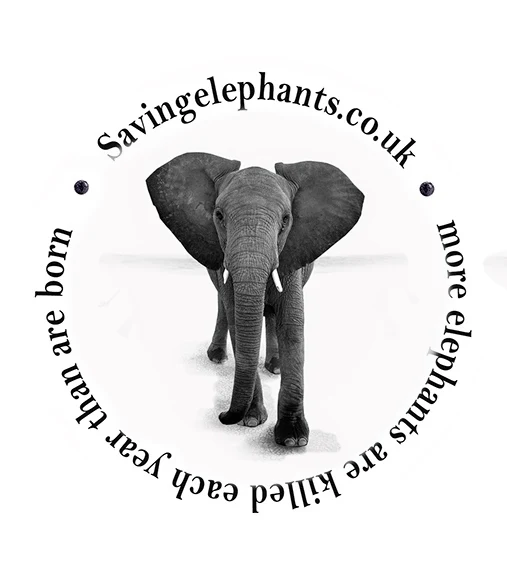
As travelers, we love exploring new lands, visiting continents, and enriching our culture with that of other countries. Among the most ambitious trips is the famous Safari in Africa, but if we don’t protect local wildlife, there won’t be much left to see soon. The elephant is a symbol of the heart green of Africa and only 26.4 tons of ivory were seized in 2011, the situation in 2012 did not improve, and the WWF launched an appeal asking: “Save African Elephants with One Million Signatures”.
The Plight of African Elephants
Even Google has stepped into the fight against poachers, but it’s not enough: there’s still someone who finances the illegal trade of exotic animals and materials like ivory. Be mindful of what you bring back from your vacation! With the wrong purchases, you’re not only funding the illegal activities of poachers, but also threatening many species of animals. Today, the main victims are African elephants, but soon the same fate will befall elephants in Thailand.
Massive amounts of African ivory are sold every day in Thai markets: every year, tens of thousands of elephants are killed for their tusks. The dramatic phenomenon of elephant poaching is growing, and until March 14th, the WWF will collect signatures to ask Thai Prime Minister Yingluck Shinawatra to ban all forms of ivory trade in Thailand. Although the ivory trade is legal in some localities, it’s at the base of illegal elephant killings.
The Importance of Tourist Action
Of course, ivory trading is legal in some localities, and that’s where tourists have to make ethical choices. As a traveler, you can take decisions that reduce demand for products from endangered species. Why buy jewelry made from ivory and return home with coral and shells? The experience should be enough, and local artisans offer many products that harm the local fauna.
Reducing Demand: An Individual’s Responsibility
Individuals have a significant impact on reducing demand for ivory and other endangered species products. By making informed choices as consumers, we can contribute to the protection of African elephants. Here are some ways you can make a difference:
- Choose eco-friendly souvenirs or gifts that won’t harm local wildlife.
- Research the origin of your purchases to ensure they’re not contributing to poaching.
- Support organizations working to protect African elephants and their habitats.
The Role of Governments
Governments need to speak up at this opportunity – the upcoming CITES Conference in Thailand on March 14th is a chance to strengthen legislation, increase controls and sanctions for all activities threatening biodiversity. This conference will bring together governments, conservationists, and experts to address the issue of ivory trading and elephant poaching.
The Impact of Consumer Choices
What can you do? Make eco-friendly choices when shopping for souvenirs or clothing from countries where elephants are endangered. Choose products that don’t contribute to the decline of elephant populations. By making these conscious choices, we can reduce demand for ivory and other endangered species products, ultimately contributing to the protection of African elephants.
Conclusion
We have a responsibility to protect our planet’s incredible diversity and preserve its precious wildlife, including African elephants. It starts with making informed choices as consumers and advocating for stricter laws and regulations to combat wildlife trafficking. By working together, we can ensure that future generations can enjoy the beauty and wonder of these magnificent creatures.
Frequently Asked Questions (FAQs)
- What can I do to help save African elephants?
- Make eco-friendly choices when shopping.
- Choose products that don’t contribute to the decline of elephant populations.
- Support organizations working to protect them.
- How does ivory trading affect elephant populations?
- Ivory trading is a major threat to elephant populations, as it drives poaching and leads to the decline of these magnificent creatures.
- What can I do if I’ve already bought products made from ivory or other endangered species?
- Return your purchases to the seller and choose alternative gifts that won’t harm wildlife.
- Can I visit Thailand without supporting elephant poaching?
- Yes, you can still have a wonderful time in Thailand while respecting local wildlife.
- What organizations are working to protect African elephants?
- Many reputable organizations, like the WWF, are dedicated to protecting African elephants and their habitats.
- How many elephants are killed for ivory every year?
- Unfortunately, tens of thousands of elephants are killed annually for their tusks.
- What’s being done to stop elephant poaching in Africa?
- Governments, conservation organizations, and local communities are working together to protect elephant habitats and prevent poaching.
- Can I help reduce demand for ivory products?
- Yes, by choosing not to buy products made from ivory or other endangered species, you can reduce the demand driving poaching and support conservation efforts.


