
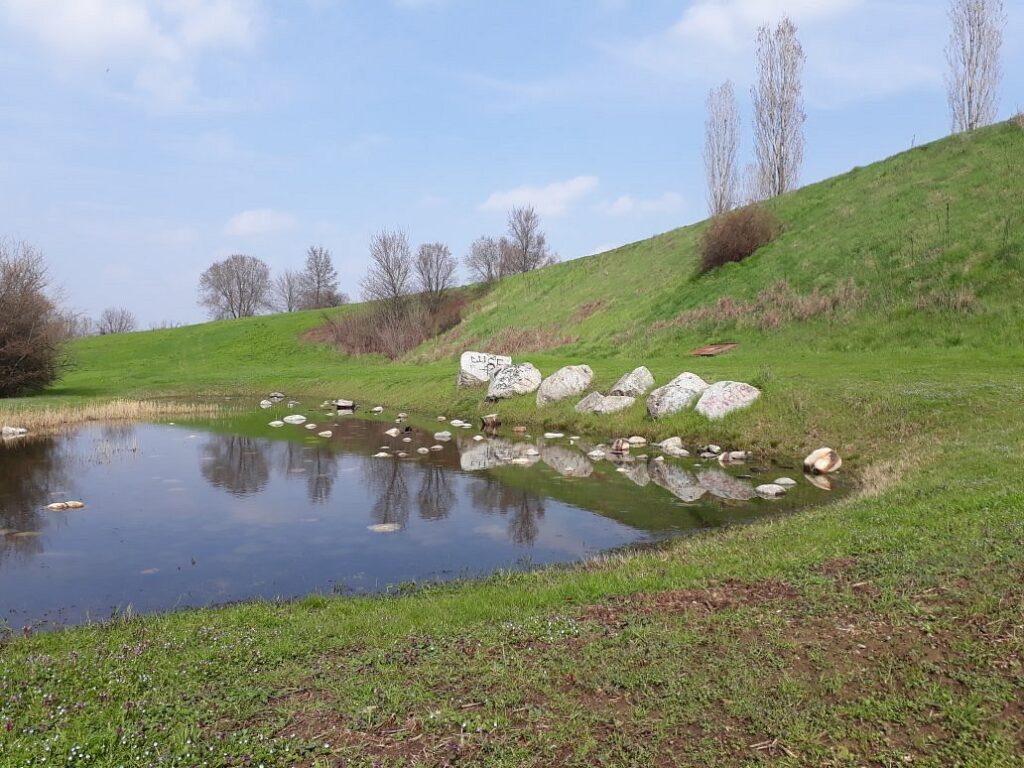
In this article, we’ll delve into the world of psicogeography, a concept that has been gaining attention in recent years. We’ll explore what it means to be a “video maker” and how you can participate in creating a documentary about the Parco Media Valle Lambro, a stunning park located in Italy. So, let’s get started!
Understanding Psicogeography: A Methodology of Induction
Psicogeografia is an Italian term that roughly translates to “psychogeographic exploration.” It was first introduced in the 1950s as part of the lettrist movement, a avant-garde art movement that sought to explore the relationship between human psychology and urban environment. Today, psicogeography has evolved into a methodology for understanding the complex interactions between our minds and the natural world.
Psicogeography is not just about walking in nature; it’s an act of self-discovery, where individuals explore their own thoughts, emotions, and behaviors in relation to their surroundings. This movement encourages people to think critically about how they perceive and interact with their environment, often revealing hidden patterns and connections that were previously unknown.
A Call to Action: Joining the Psicogeographic Expedition
The Parco Media Valle Lambro is thrilled to announce an exciting opportunity for video makers to participate in creating a documentary about this beautiful park. The project aims to explore the psychological connections between visitors and the park’s landscape, using a unique blend of storytelling, guided walks, concerts, and interactive activities.
Who Can Participate?
This initiative is open to anyone interested in exploring the human psyche through nature. Whether you’re a professional or an enthusiast, we invite you to join us on this journey. The project will take place on two consecutive weekends (June 21-22), during which time participants will engage in guided walks, workshops, and other activities designed to stimulate your creativity and spark new insights.
Meet the Team: Experts and Creatives Joining the Expedition
We’re excited to announce that some remarkable individuals have agreed to join us on this project. Meet Gianni Biondillo, Michele Monina, Sebastiano Brandolini, Giuseppe Baresi, Saverio Paffumi, Elisabetta Bianchessi, Rafael Didoni, Germano Lanzoni, Flavio Pirini, Walter Leonardi, and the band Gogol Borghezio. Together, we’ll create a unique documentary that showcases the beauty of nature and human imagination.
What is Psicogeography? A Brief History
Psicogeography has its roots in the 1950s, when artists began exploring the relationship between urban environments and human psychology. This movement was driven by a desire to understand how our surroundings shape our thoughts, emotions, and behaviors. Today, psicogeography continues to evolve, as we recognize the importance of reconnecting with nature and redefining our place within the natural world.
The Lettrist Movement: A Pioneer in Psicogeography
The lettrist movement was a key player in the development of psicogeography. Founded by Guy Debord, the movement sought to challenge traditional notions of art and culture. They believed that art should be more than just a creative expression; it should also be a form of social commentary.
How Psicogeography Can Be Applied
Psicogeography is not limited to urban environments; it can also be applied in natural settings like parks, forests, and even rural areas. By immersing ourselves in nature, we can tap into its therapeutic benefits, such as reduced stress levels and improved mental well-being.
Tips for Getting the Most Out of Your Psicogeographic Experience
- Leave your preconceptions behind: Be open to new experiences and perspectives.
- Observe your surroundings carefully: Pay attention to the small details that often go unnoticed.
- Reflect on your emotions: Explore how your emotions respond to different environments.
- Connect with nature: Engage with plants, animals, and other living organisms.
A New Approach to Storytelling: Incorporating Psicogeography
The concept of storytelling is evolving, with psicogeography playing a key role in this shift. By incorporating the principles of psicogeography into your documentary-making process, you’ll be able to create stories that are more nuanced and thought-provoking.
What You Can Expect from This Documentary Project
This project offers an incredible opportunity to explore the connections between nature and human psyche. Over two weekends, we’ll engage in guided walks, workshops, concerts, and interactive activities designed to stimulate your creativity and spark new insights.
How Will the Documentaries Be Created?
The documentaries will be created using a combination of techniques, including:
- Interviews with participants
- Observation footage
- Music and soundscapes
Preparation is Key: A Guide for Participants
To prepare for this extraordinary journey into the world of psicogeography, we invite you to:
• Read more about the project on our website
• Review the program for the two weekend events
• Choose your activities and workshops from our selection
Conclusion: Joining Forces to Unlock Hidden Connections
As we embark on this psicogeographic expedition, we’re reminded that the boundaries between nature and human psyche are not as clear-cut as we once thought. By joining forces with us, you’ll become part of a vibrant community of creatives and thinkers who share a passion for exploring the unknown.
Frequently Asked Questions
- What is psicogeography?
Psicogeografia is an Italian term that roughly translates to “psychogeographic exploration.” It refers to a methodology for understanding the complex interactions between our minds and the natural world. - Who can participate in this project?
Anyone interested in exploring the human psyche through nature is welcome to join us on this journey. - What will happen during the two weekend events?
Guided walks, workshops, concerts, and interactive activities will take place on both weekends, designed to stimulate creativity and spark new insights. - Will there be any costs involved?
No fees are required for participation, although we may ask for a small contribution to cover materials and organization costs. - What kind of support can I expect from the team?
Our team of experts will provide guidance, support, and resources to help you navigate this unique experience. - Will there be any physical requirements or restrictions?
Please consult our website for more information on accessibility and physical demands associated with the project. - Can I submit my own content or ideas?
We encourage you to share your creative work or ideas related to psicogeography, but please check our guidelines before submission. - How can I stay updated about this project?
Visit our website for regular updates on the project, including information on the team, program, and more.
Join us on this extraordinary journey into the world of psicogeography, where we’ll uncover hidden connections between nature and human psyche. Sign up now and become part of a vibrant community of creatives and thinkers!


