
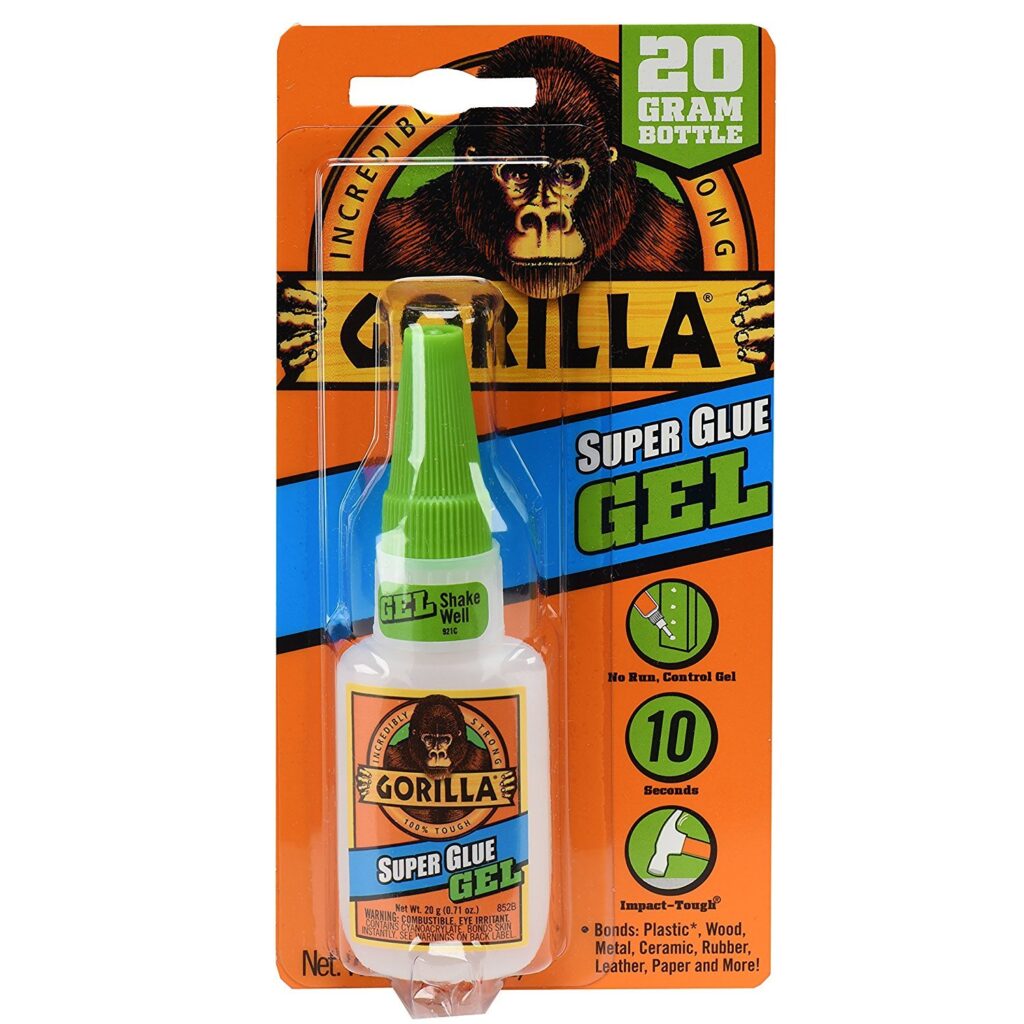
Are you new to aquarium keeping and want to make your tank more visually appealing? Using coral glue can be a great way to enhance the appearance of your tank. In this article, we’ll delve into the world of coral glue, explore its different types, and provide expert tips on selecting the right one for your needs.
Understanding Coral Glue
Coral glue is a specialized adhesive designed specifically for attaching corals to rocks or other surfaces in aquariums. It’s an essential tool for any aquarist looking to create stunning displays of marine life. But how does it work, and what are its benefits?
Methods for Attaching Corals
While coral glue can be a convenient solution, it’s not the only option. Here are some creative ways to attach corals without using glue:
- Using Spills: A small nail or pin can be used to hold the coral in place while it attaches to the rock.
- Spools and Vents: A spool of fishing line or a small vent can be used to gently grasp the coral and attach it to the rock.
- Fasciata da Elettricista: Using electrical tape can help hold corals in place while they attach to the rock.
- Pesi come Sassi o Rocce a Incastro: Heavy rocks or pieces of driftwood can be used to weigh down corals and keep them attached to the substrate.
When using these methods, it’s essential to handle the coral gently to avoid causing damage.
Choosing the Right Coral Glue
For most aquariums, a cyanoacrylate (CA) glue is recommended. However, some types of CA glues may contain metal particles that can be toxic to marine life. To ensure safety and effectiveness, look for a high-quality, marine-safe CA glue specifically designed for aquarium use.
Some popular brands include Reef Glue and Aqua-Seal. When choosing a coral glue, consider factors like durability, ease of application, and compatibility with your tank’s water parameters.
Using Coral Glue: A Step-by-Step Guide
To apply coral glue effectively:
- Prepare the Area: Make sure the rock or surface is clean and dry before applying glue.
- Apply the Right Amount: Use a small amount of glue to avoid creating a mess.
- Attach the Corallium: Hold the corallium in place for about 30 seconds to allow it to attach.
Coral Glue vs. Epoxy
For larger rocks or more substantial coral formations, epoxy can be used instead of CA glue. However, keep in mind that epoxy takes longer to dry and can be more difficult to work with. Additionally, some epoxies may not be suitable for aquarium use due to their chemical composition.
FAQs
- What is the best type of coral glue for my aquarium?
Look for a marine-safe, cyanoacrylate-based glue specifically designed for aquarium use. - How do I attach corals without using glue?
Use methods like spools, vents, or fasciata da elettricista to gently grasp the coral and secure it in place. - Can I use epoxy instead of CA glue?
Yes, but be aware that epoxy takes longer to dry and can be more challenging to work with. - How do I prevent damage when handling corals?
Handle corals gently and avoid touching their delicate surfaces. - What are the potential risks associated with using coral glue?
CA glues may contain metal particles toxic to marine life. Always choose a high-quality, marine-safe glue specifically designed for aquarium use. - How long does it take for coral glue to dry?
The drying time will depend on the type of glue and environmental conditions.
By following these guidelines and selecting the right coral glue for your needs, you can successfully attach corals to rocks or other surfaces in your aquarium, creating a stunning display of marine life. Remember to always handle corals gently and choose high-quality, marine-safe glues to ensure a thriving and beautiful aquarium.
Common Mistakes to Avoid
When using coral glue, there are several common mistakes to avoid:
- Over-applying glue: Using too much glue can create a mess and make it difficult to clean up.
- Applying glue in the wrong direction: Make sure to apply the glue in the correct direction to ensure proper adhesion.
- Not allowing the coral to attach properly: Hold the corallium in place for at least 30 seconds to allow it to fully attach.
By avoiding these common mistakes, you can ensure a successful attachment process and create a stunning display of marine life in your aquarium.
Conclusion
Using coral glue is a great way to enhance the appearance of your tank. By choosing the right type of glue, following proper application techniques, and selecting high-quality glues specifically designed for aquarium use, you can create a thriving and beautiful aquarium. Remember to always handle corals gently and avoid common mistakes to ensure success.
In conclusion, sticking to success when it comes to gluing corals for your aquarium requires patience, attention to detail, and the right tools. By following these guidelines and tips, you can create a stunning display of marine life that will thrive in your aquarium for years to come.


