
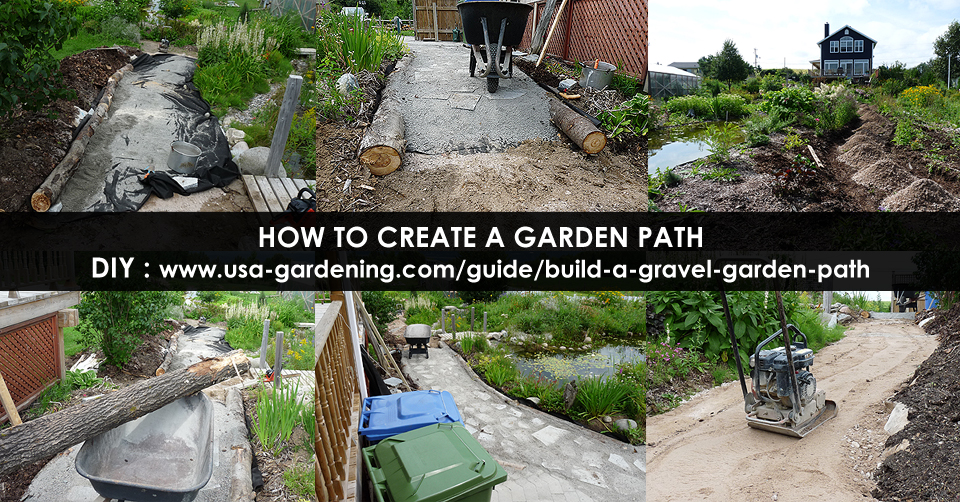
In this article, we’ll explore the process of creating a path using various materials. We’ll cover the different types of materials you can use, the challenges involved in building a path, and provide step-by-step instructions on how to create a beautiful and functional path.
What Can Be Used to Create a Path?
A path can be created using a variety of materials, including recycled materials like old railway tracks and stone tiles. You can also find specialized materials at gardening stores, such as:
- Fake wood elements: These are ideal for creating a natural-looking surface that mimics the look of real wood.
- Autoblocers: Autoblocers are made from recycled plastic and are perfect for creating a durable and low-maintenance path.
- Cinder blocks: Cinder blocks are a cost-effective option for building a path. They can be used to create a solid foundation or as individual pavers.
- Beoles: Beoles are a type of stone that is often used in landscaping projects. They come in a variety of colors and textures, making them versatile for different design styles.
- River stones: River stones are smooth and rounded, giving them a natural, organic look. They can be used to create a beautiful and functional path.
- Pebbles: Pebbles are small and round, making them perfect for creating a decorative surface or accentuating specific features in your garden.
The Challenges of Creating a Path
Creating a path can be challenging due to two main factors: the type of material used and the terrain. If you’re building a path for pedestrians only, you can use the materials directly on the ground or on a layer of sand or compacted surface. However, if you need to create a path for vehicles, you’ll need to install a reinforced concrete base with steel mesh reinforcement.
Another crucial aspect is creating a drainage system that can handle rainwater effectively, preventing puddles and other issues.
Creating a Path: A Step-by-Step Guide
1. Preparing the Ground
To create a pedestrian-friendly path, start by clearing the area of any vegetation. If you’re working on a lawn, remove the grass in the areas where you’ll be placing the pavers or stones. This will ensure stability and prevent weeds from growing up through the material.
2. Spacing
When spacing your materials, consider two options:
- Fill the gaps between the materials with compacted gravel or sand.
- Plant creeping plants or grasses to fill in the gaps and create a natural-looking surface.
In either case, regular maintenance will be necessary to keep the path looking its best.
3. Laying Out the Materials
The arrangement of your materials depends on their shape and size. For example:
- If using square stones, consider creating a grid pattern with spaces for plants or growth.
- Irregular river stones can create a natural, organic look when spaced at varying intervals.
- If building an adjacent path to a flowering shrub or tree, consider alternating the direction of the stones to mimic the branching patterns of the plant.
Ultimately, the choice is yours, and you should feel free to experiment with different arrangements until you find one that suits your style.
Additional Tips and Considerations
When creating a path, there are several additional factors to consider:
- Leveling: Make sure the ground is level before laying down the materials. This will prevent unevenness and ensure that the path looks its best.
- Drainage: Create a drainage system that can handle rainwater effectively, preventing puddles and other issues.
- Maintenance: Regular maintenance will be necessary to keep the path looking its best. Clean up any debris or weeds regularly and consider sealing the materials every few years to protect them from the elements.
By following these steps and considering the unique challenges and opportunities presented by each material, you can create a beautiful and functional path that enhances your outdoor space.
In addition to creating paths in gardens, you can also use this technique to enhance public spaces such as parks and walkways. By incorporating creative design elements and selecting materials that are both durable and visually appealing, you can create paths that not only provide functionality but also serve as a focal point for the surrounding environment.
Ultimately, building a path is a fun and rewarding project that allows you to express your creativity and enhance your outdoor space. With the right materials and some planning, you can create a beautiful and functional path that adds value and character to your home or public space.


