
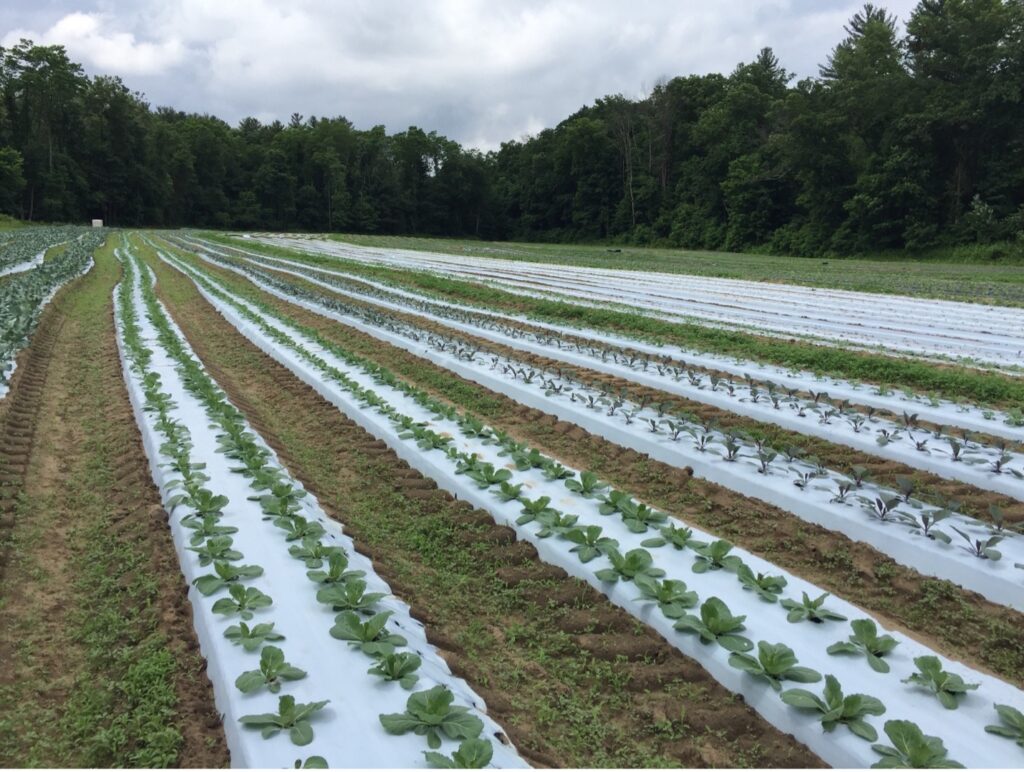
As we continue to face the devastating consequences of plastic pollution, it’s essential to explore alternative materials for mulching that can help reduce waste and promote sustainability. In this article, we’ll delve into the world of biodegradable plastic mulch, exploring its benefits, drawbacks, and how it compares to traditional plastic mulch.
The Problem with Traditional Plastic Mulch
Plastic mulch has become a ubiquitous component of agricultural practices, but its environmental impact is staggering. From clogging oceans and waterways to contaminating soil and killing off beneficial microorganisms, the effects of traditional plastic mulch on our ecosystem are far-reaching and devastating.
So, what sets biodegradable plastic mulch apart? Biodegradable means that these plastics can break down naturally in the environment, reducing the risk of long-term pollution. But how does it compare to its traditional counterpart?
The Good, the Bad, and the Ugly: Biodegradable Plastic Mulch
Biodegradable plastic mulch is made from materials like starch-based bioplastics or plant-based polymers. These materials are designed to degrade quickly in composting environments, reducing waste and minimizing the risk of environmental contamination.
However, there are some key drawbacks to consider:
- Short lifespan: Biodegradable plastics typically last only a few months, which means they need to be replaced frequently.
- Moisture sensitivity: Many bioplastics can degrade quickly in wet conditions, reducing their effectiveness as mulch.
- Limited availability: Biodegradable plastics are still relatively rare compared to traditional plastic mulch.
Despite these limitations, biodegradable plastic mulch has several advantages:
- Reduced greenhouse gas emissions: By breaking down naturally, bioplastics can reduce the amount of CO2 released into the atmosphere.
- Less soil contamination: Biodegradable plastics are less likely to leach chemicals into the soil, reducing the risk of soil pollution.
The Cost: Is Biodegradable Plastic Mulch Worth It?
One of the most significant challenges facing biodegradable plastic mulch is its high cost. Compared to traditional plastic mulch, bioplastics can be significantly more expensive – a factor that may deter some farmers and gardeners from adopting this sustainable alternative.
However, consider the long-term benefits:
- Reduced waste: By using biodegradable plastics, we can significantly reduce the amount of waste sent to landfills.
- Increased crop yields: Bioplastics can help retain moisture in the soil, leading to healthier crops and increased yields.
The Future of Sustainable Mulching
As we move forward, it’s essential to explore new technologies and materials that can help us mitigate the negative impacts of traditional plastic mulch. By investing in biodegradable plastics and other sustainable alternatives, we can create a more environmentally friendly agricultural sector that benefits both people and the planet.
Frequently Asked Questions
- What are the most common types of biodegradable plastic mulch?
- Starch-based bioplastics
- Plant-based polymers
- How do I choose the right biodegradable plastic mulch for my needs?
- Consider factors like climate, soil type, and crop requirements.
- Can biodegradable plastics be used in composting environments?
- Yes, but they may require additional processing or treatment to ensure proper decomposition.
Conclusion
Biodegradable plastic mulch offers a promising solution for reducing waste and promoting sustainability in agricultural practices. While it has its limitations, the benefits of using bioplastics can’t be ignored. As we continue to explore new technologies and materials, we’ll move closer to creating a more environmentally friendly future – one that benefits both people and the planet.
Additional Resources
- National Institute of Food and Agriculture (NIFA) – Biodegradable Plastics
- A comprehensive guide to biodegradable plastics, including their production process, properties, and applications.
- US Environmental Protection Agency (EPA) – Bioplastics
- An overview of bioplastics, including their environmental benefits and challenges.
Glossary
- Biodegradable: Materials that can break down naturally in the environment.
- Composting: A process that involves decomposing organic materials to create nutrient-rich soil.
- Polymer: A type of material made up of repeating chemical bonds.


