
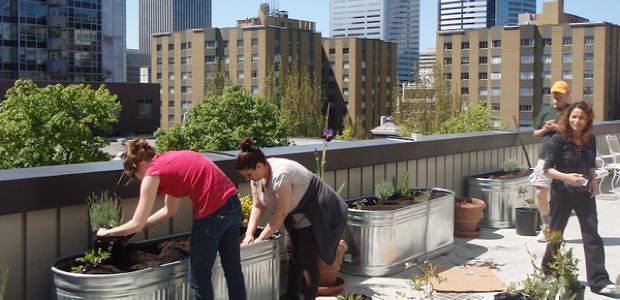
Composting is an effective way to reduce waste, create natural fertilizer for your plants, and contribute to a more sustainable lifestyle. With the increasing awareness of environmental issues, composting has become a popular gardening practice that can be applied to small spaces like balconies. In this comprehensive guide, we will explore the benefits of domestic composting on a balcony, provide tips and guidelines for success, and address common mistakes to avoid.
What is Domestic Composting?
Domestic composting refers to the process of breaking down organic waste into a nutrient-rich soil amendment that can be used as fertilizer for your plants. This process involves collecting and mixing organic materials like food scraps, yard trimmings, and other household waste with microorganisms that help decompose them.
Benefits of Domestic Composting on a Balcony
- Reduced Waste: By composting on a balcony, you can reduce the amount of organic waste sent to landfills, which helps minimize greenhouse gas emissions and conserve natural resources.
- Natural Fertilizer: The resulting compost is a nutrient-rich fertilizer that promotes healthy plant growth, reduces the need for synthetic fertilizers, and saves you money.
- Improved Soil Structure: Compost can help improve soil structure by increasing its water-holding capacity, aeration, and overall fertility.
- Contribution to Sustainable Living: By adopting composting on your balcony, you contribute to sustainable living practices that promote environmental stewardship and reduce your carbon footprint.
Can I Do Composting on My Balcony?
Yes, you can do composting on your balcony, even with limited space. Here are some tips to consider:
- Choose the Right Container: Select a container that is well-ventilated, easy to clean, and has good airflow.
- Optimize Space: Consider using vertical space or compact bins to maximize your balcony’s surface area for composting.
- Balance Moisture: Keep the compost pile moist but not soggy, as excess moisture can lead to anaerobic conditions.
Choosing the Right Materials for Your Compost Bin
When selecting materials for your compost bin, consider the following:
- Plastic Bins: Look for plastic bins with good airflow and a wide mouth for easy turning.
- Wooden Boxes: Wooden boxes can provide excellent air circulation and a natural, rustic look.
- Wire Mesh Containers: Wire mesh containers offer excellent ventilation while allowing for easy access.
What Can I Compost on My Balcony?
Only include organic materials in your compost, such as:
- Fruit and vegetable scraps
- Tea bags
- Coffee grounds
- Eggshells
- Yard trimmings
Avoid including meat, dairy products, oils, or pet waste, as these can attract pests and create unpleasant odors.
Why Some Materials Should Be Left Out
Leaving out certain materials is crucial for a healthy compost. These include:
- Meat, bones, and fish scraps
- Dairy products and eggs
- Oils and fats
- Pet waste
- Weeds with seeds
These materials can attract pests, create odors, or disrupt the composting process.
The Importance of Moisture
Maintaining optimal moisture levels is crucial for successful composting. If it’s too dry, the compost won’t break down properly. If it’s too wet, bacteria and pests can thrive:
- Moisture Levels: Aim for a moisture level similar to a damp sponge.
- Turning Compost: Regularly turn your compost to maintain even decomposition and prevent matting.
Using Lombrichs to Speed Up the Composting Process
Adding lombrichs (red wiggler worms) to your compost can help speed up the decomposition process:
- Lombrich Benefits: Red wigglers are natural decomposers that thrive in moist environments.
- Add Materials Gradually: Add materials gradually, without overloading the bin.
Tips for Successful Composting on Your Balcony
To ensure successful composting, remember to:
- Keep your compost bin clean and well-ventilated
- Maintain optimal moisture levels
- Add materials gradually, without overloading the bin
- Monitor temperature and odor levels
By following these guidelines, you can create a thriving compost on your balcony and start enjoying the benefits of this sustainable gardening practice.
Common Mistakes to Avoid
To avoid common mistakes that can hinder your composting efforts:
- Overloading the Bin: Avoid overloading the bin with too many materials at once.
- Failing to Maintain Moisture Levels: Monitor moisture levels regularly to prevent anaerobic conditions.
- Not Monitoring Temperature and Odor Levels: Regularly check temperature and odor levels to ensure optimal composting.
By being mindful of these potential pitfalls, you can overcome them and achieve a successful compost on your balcony.
Conclusion
Composting on your balcony is a simple yet effective way to reduce waste, create natural fertilizer for your plants, and contribute to a more sustainable lifestyle. By following the tips outlined in this comprehensive guide, you can successfully compost on your balcony and enjoy the many benefits it has to offer.
FAQs
- What materials should I include in my compost bin?
- Fruit and vegetable scraps, tea bags, coffee grounds, eggshells, yard trimmings
- Can I compost meat and dairy products?
- No, these can attract pests and create unpleasant odors.
- How often should I turn my compost?
- Regularly, every 1-2 weeks, to maintain optimal moisture levels and prevent matting.
- What is the ideal temperature for composting?
- Between 130°F and 140°F (54°C to 60°C), which indicates active decomposition.
- Can I compost on a small balcony?
- Yes, even with limited space, you can create a successful compost using a compact bin or container.
- How long does it take for compost to break down?
- Depending on factors like temperature, moisture, and materials included, compost can take anywhere from 2-12 weeks to break down.
- What are some common pests that can be attracted to compost?
- Flies, ants, rodents, and other insects may be drawn to the smell of decaying matter.
- How do I prevent odors in my compost bin?
- Regularly turn your compost, maintain optimal moisture levels, and cover it with a damp cloth or paper towel when adding materials.
By following these guidelines and avoiding common mistakes, you can successfully compost on your balcony and enjoy the many benefits this sustainable gardening practice has to offer.


