
Introduction
Caramelizing onions is an ancient culinary technique that has been perfected over centuries. This sweet and savory process brings out the natural sugars in onions, transforming them into a rich, depthful flavor that elevates any dish to new heights. In this article, we’ll explore the art of caramelizing onions, from basic techniques to creative applications, and provide you with two simple recipes to get you started.
What are Caramelized Onions?
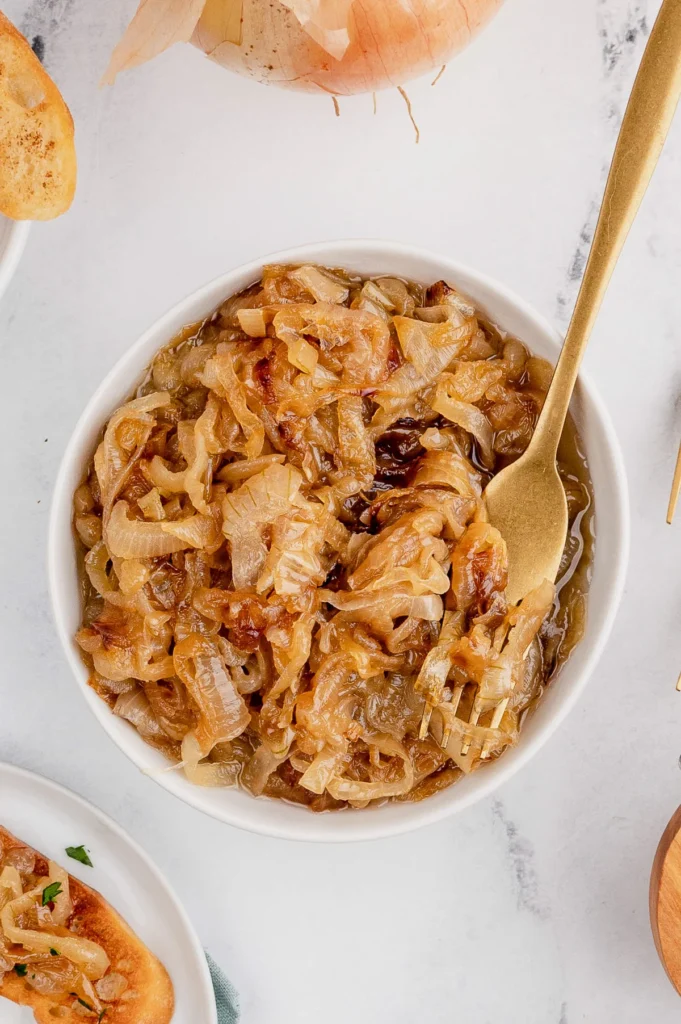
Caramelized onions are onions that have been cooked slowly over low heat until they’re sweet, golden brown, and utterly irresistible. This process breaks down the cell walls of the onions, releasing their natural sugars and creating a depth of flavor that’s impossible to replicate with raw onions.
Basic Techniques for Caramelizing Onions
Caramelizing onions is a simple process that requires patience, attention, and a few basic tools. Here’s a step-by-step guide to get you started:
- Choose the Right Onion: Select a sweet onion variety, such as Vidalia or Maui, which are naturally sweeter than other types of onions.
- Prep the Onions: Peel and slice the onions into thin wedges or dice them into small pieces.
- Sauté the Onions: Heat oil in a pan over medium-low heat and add the onions. Cook for 15-20 minutes, stirring occasionally, until they’re softened and translucent.
The Science Behind Caramelizing Onions
Caramelizing onions involves a complex process of Maillard reactions, where amino acids and reducing sugars combine to form new flavor compounds. This reaction occurs when the onions are cooked slowly over low heat, causing the natural moisture in the onions to evaporate and concentrate the flavors.
Benefits of Caramelizing Onions
Caramelizing onions offers several benefits, including:
- Increased Flavor: Caramelized onions have a depth of flavor that’s impossible to replicate with raw onions.
- Improved Texture: Cooked caramelized onions are tender and easily break down in dishes, adding texture and complexity.
- Nutritional Boost: Cooking onions releases their natural antioxidants and phytochemicals, making them a nutritious addition to your meals.
Recipe 1: Simple Caramelized Onions
This recipe is perfect for beginners who want to start with a basic technique.
Ingredients:
- 2 large onions, sliced
- 2 tablespoons olive oil
- 4 cups water
- 4 tablespoons white vinegar
- 1 tablespoon sugar
Instructions:
- Heat the oil in a pan over medium-low heat.
- Add the sliced onions and cook for 15-20 minutes, stirring occasionally, until they’re softened and translucent.
- Add the water, vinegar, and sugar to the pan.
- Cook for an additional 5-10 minutes, stirring frequently, until the onions are caramelized and golden brown.
Recipe 2: Caramelized Onions with Aceto di Vino Rosso
This recipe adds a touch of elegance to the classic technique.
Ingredients:
- 4 large onions, sliced
- 30g butter
- 3 tablespoons sugar
- 1/3 cup red wine vinegar
Instructions:
- Heat the butter in a pan over medium-low heat.
- Add the sliced onions and cook for 15-20 minutes, stirring occasionally, until they’re softened and translucent.
- Add the sugar and vinegar to the pan.
- Cook for an additional 5-10 minutes, stirring frequently, until the onions are caramelized and golden brown.
Creative Ways to Use Caramelized Onions
Caramelized onions can elevate any dish, from soups and stews to salads and sandwiches. Here are some creative ways to use them:
- Frittatas: Add caramelized onions to your favorite frittata recipe for a sweet and savory twist.
- Salads: Top a green salad with caramelized onions, crumbled blue cheese, and a drizzle of balsamic glaze for a flavorful salad.
- Sandwiches: Use caramelized onions as a topping for burgers, sandwiches, or paninis.
Using Caramelized Onions in Your Cooking
Caramelized onions are a versatile ingredient that can be used in a variety of dishes. Here are some ideas to get you started:
- Soups and Stews: Add caramelized onions to your favorite soups and stews for added depth and flavor.
- Roasted Vegetables: Top roasted vegetables with caramelized onions and a sprinkle of cheese for a flavorful side dish.
- Grilled Meats: Use caramelized onions as a topping for grilled meats, such as burgers or steak.
Calories in Caramelized Onions
Caramelized onions are surprisingly high in calories due to the sugar content. One serving of 100g caramelized onions contains approximately 560 kcal. However, this sweet and savory treat is worth it – after all, life is short, and flavor shouldn’t be sacrificed for the sake of calories.
Conclusion
Caramelizing onions is an art that requires patience, attention, and a few basic tools. With these two simple recipes and some creative applications, you’ll be well on your way to becoming an onion master. So go ahead, take the leap, and indulge in this sweet and savory delight!
Frequently Asked Questions
Q: What is the best type of onion for caramelizing?
A: Sweet onions like Vidalia or Maui are ideal for caramelizing due to their natural sweetness.
Q: How long does it take to caramelize onions?
A: Caramelizing onions can take anywhere from 15-30 minutes, depending on the heat and desired level of doneness.
Q: Can I use raw onions instead of caramelized onions?
A: While raw onions have a pungent flavor, they lack the depth and sweetness of caramelized onions. Try using caramelized onions for an added layer of complexity in your dishes.
Q: Are caramelized onions healthy?
A: Caramelized onions are surprisingly high in calories due to their sugar content. However, when prepared correctly, they can be a nutritious addition to your meals.
Q: Can I caramelize onions in advance?
A: Yes! Cooked caramelized onions can be stored in the fridge for up to a week and reheated as needed.
Tips and Tricks
- Use Low Heat: Cooking onions over low heat is crucial for achieving the perfect caramelization.
- Don’t Overcook: Caramelizing onions can quickly go from perfect to burnt. Stir frequently to avoid overcooking.
- Add Sugar: Adding sugar helps bring out the natural sweetness in onions and balances out their acidity.
Common Mistakes to Avoid
- Overcrowding the Pan: Cook onions in batches if necessary, as overcrowding the pan can lead to uneven cooking.
- Using Too Much Oil: Cooking onions with too much oil can make them greasy and overpowering. Use a moderate amount of oil instead.
- Not Stirring Often: Failing to stir onions regularly can cause them to burn or stick to the bottom of the pan.
Conclusion: The Art of Caramelizing Onions
Caramelizing onions is an art that requires patience, attention, and practice. By following these simple recipes and tips, you’ll be well on your way to becoming an onion master. So go ahead, take the leap, and indulge in this sweet and savory delight!


