
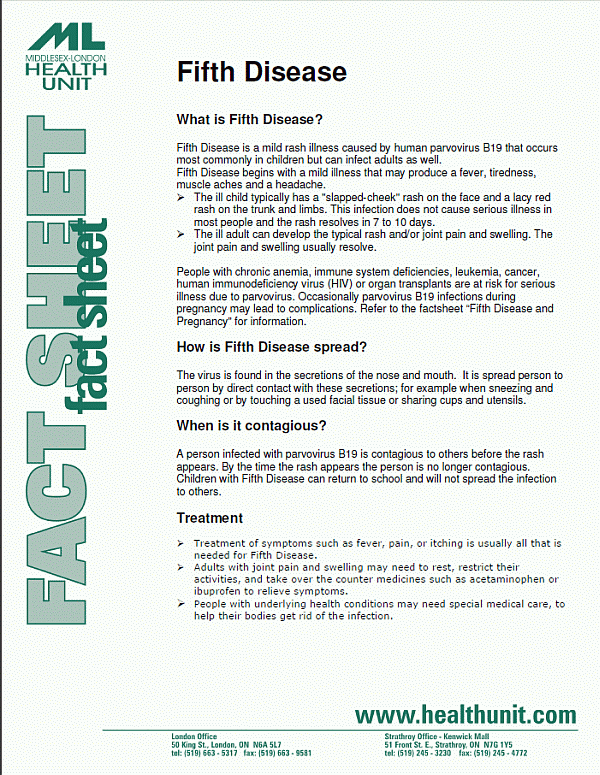
Introduction
Fifth disease, also known as erythema infectiosum, is a common illness that affects children and adolescents. It is characterized by a strong skin irritation, and in some cases, it can be contagious. In this article, we will explore the causes, symptoms, treatment options, and risks associated with fifth disease.
What is Fifth Disease?
Fifth disease is caused by the parvovirus B19. It is a mild illness that typically affects children and adolescents between the ages of 5 and 15. However, adults can also contract this virus, although they are not as likely to develop severe symptoms.
Is Fifth Disease Contagious?
The short answer is yes, fifth disease can be contagious, but only in its early stages. The virus is present in an individual’s system before the characteristic skin rash appears. This means that if you have a weakened immune system or are pregnant, it’s essential to take precautions during this period.
Who is at Risk?
Certain individuals are more likely to contract fifth disease or be at higher risk of complications:
- Pregnant women
- People with weakened immune systems (e.g., those with HIV/AIDS)
- Children and adolescents under the age of 15
Symptoms of Fifth Disease
The symptoms of fifth disease can vary, but common ones include:
- Mild fever
- Headache
- Fatigue
- A distinctive rash on the cheeks, which can appear as a bright red or pink color
This rash typically spreads to other parts of the body, including the trunk, arms, and legs.
Causes of Fifth Disease
The exact cause of fifth disease is not known. However, studies suggest that it may be spread through:
- Direct contact with an infected person
- Contaminated surfaces or objects
- Airborne transmission
Fifth disease can also occur when a pregnant woman passes the virus to her unborn child.
Types of Fifth Disease
There are two types of fifth disease:
- Classic Fifth Disease: This is the most common type, characterized by the distinctive rash on the cheeks and other symptoms.
- Atypical Fifth Disease: This type may not have a characteristic rash or may present with different symptoms.
Complications of Fifth Disease
While fifth disease is generally not life-threatening, certain individuals are at higher risk of complications:
- Pregnant women: Miscarriage, stillbirth, and premature birth
- People with weakened immune systems: Increased risk of infection
- Young children: Risk of anemia and other complications
Diagnosis of Fifth Disease
Fifth disease can be diagnosed based on the following:
- Physical examination
- Medical history
- Laboratory tests (e.g., blood tests to check for parvovirus B19)
If you suspect you have fifth disease, consult your healthcare provider for a proper diagnosis and treatment plan.
Treatment Options for Fifth Disease
In most cases, fifth disease is a self-limiting illness that resolves on its own within 2-4 weeks. However, pregnant women may require more attention:
- Over-the-counter medications (e.g., acetaminophen or ibuprofen) can help alleviate symptoms such as fever and headache
- Antihistamines can be used to reduce itching and discomfort
- In some cases, a doctor may prescribe corticosteroids or antibiotics to prevent complications
Prevention of Fifth Disease
To minimize the risk of contracting fifth disease:
- Practice good hygiene (e.g., washing hands regularly)
- Avoid close contact with infected individuals
- Avoid sharing food and drinks with others
If you have any concerns about fifth disease or suspect you may have contracted it, consult your healthcare provider for personalized advice.
Frequently Asked Questions
Q: What is the typical age range for individuals with fifth disease?
A: Children and adolescents between 5 and 15 years old are most commonly affected by fifth disease.
Q: Can adults contract fifth disease?
A: Yes, adults can also contract the virus, although they are less likely to develop severe symptoms.
Q: Is it safe for pregnant women to be around people with fifth disease?
A: Pregnant women should take precautions during the early stages of the illness due to potential complications.
Q: Can antibiotics or corticosteroids treat fifth disease?
A: In some cases, doctors may prescribe these medications to prevent complications in pregnant women.


