
As we explore the world of natural remedies, one ingredient stands out for its numerous benefits: chlorophyll. This green powerhouse has been linked to everything from improving our health to enhancing our overall well-being. In this article, we’ll delve into the properties and benefits of chlorophyll, exploring how it can be incorporated into our daily lives.
What is Chlorophyll?
Chlorophyll, commonly associated with photosynthesis, is a vital component in plant growth. This green pigment absorbs light, which is then used to synthesize carbohydrates from water and carbon dioxide. With various types of chlorophyll present in nature – A, B, C, and D – each has distinct characteristics.
Where Can We Find Chlorophyll?
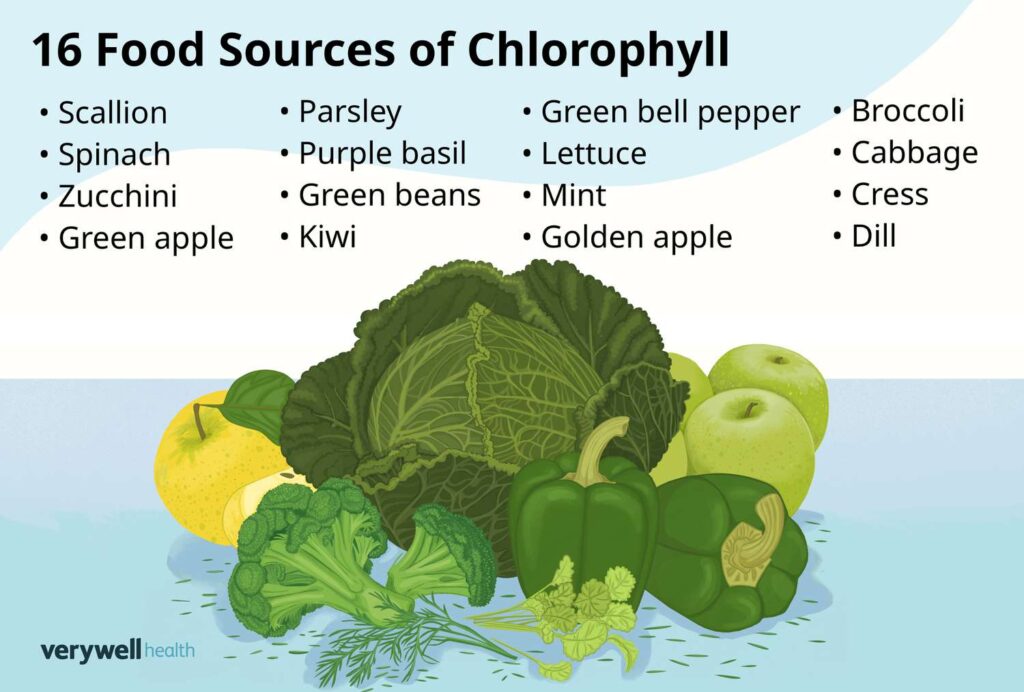
Chlorophyll is abundant in plant-based foods, with leafy greens like spinach, kale, and broccoli being rich sources. Other vegetables such as beets, bok choy, and celery are also high in chlorophyll. Beyond food, the pigment can be found in algae and bacteria.
Properties of Chlorophyll
The most noticeable property of chlorophyll is its vibrant green color, which sets it apart from other pigments. This distinct hue is due to the fact that chlorophyll absorbs blue-violet and red-orange light, allowing green light to pass through. Additionally, the presence of magnesium within the chlorophyll molecule contributes to this characteristic.
Benefits of Chlorophyll
Chlorophyll’s numerous benefits are rooted in its antioxidant properties. This allows it to neutralize free radicals and protect cells from oxidative damage. Some of the key benefits include:
• Antioxidant Properties: Chlorophyll effectively combats free radicals, reducing inflammation and protecting against chronic diseases.
• Feces Purification: By stimulating digestive function, chlorophyll helps eliminate toxins and promote a healthy gut microbiome.
• Menstrual Cycle Regulation: Chlorophyll’s ability to regulate hormonal balances may help alleviate menstrual irregularities.
• Immune System Support: This green pigment enhances immune function by boosting white blood cell production.
• Metabolic Activation: Chlorophyll activates cellular metabolism, potentially leading to improved energy levels and overall well-being.
• Blood Circulation Enhancement: By promoting healthy blood flow, chlorophyll may help prevent conditions like varicose veins.
Chlorophyll Supplements: A Practical Way to Reap its Benefits
Incorporating chlorophyll into your diet can be achieved through food sources or supplements. Capsules and tablets containing chlorophyllin (a derivative of chlorophyll) are also available, offering a convenient way to reap the benefits.
Chlorophyll Gummies: A Novel Approach to Combating Bad Breath
The addition of chlorophyll-infused gummies has become increasingly popular in recent years. These bite-sized mints and candies work by releasing a natural freshening agent that eliminates volatile sulfur compounds responsible for bad breath.
Important Considerations: Interactions and Contraindications
While generally considered safe, it’s essential to be aware of potential interactions with medications or other supplements. Chlorophyll may enhance the effects of sunscreens and light-sensitive medications, potentially leading to increased risk of skin damage. Pregnant women and those breastfeeding should exercise caution when consuming chlorophyll-rich foods or supplements.
Potential Benefits for Specific Health Conditions
Chlorophyll has been studied for its potential benefits in various health conditions, including:
• Cancer Prevention: Chlorophyll’s antioxidant properties may help protect against cancer cell growth.
• Inflammatory Diseases: Chlorophyll’s anti-inflammatory effects may alleviate symptoms associated with arthritis and other inflammatory diseases.
• Digestive Issues: Chlorophyll’s ability to stimulate digestive function may help alleviate symptoms of irritable bowel syndrome (IBS) and other gastrointestinal disorders.
How to Incorporate Chlorophyll into Your Diet
Incorporating chlorophyll-rich foods into your diet is a straightforward way to reap its benefits. Here are some tips:
• Eat Leafy Greens: Spinach, kale, broccoli, and other leafy greens are rich in chlorophyll.
• Add Fresh Herbs: Parsley, cilantro, and basil contain chlorophyll and can be added to salads or used as a garnish.
• Try Chlorophyll-Infused Drinks: Smoothies, juices, and teas containing chlorophyll can provide an easily digestible source of the pigment.
Growing Your Own Chlorophyll-Rich Plants
Not only will growing your own plants allow you to save money on groceries, but it also provides an opportunity to experiment with different varieties and grow methods. Some popular options for home gardeners include:
• Leafy Greens: Lettuce, spinach, kale, and arugula are easy to grow and rich in chlorophyll.
• Herbs: Basil, parsley, cilantro, and dill are all low-maintenance herbs that can be grown indoors or outdoors.
• Chlorophyll-Producing Vegetables: Beets, bok choy, and celery contain high levels of chlorophyll.
Conclusion
In conclusion, chlorophyll is a powerhouse ingredient that deserves attention for its numerous benefits and versatility. By incorporating this green pigment into our diets through food sources or supplements, we can unlock a range of health advantages. Whether you’re looking to boost your energy levels or simply freshen your breath, the potential of chlorophyll is undeniable.
Frequently Asked Questions (FAQs)
- What are the best ways to consume chlorophyll?
Incorporating chlorophyll-rich foods into your diet through salads, smoothies, and other meal preparations can be an effective way to reap its benefits. Supplements and tablets containing chlorophyllin or chlorophyll extract can also provide a convenient alternative.
- How does chlorophyll affect digestive health?
Chlorophyll’s ability to stimulate digestive function may help alleviate symptoms associated with bloating, constipation, and other gastrointestinal issues.
- Can I use chlorophyll as a natural breath freshener?
Yes, the unique properties of chlorophyll make it an effective ingredient for eliminating bad breath. Try incorporating chlorophyll-infused gummies or chewing on fresh parsley leaves to reap its benefits.
- What is the recommended dosage of chlorophyll?
Consult with a healthcare professional before consuming any supplement or taking high doses of chlorophyll. Generally, 100-200 mg per day is considered safe and effective for most individuals.
- Can I consume too much chlorophyll?
While generally considered safe, excessive consumption may lead to gastrointestinal upset. It’s essential to consult with a healthcare professional before increasing your intake significantly.
- How does chlorophyll interact with medications?
Chlorophyll may enhance the effects of sunscreens and light-sensitive medications, potentially leading to increased risk of skin damage. Pregnant women and those breastfeeding should exercise caution when consuming chlorophyll-rich foods or supplements.
- Can I grow my own chlorophyll-rich plants at home?
Yes! Many leafy greens and vegetables can be grown indoors using hydroponics or other methods. Not only will you save money, but you’ll also have access to fresh, nutrient-dense produce year-round.
- Are there any side effects associated with consuming chlorophyll?
While generally considered safe, rare cases of allergic reactions or gastrointestinal upset may occur when consuming high doses of chlorophyll. Consult a healthcare professional if you experience any adverse symptoms.



