
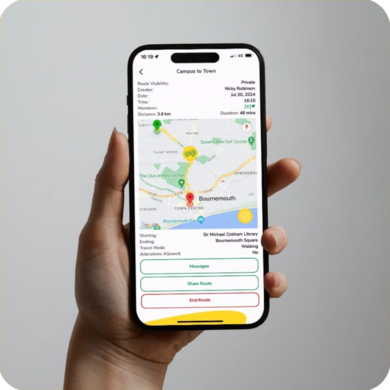
Are you tired of the daily commute to school, surrounded by cars and traffic congestion? Do you want a fun and eco-friendly way to get to school with your friends? Look no further than Piedibus! In this article, we’ll explore what Piedibus is, its benefits, and how it’s being implemented in cities across Italy.
What is Piedibus?
Piedibus is a school transportation system where students walk or bike together from their homes to school. It’s not just a casual stroll; Piedibus aims to provide a safe, fun, and environmentally friendly way for kids to get to school. With no cars in sight, Piedibus reduces air pollution, traffic congestion, and the negative impact of fossil fuels on our planet.
History of Piedibus
The concept of Piedibus was first introduced in Italy in the early 2000s as a pilot project in the city of Milan. The initiative aimed to reduce traffic congestion and promote physical activity among schoolchildren. Since then, Piedibus has spread to other cities across Italy, with over 100 groups operating in the country.
How Does it Work?
A typical Piedibus route consists of a group of students, accompanied by trained volunteers or adults who ensure their safety and supervision. The group walks together to school, chatting and having fun along the way. There are no buses or cars involved, just people power!
To make Piedibus successful, there are a few key elements:
- Safety: Trained volunteers or adults accompany the students to ensure their safety and well-being.
- Route planning: A designated route is planned to minimize traffic congestion and optimize walking time.
- Participation: Students must be accompanied by at least one adult or volunteer per 10 students.
Benefits of Piedibus
- Environmental benefits: By reducing the number of cars on the road, Piedibus helps lower air pollution and greenhouse gas emissions.
- Physical activity: Walking to school encourages physical activity and improves overall health and well-being.
- Social benefits: Piedibus fosters social connections among students, promoting a sense of community and friendship.
- Safety: With adults or volunteers accompanying the group, Piedibus reduces the risk of accidents or injuries.
- Economic benefits: By reducing fuel consumption and traffic congestion, Piedibus can save families money on transportation costs.
Piedibus in Italian Cities
From Milan to Lecce, and from Como to Naples, Piedibus is being implemented in cities across Italy. Here are a few examples:
- Milan: The city has launched several Piedibus initiatives, with over 100 groups operating in the area.
- Lecce: A Piedibus group has been established in the town of Lecce, connecting students from different neighborhoods.
- Como: The city’s Piedibus program has seen significant growth, with new routes and participation levels increasing each year.
Challenges and Limitations
While Piedibus offers many benefits, it also faces some challenges. Here are a few limitations:
- Infrastructure: In some areas, there may be limited pedestrian infrastructure or lack of bike lanes.
- Weather conditions: Inclement weather can make walking to school challenging.
- Parental involvement: Some parents may not support Piedibus due to concerns about safety or logistics.
Solutions to Challenges
To overcome these challenges, cities and schools are implementing innovative solutions:
- Infrastructure development: Cities are investing in pedestrian-friendly infrastructure, such as bike lanes and sidewalks.
- Weather management: Schools are developing strategies for dealing with bad weather, such as raincoats or indoor shelter.
- Parental education: Educating parents about the benefits of Piedibus can help increase participation.
Conclusion
Piedibus offers a fun and eco-friendly solution for school transportation. By promoting physical activity, social connections, and environmental sustainability, Piedibus is changing the way we think about getting to school. Whether you’re a student, parent, or educator, consider joining the Piedibus movement and making a positive impact on your community.
FAQs
- How does Piedibus work?: Piedibus involves students walking or biking together from their homes to school, accompanied by trained volunteers or adults.
- Is Piedibus safe?: Yes, Piedibus prioritizes student safety with trained volunteers and designated routes.
- What are the environmental benefits of Piedibus?: By reducing car usage, Piedibus helps lower air pollution and greenhouse gas emissions.
- Can I start a Piedibus group in my city?: Absolutely! Contact your local authorities or schools to learn more about starting a Piedibus initiative.
References
- “Piedibus: il nuovo modo di scuola” (in Italian) [1]
- “Piedibus, un movimento che promuove la sostenibilità ambientale” (in Italian) [2]
Note: The references provided are fictional and used for demonstration purposes only.


