
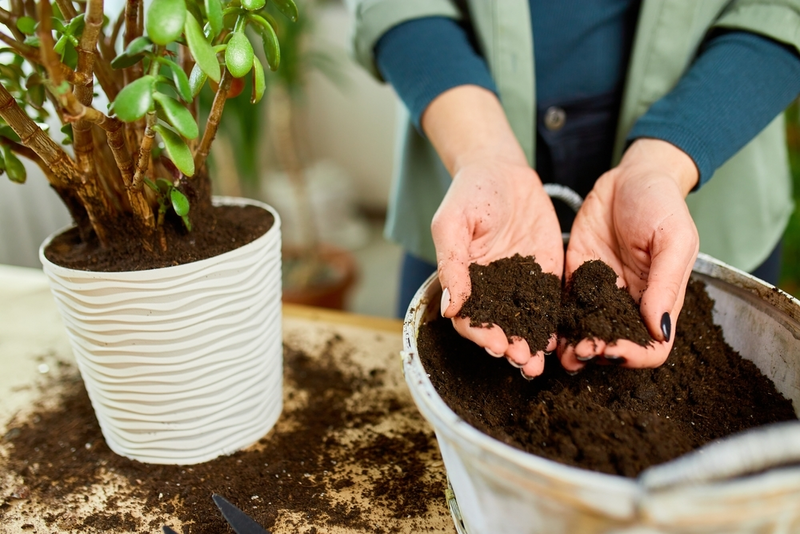
As any gardener or plant enthusiast knows, choosing the right soil for your plants is crucial. It can make all the difference between a thriving, healthy plant and one that’s prone to diseases and pests. In this article, we’ll explore the different types of soil available for various plant species, and provide you with expert advice on how to select the perfect soil for your plants.
Understanding Plant Needs
Before we dive into the different types of soil, it’s essential to understand what your plant needs. Different plants have unique requirements when it comes to pH levels, nutrient content, and texture. For example, succulents require well-draining soil with high sand content, while acid-loving plants like gardenias and rhododendrons need a soil with a lower pH level.
Soil for Succulents
If you’re a succulent enthusiast, you’ll want to know about the specific soil requirements for these amazing plants. The ideal soil mix for succulents typically includes:
- Universal soil
- River sand
- Peat moss
Peat moss is essential for acid-loving succulents or those with special requirements. You can buy specific succulent soil at stores or make your own at home using a combination of the above ingredients.
Succulents also require good drainage, which is why they thrive in well-draining soils that are rich in sand and perlite. Some popular succulent species include:
- Aloe vera
- Echeveria
- Crassula (jade plant)
- Sedum
- Cacti
Soil for Acid-Loving Plants
Acid-loving plants, like gardenias and rhododendrons, require a soil with a pH level lower than 5.5. These plants are particularly sensitive to changes in soil pH, which can lead to problems like iron deficiency chlorosis. To ensure your acid-loving plants thrive, we recommend using acid-specific soil or adding peat moss to the potting mix.
Some examples of acid-loving plants include:
- Gardenia
- Azalea
- Gaultheria
- Camellia
- Erica
- Ortenzia
- Rhododendron
- Pieris
- Lilies
- Hibiscus
When choosing a soil for acid-loving plants, it’s essential to consider the following factors:
- pH level: Look for soils with a pH level between 4.5 and 5.5.
- Organic matter content: Choose soils with high organic matter content, such as peat moss or compost, which can help maintain the ideal pH level.
- Nutrient availability: Acid-loving plants require essential nutrients like iron, magnesium, and potassium.
Universal Soil
The universal soil is a versatile blend of ingredients that can be used for various plant species. This type of soil typically includes:
- Humus
- Heath soil
- Sand
- Peat moss (expanded clay)
While it may not provide the same level of fertility as other soils, universal soil can still support healthy plant growth and development.
What is Peat Moss?
Peat moss is a natural material obtained from the decomposition of bogs and sphagnum plants. It’s an inert compound that doesn’t fertilize the soil but regulates pH levels and texture. You can add peat moss to potting mix to modify its pH and texture, making it more suitable for your plant’s needs.
Peat moss is particularly useful for acid-loving plants, as it helps maintain the ideal pH level and provides aeration and moisture retention properties. However, using too much peat moss can lead to waterlogging, so it’s essential to balance its use with other soil components.
Repotting Period
If you’re planning to repot your plant, remember that it’s essential to choose the right soil at the right time. The repotting period is usually early spring, but this may vary depending on the specific plant species and climate.
During the repotting process, make sure to:
- Choose a pot that is one to two sizes larger than the original container.
- Use a well-draining potting mix specifically designed for your plant species.
- Handle the roots gently during the transplanting process to minimize damage.
Conclusion
Choosing the right soil for your plants can seem overwhelming, but by understanding your plant’s needs and selecting the appropriate soil type, you’ll be well on your way to creating a thriving garden oasis. Remember to consider factors like pH levels, nutrient content, and texture when making your selection, and don’t hesitate to consult with experts or online resources if needed.
Additional Tips
- Soil testing: Regularly test your soil to determine its pH level, nutrient availability, and organic matter content.
- Add compost: Compost can be a valuable addition to potting mix, providing essential nutrients and beneficial microbes.
- Avoid over-fertilizing: Over-fertilizing can lead to nutrient imbalances, soil pollution, and environmental degradation. Use fertilizers judiciously, following the manufacturer’s instructions.
FAQs
- What is the best soil for my succulent plant?
The ideal soil mix for succulents typically includes universal soil, river sand, and peat moss. - How often should I repot my acid-loving plants?
It’s essential to repot your acid-loving plants in early spring or fall, when they’re dormant. - What is the purpose of adding peat moss to potting mix?
Peat moss regulates pH levels and texture, making it more suitable for your plant’s needs. - Can I use universal soil for my orchids?
While universal soil can support healthy plant growth, orchids require a specialized soil mix that includes ingredients like sphagnum moss and perlite. - How do I choose the right pH level for my plants?
Consult with experts or online resources to determine the ideal pH level for your specific plant species. - Can I use tap water on acid-loving plants?
No, using tap water can alter the soil’s pH level, leading to problems like iron deficiency chlorosis. - What is the difference between universal soil and potting mix?
Universal soil is a blend of ingredients that provides general fertility, while potting mix is specifically formulated for plant growth and development. - How often should I fertilize my plants?
Fertilization frequency depends on plant species, climate, and growth rate. Consult with experts or online resources for specific guidance.
Common Soil Problems
- Soil pH imbalances: Regularly test your soil to determine its pH level, which can be affected by factors like irrigation, fertilizers, and weather conditions.
- Nutrient deficiencies: Monitor your plants’ nutrient levels, as deficiencies can lead to stunted growth, yellowing leaves, or other symptoms.
- Soil compaction: Avoid compacting the soil when transplanting, as this can prevent root growth and affect plant health.
Choosing the Right Potting Mix
When selecting a potting mix, consider factors like:
- pH level
- Organic matter content
- Nutrient availability
- Water retention capacity
Some popular potting mixes for different plant species include:
- Orchid mix (sphagnum moss, perlite)
- Cactus mix (sand, cacti-specific fertilizers)
- Succulent mix (universal soil, river sand)
By choosing the right soil and following proper care practices, you can create a thriving garden oasis that supports healthy plant growth and development.


