
Introduction
Sorb apples, also known as sorbe or sorbole, are a type of fruit that belongs to the genus Sorbus. They are prized for their unique flavor and nutritional properties, making them an excellent addition to a healthy diet. However, cultivating these delicious fruits can be a challenging task. In this article, we will delve into the world of sorb apples, exploring their history, cultivation requirements, and how to grow them.
What is Sorbo?
Sorbo refers to the plant genus Sorbus, which includes various species of deciduous trees and shrubs. The most commonly cultivated species for its fruit is Sorbus domestica, also known as the sorbo comune or common sorb apple.
A Brief History
The proverb “col tempo e con la paglia maturano le sorbe” (With time and hay, the sorbes mature) highlights the patience required to grow these fruits. Sorbs are a slow-growing tree that takes years to produce fruit. The process of maturation involves placing the fruit in containers covered with hay, which allows it to develop its characteristic flavor and texture.
Sorbe or Sorbole: What’s the Difference?
The term sorbe refers to the fruit, while sorbole is an archaic term used to describe the same fruit. Sorbes are small, green, and unripe when harvested, but they become sweeter and more flavorful as they mature.
Growing Sorb Apples: A Guide
To grow sorb apples, you’ll need a suitable tree variety, well-draining soil, and adequate sunlight. Here are some tips to get you started:
- Tree Variety: Choose a sorbo comune or common sorb apple tree (Sorbus domestica) that is well-suited for your climate.
- Soil: Sorbs prefer calcareous soils with good drainage. Avoid planting in areas with standing water or where water tends to collect.
- Sunlight: Sorbs require full sun to produce fruit. Choose a location that receives direct sunlight for at least six hours a day.
Caring for Your Sorb Apple Tree
Here are some additional tips to ensure your sorb apple tree thrives:
- Watering: Keep the soil consistently moist, but not waterlogged.
- Fertilization: Apply a balanced fertilizer in early spring to promote healthy growth.
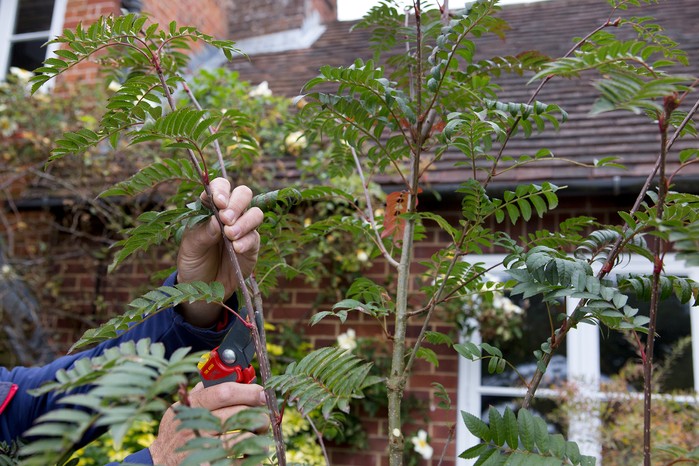
- Pruning: Prune your sorb apple tree annually to maintain its shape and promote fruiting.
Harvesting Sorbes
Sorbes are ready for harvest when they turn yellow or red, depending on the variety. The exact timing depends on factors like weather conditions and soil quality. Here’s how to harvest your sorbes:
- Choose the Right Time: Sorbes typically ripen in late summer or early fall.
- Pick at the Right Stage: Harvest your sorbes when they are fully ripe, but still firm.
- Handle with Care: Handle your harvested sorbes gently to avoid bruising.
Using Sorbes in Recipes
Sorbes can be used in a variety of recipes, from savory dishes to sweet treats. Here are some ideas to get you started:
- Baked Goods: Use sorbes in baked goods like cakes, cookies, and muffins.
- Jams and Preserves: Make homemade jams and preserves using your freshly harvested sorbes.
- Salad Toppings: Add sliced or diced sorbes to your favorite salads for a burst of flavor.
Common Challenges and Solutions
Growing sorb apples can be challenging, but with the right knowledge and techniques, you can overcome these common issues:
- Pests: Keep an eye out for pests like aphids, codling moths, and spider mites. Use organic pest control methods whenever possible.
- Diseases: Regularly inspect your tree for signs of disease, such as fungal infections or bacterial blights. Practice good sanitation and pruning techniques to prevent the spread of disease.
Conclusion
Growing sorb apples can be a rewarding experience, especially when you’re able to enjoy the fruits of your labor. With proper care and attention, you can cultivate delicious sorb apples that will impress family and friends alike. So why not give it a try? Plant a sorbo comune tree today and start enjoying these tasty fruits in no time!
Frequently Asked Questions
- Q: What is the average lifespan of a sorbo comune tree?
A: The average lifespan of a sorbo comune tree is around 50-100 years. - Q: How often should I prune my sorb apple tree?
A: Prune your sorb apple tree annually to maintain its shape and promote fruiting.
Additional Resources
For more information on growing sorb apples, check out the following resources:
- National Gardening Association: The National Gardening Association offers a wealth of information on gardening, including tips on how to grow sorb apples.
- Gardening Knowledge Base: The Gardening Knowledge Base is a comprehensive resource for gardeners, covering topics from pest management to soil care.
Conclusion
Growing sorb apples can be a fun and rewarding experience. By following these tips and techniques, you can cultivate delicious fruit that will impress family and friends alike. So why not give it a try? Plant a sorbo comune tree today and start enjoying the fruits of your labor!


